Step-by-Step Guide to Understanding Emerald Gem Lifecycle 💎
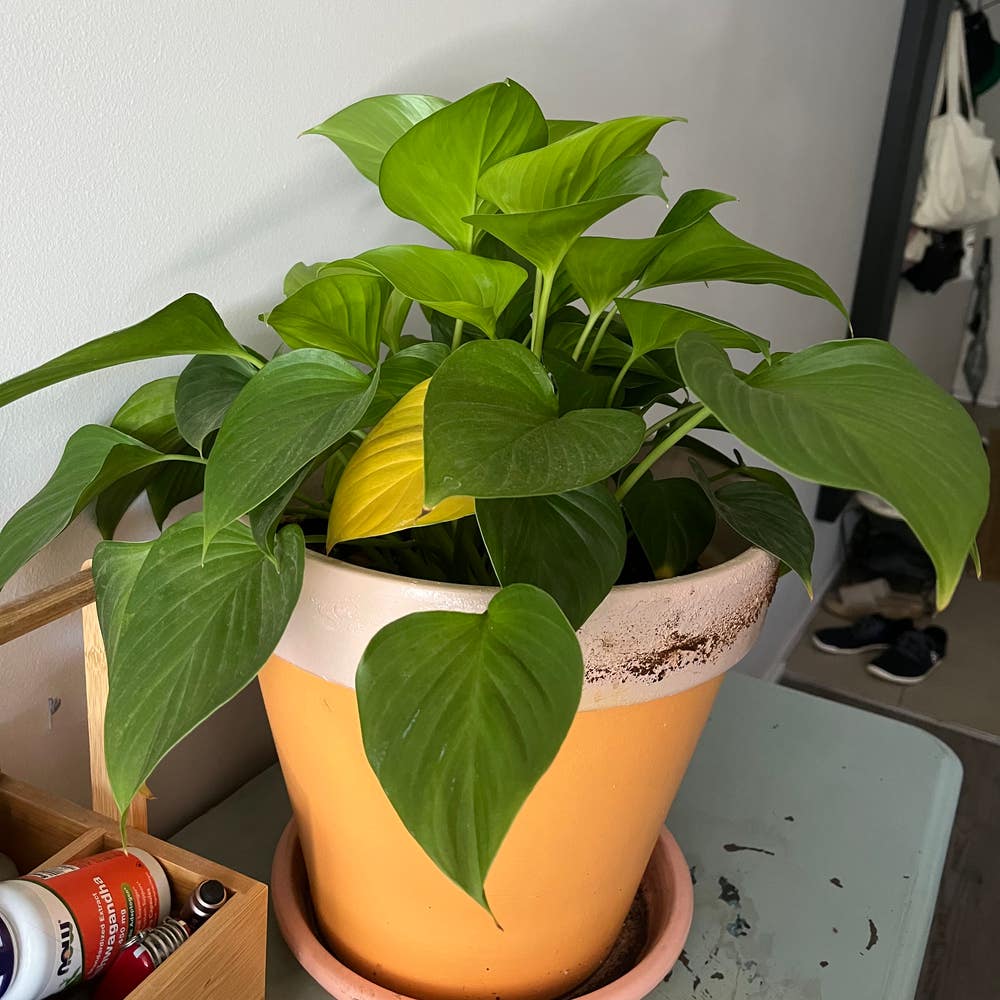
Homalomena Selby
By the Greg Editorial Team
Nov 06, 2024•5 min read
This article was created with the help of AI so we can cover more plants for you. May contain errors. See one? Report it here.
- 🌱 Emerald seeds germinate in 7-14 days under optimal conditions for growth.
- 🌼 The lifecycle includes stages: germination, seedling, vegetative, flowering, and seed production.
- 🌿 Proper care ensures healthy growth and longevity of emerald plants for 3-5 years.
Germination Stage
Duration of Germination 🌱
The germination period for emerald seeds typically spans 7 to 14 days. However, this timeframe can vary based on several factors, including seed quality, moisture levels, and environmental conditions.
Conditions for Successful Germination 🌡️
To ensure successful germination, maintain an ideal temperature range of 20°C to 25°C (68°F to 77°F). The soil should be well-draining and moist, providing the right substrate for growth. Additionally, indirect light is crucial during this stage to prevent damage while promoting healthy sprouting.
Notable Changes During Germination 🌿
As germination progresses, you'll notice the initial sprouting of cotyledons, which are the first leaves to emerge. Alongside this, the development of the root system begins, establishing a strong foundation for anchorage and nutrient uptake, setting the stage for future growth.
Understanding these early stages is vital for nurturing emerald plants effectively. With the right conditions, you'll witness the exciting transformation from seed to sprout, paving the way for the next growth phases.
Seedling Stage
Duration of the Seedling Stage 🌱
The seedling stage typically lasts between 2 to 4 weeks. This period is crucial as the young plants establish themselves and prepare for further growth.
Characteristics of Seedlings 🌿
Seedlings are characterized by their small, tender leaves and developing stems. During this stage, you’ll notice a rapid increase in both height and the number of leaves, signaling healthy growth.
Care Requirements During This Stage 🧑🌾
Proper care is essential for seedlings to thrive.
Watering Needs
Maintain consistent moisture in the soil, but avoid waterlogging, which can harm the delicate roots.
Light Requirements
Provide bright, indirect sunlight to encourage strong growth without overwhelming the young plants.
Nutrient Needs
Limit fertilization during this stage to prevent burning the seedlings. A little goes a long way as they are still developing.
Understanding the seedling stage is vital for nurturing healthy emerald plants. With the right conditions and care, these young plants will transition smoothly into the vegetative growth stage, setting the foundation for a thriving lifecycle.
Vegetative Growth Stage
🌱 Duration of Vegetative Growth
The vegetative growth stage typically lasts between 4 to 8 weeks. This duration can vary based on environmental conditions and care practices.
📈 Growth Patterns and Changes
During this stage, you'll notice significant leaf development. Leaves expand and thicken, providing the plant with the necessary surface area for photosynthesis.
In addition to leaf growth, stem growth becomes more pronounced. Stems increase in height and sturdiness, supporting the plant as it prepares for the next stages of its lifecycle.
🌞 Factors Influencing Vegetative Growth
Light intensity plays a crucial role in vegetative growth. Adequate light is essential for photosynthesis, which fuels the plant's energy needs.
Nutrient availability is another key factor, particularly nitrogen. This nutrient promotes leafy growth, ensuring your emerald gem thrives during this stage.
Environmental conditions, such as temperature and humidity, also significantly impact growth rates. Maintaining optimal conditions can enhance the overall health and vigor of your plant.
Understanding these aspects of the vegetative growth stage is vital for successful cultivation. With the right care, your emerald gem will flourish, setting the stage for the flowering phase ahead.
Flowering Stage
🌼 Duration of Flowering
The flowering stage typically lasts between 2 to 4 weeks. This period is crucial as it marks the transition from vegetative growth to reproductive development.
🌸 Description of the Flowering Process
During flowering, plants undergo significant changes. Buds begin to form, eventually leading to the blooming of flowers, which can vary in color and size.
🐝 Pollination and Its Significance
Pollination is essential for the reproduction of flowering plants. There are two primary methods: self-pollination, where a flower fertilizes itself, and cross-pollination, which involves pollen transfer between different plants.
Pollinators, such as insects and the wind, play a vital role in this process. Their activity not only ensures successful fertilization but also contributes to the genetic diversity of the plant population.
Understanding the flowering stage is key for anyone interested in cultivating emeralds. It sets the stage for the next phase: seed production and maturation, where the cycle continues.
Seed Production and Maturation
Duration of Seed Production 🌱
The seed production phase typically lasts 4-6 weeks after flowering. This period is crucial as it marks the transition from blooming to the formation of seeds.
Changes During Maturation 🌿
During maturation, seeds undergo significant development. You'll notice the formation and ripening of seeds, which is essential for the next generation of plants.
Visual Changes
As seeds mature, the color and texture of seed pods change, signaling that they are ready for harvest. These visual cues are vital for growers to identify the right time for collection.
Overall Lifespan of the Plant ⏳
Emerald plants generally have an average lifespan of 3-5 years under optimal conditions. However, various factors can influence this longevity.
Factors Affecting Longevity
Environmental stressors, such as extreme temperatures or pests, can shorten a plant's life. Proper care practices, including adequate watering and nutrient management, can help extend its lifespan.
Growth Rate and Maturation Time 📈
During peak growth, emerald plants can grow 1-2 inches per week. The timeline from seed to maturity typically spans approximately 3-6 months.
Importance of Understanding Maturation Time
Knowing the maturation time is crucial for effective cultivation planning. It allows growers to anticipate harvest times and manage resources efficiently.
As we delve deeper into the lifecycle of emerald gems, understanding these stages will empower you to nurture them effectively and enjoy their beauty for years to come.
⚠️ Safety First
This content is for general information and may contain errors, omissions, or outdated details. It is not medical, veterinary advice, or an endorsement of therapeutic claims.
Always consult a qualified healthcare professional before using any plant as food, medicine, or supplement.
Never eat any plant (or feed one to pets) without confirming its identity with at least two trusted sources.
If you suspect poisoning, call Poison Control (800) 222-1222, the Pet Poison Helpline (800) 213-6680, or your local emergency service immediately.
Spotted an error? Please report it here.
Master the emerald lifecycle 🌿 with Greg's personalized care tips and reminders, ensuring your plants thrive from seed to stunning maturity!