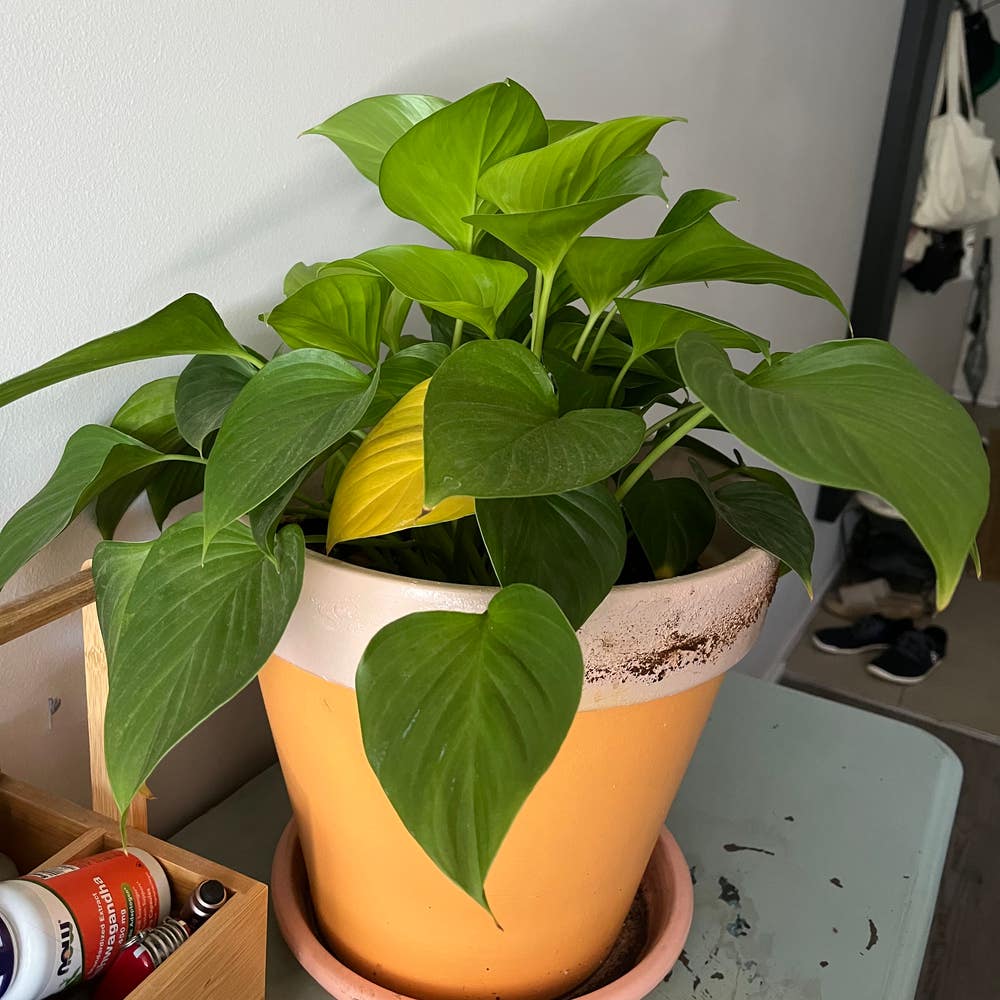
Ultimate Guide to Fixing Leaves Falling Over on Homalomena 🍃
Homalomena Selby
By the Greg Editorial Team
Oct 21, 2024•4 min read
This article was created with the help of AI so we can cover more plants for you. May contain errors. See one? Report it here.
- 🌞 Bright, indirect light is essential; avoid direct sunlight to prevent leaf scorch.
- 💧 Maintain consistent watering; check soil moisture to prevent yellowing and root rot.
- 🌿 Humidity above 60% is crucial; low levels cause brown tips and leaf drop.
Diagnosing the Problem
Assessing Light Conditions 🌞
To keep your Homalomena thriving, it needs bright, indirect light. Direct sunlight can scorch its leaves, so be mindful of its placement.
If your plant is stretching, has pale leaves, or is drooping, it’s likely not getting enough light. These signs indicate that it’s time to reassess its lighting situation.
Evaluating Watering Practices 🚰
Checking soil moisture is crucial for your plant's health. Use a moisture meter or simply stick your finger 1-2 inches deep into the soil to gauge its dampness.
Overwatering can lead to yellowing leaves, mushy stems, and even root rot. Conversely, underwatering will show up as crispy leaf edges, dry soil, and wilting.
Checking Humidity Levels 💧
Humidity plays a significant role in your Homalomena's well-being. Use a hygrometer to ensure humidity levels are above 60% for optimal growth.
If you notice brown tips and edges on the leaves or leaf drop, low humidity could be the culprit. It’s essential to keep an eye on these signs.
Identifying Pest Infestations 🐜
Pests can wreak havoc on your Homalomena. Common offenders include spider mites, aphids, and mealybugs.
Look for sticky residue, webbing, or visible insects on the leaves as indicators of an infestation. Regular checks can help you catch these pests early and prevent further damage.
By diagnosing these issues, you can take the necessary steps to restore your plant's health. Next, we’ll explore effective solutions for leaf dropping.
Solutions for Leaf Dropping
🌞 Adjusting Light Exposure
To help your Homalomena thrive, start by moving it to a brighter location with filtered light. This adjustment can significantly improve its overall health and vitality.
Rotating the plant regularly ensures that all sides receive even light exposure. This simple practice can prevent uneven growth and promote a fuller appearance.
💧 Modifying Watering Schedule
Establishing a consistent watering routine is crucial. Water your plant when the top 1-2 inches of soil feel dry to the touch.
When you do water, make sure to do so thoroughly until it drains from the bottom. This technique helps prevent root rot and keeps your plant hydrated.
🌫️ Increasing Humidity
Boosting humidity is essential for your Homalomena's well-being. Consider using a humidifier or placing a pebble tray filled with water nearby.
Another effective method is grouping your Homalomena with other humidity-loving plants. This creates a microenvironment that enhances moisture levels.
🐛 Treating Pests and Diseases
If you suspect a pest problem, opt for organic pest control methods like neem oil or insecticidal soap. These treatments are effective and safer for your plant.
Regular inspections are key; check for pests weekly to catch any infestations early. Staying proactive can save your plant from significant damage.
By implementing these solutions, you can effectively address leaf dropping and promote a healthier, more vibrant Homalomena. Next, let’s explore some preventative measures to keep your plant thriving long-term.
Preventative Measures
Best Practices for Homalomena Care 🌱
Regularly checking soil moisture is crucial for your Homalomena's health. Adjust your watering accordingly to ensure the plant thrives.
Providing bright, indirect light is essential. Avoid drafts, as they can stress your plant and lead to leaf dropping.
Seasonal Care Adjustments 🌦️
In winter, it's important to reduce your watering frequency. Monitor humidity levels closely, as dry indoor air can be detrimental.
During summer, increase both watering and humidity. Your Homalomena will appreciate the extra care as temperatures rise.
Choosing the Right Soil and Pot 🪴
Opt for a well-draining potting mix enriched with organic matter. This will help maintain moisture without waterlogging the roots.
Ensure your pots have drainage holes. This simple step prevents excess water from accumulating, safeguarding your plant's health.
By following these preventative measures, you can create a nurturing environment for your Homalomena. This sets the stage for a thriving plant, ready to tackle any challenges ahead.
Monitoring Plant Health
Signs of Recovery 🌱
When your Homalomena starts to bounce back, look for new growth, firm leaves, and vibrant color. These are all positive indicators that your plant is on the mend, typically within a 2-4 week timeframe after making necessary adjustments.
Regular Maintenance Tips 🧹
To keep your plant thriving, consider monthly fertilization with a balanced fertilizer during the growing season. Additionally, make it a habit to inspect leaves and soil moisture bi-weekly to catch any issues early.
When to Seek Professional Help 🩺
If you notice continuous leaf drop despite your best care efforts, it might be time to consult a plant specialist. This is especially important if you're unsure about pest identification or treatment options, as professional guidance can save your plant from further distress.
By staying vigilant and proactive, you can ensure your Homalomena remains healthy and vibrant. Now, let’s explore some preventative measures to keep your plant thriving long-term.
⚠️ Safety First
This content is for general information and may contain errors, omissions, or outdated details. It is not medical, veterinary advice, or an endorsement of therapeutic claims.
Always consult a qualified healthcare professional before using any plant as food, medicine, or supplement.
Never eat any plant (or feed one to pets) without confirming its identity with at least two trusted sources.
If you suspect poisoning, call Poison Control (800) 222-1222, the Pet Poison Helpline (800) 213-6680, or your local emergency service immediately.
Spotted an error? Please report it here.
Keep your Homalomena thriving 🌿 by using Greg's tailored reminders for light, watering, and humidity, ensuring those leaves stay vibrant and healthy!