🍃 Best Tips for Dropping Leaves on Homalomena
Homalomena Selby
By the Greg Editorial Team
Oct 21, 2024•6 min read
This article was created with the help of AI so we can cover more plants for you. May contain errors. See one? Report it here.
- 🌱 Homalomena needs humidity (50-70%) and stable temperatures (65°F-80°F) to thrive.
- 💧 Overwatering and underwatering cause leaf drop; adjust watering based on season and humidity.
- 🐛 Regularly check for pests like spider mites to prevent significant leaf loss.
Causes of Leaf Drop
🌪️ Environmental Stress Factors
Homalomena plants can be sensitive to their surroundings. Common stressors include sudden changes in light exposure, low humidity levels, and drafts from air conditioning or heating.
💧 Watering Issues
Overwatering Symptoms
Overwatering is a frequent culprit behind leaf drop. Signs include yellowing leaves, mushy stems, and root rot, highlighting the importance of maintaining proper soil moisture.
🚰 Underwatering Effects
Conversely, underwatering can lead to wilting leaves, crispy edges, and eventual leaf drop. Aim to water your Homalomena every 1-2 weeks, adjusting based on humidity levels.
🐛 Pest Infestations and Diseases
Pests like spider mites and mealybugs can wreak havoc on your plant. Look for symptoms such as discolored leaves, webbing, and sticky residue, along with potential fungal infections that may also cause leaf drop.
🥦 Nutrient Deficiencies
Nutrient deficiencies can significantly impact your Homalomena's health. Key nutrients include nitrogen, potassium, and magnesium, with symptoms like yellowing leaves and stunted growth indicating a need for replenishment.
🌡️ Temperature Fluctuations
Maintaining an ideal temperature range of 65°F to 80°F (18°C to 27°C) is crucial. Extreme temperature fluctuations can adversely affect leaf health, leading to stress and potential leaf drop.
Understanding these causes can help you take proactive measures to keep your Homalomena thriving. Next, we'll explore how to diagnose leaf drop effectively.
Diagnosing Leaf Drop
🕵️♂️ Identifying Symptoms
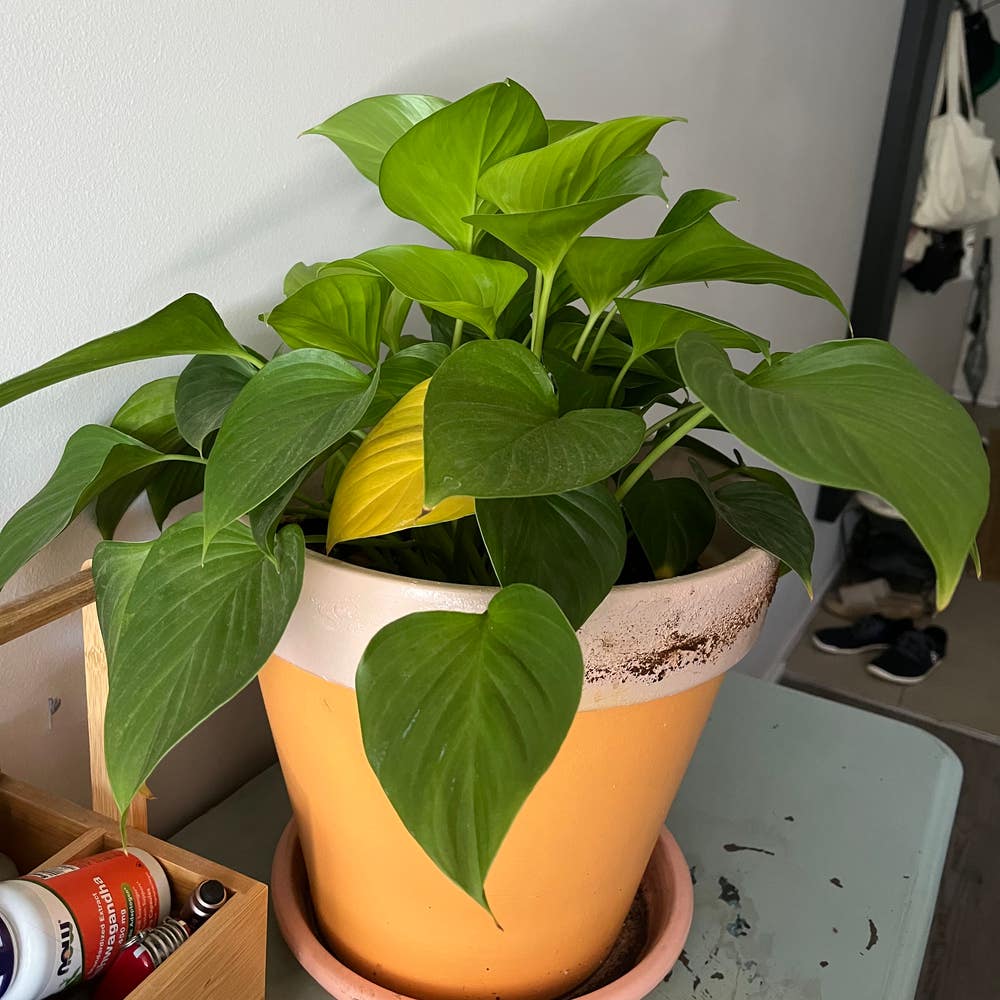
When your Homalomena starts dropping leaves, the first step is to look for visual signs. Yellowing, wilting, and browning of leaf edges are common indicators that something is off.
🌬️ Assessing Environmental Conditions
Next, check the humidity levels in your space. Homalomena thrives in a humidity range of 50-70%, so ensure your environment meets this requirement.
💡 Evaluating Light Exposure
Light exposure is crucial for healthy growth. Bright, indirect light is ideal; too much direct sunlight can scorch the leaves, while too little can stunt growth.
🐛 Checking for Pests and Diseases
Inspect your plant closely for pests. Look for spider mites or mealybugs, which can cause significant damage, and watch for signs of disease like fungal spots or unusual growths.
💧 Evaluating Watering Practices
Watering practices can also contribute to leaf drop. Test the soil moisture by sticking your finger about an inch deep; if it feels dry, it’s time to water.
📏 Importance of Using a Moisture Meter
Using a moisture meter can provide a more accurate reading of soil moisture levels. This tool helps you avoid both overwatering and underwatering, ensuring your Homalomena stays healthy.
By carefully diagnosing these factors, you can pinpoint the cause of leaf drop and take appropriate action. Next, let’s explore effective solutions to revive your plant and prevent future issues.
Solutions for Leaf Drop
🌊 Adjusting Watering Techniques
To combat leaf drop in your Homalomena, start by adjusting your watering techniques. Water thoroughly until it drains, ensuring the roots receive adequate moisture without becoming waterlogged.
Frequency is key; adjust your watering schedule based on the season and humidity levels. During warmer months, you might need to water more frequently, while cooler months may require less.
💧 Improving Humidity Levels
Humidity plays a crucial role in the health of your Homalomena. Aim for an ideal humidity range of 50-70% to keep your plant thriving.
To boost humidity, consider using humidifiers, pebble trays, or misting your plant regularly. These methods can create a more favorable environment, reducing stress and preventing leaf drop.
🐛 Treating Pest Infestations
Pests can wreak havoc on your Homalomena, leading to unsightly leaf drop. Common culprits include spider mites and mealybugs, so it's essential to identify them early.
For spider mites, neem oil is an effective treatment, while insecticidal soap works wonders against mealybugs. Regular inspections will help you catch these pests before they cause significant damage.
🌱 Fertilization Tips for Healthy Growth
Fertilization is vital for maintaining healthy growth and preventing leaf drop. Use a balanced NPK fertilizer to provide essential nutrients.
Aim to fertilize every 4-6 weeks during the growing season. This will support robust growth and help your plant recover from any stress it may have experienced.
🌡️ Temperature Control Methods
Temperature fluctuations can also contribute to leaf drop. Maintain an ideal temperature range of 65°F to 80°F (18°C to 27°C) to keep your Homalomena happy.
Avoid drafts and extreme heat, as these conditions can stress your plant. Using thermometers to monitor room temperature can help you maintain a stable environment.
By implementing these solutions, you can effectively address leaf drop in your Homalomena and foster a thriving plant. Next, let’s explore how to prevent future leaf drop with best care practices.
Preventing Future Leaf Drop
🌱 Best Practices for Care
To keep your Homalomena thriving, establish a routine for regular watering and humidity checks. Consistent care helps prevent stress that can lead to leaf drop.
Proper light exposure is crucial as well. Aim for bright, indirect light to ensure your plant gets the energy it needs without burning its leaves.
🔍 Regular Monitoring of Plant Health
Conduct weekly inspections to catch any signs of pests or changes in leaf condition early. This proactive approach can save your plant from serious issues down the line.
Consider keeping a care journal to track changes and observations. Documenting your plant's health can help you identify patterns and adjust your care accordingly.
🍂 Seasonal Care Adjustments
Adjust your care practices with the changing seasons. For instance, you may need to increase humidity during dry winter months or reduce watering in cooler temperatures.
Repotting every 1-2 years is also essential. This refreshes the soil and provides your Homalomena with new nutrients, promoting healthy growth.
🪴 Choosing the Right Potting Mix
Select a well-draining potting mix rich in organic matter. This type of soil retains moisture without becoming waterlogged, which is vital for your plant's health.
A good mix supports root development and overall vitality. It’s a simple yet effective way to prevent future leaf drop.
🚰 Importance of Proper Drainage
Ensure your pots have drainage holes to prevent water accumulation. Standing water can lead to root rot, a common issue for Homalomena.
Using a layer of gravel or perlite at the bottom of pots can enhance drainage. This small step can make a significant difference in maintaining healthy roots.
By following these preventive measures, you can create a nurturing environment for your Homalomena, ensuring it remains vibrant and lush. Next, let’s explore how to diagnose leaf drop effectively.
⚠️ Safety First
This content is for general information and may contain errors, omissions, or outdated details. It is not medical, veterinary advice, or an endorsement of therapeutic claims.
Always consult a qualified healthcare professional before using any plant as food, medicine, or supplement.
Never eat any plant (or feed one to pets) without confirming its identity with at least two trusted sources.
If you suspect poisoning, call Poison Control (800) 222-1222, the Pet Poison Helpline (800) 213-6680, or your local emergency service immediately.
Spotted an error? Please report it here.
Keep your Homalomena thriving 🌱 by using Greg's tailored reminders for humidity and watering, ensuring it stays healthy and vibrant while avoiding leaf drop!