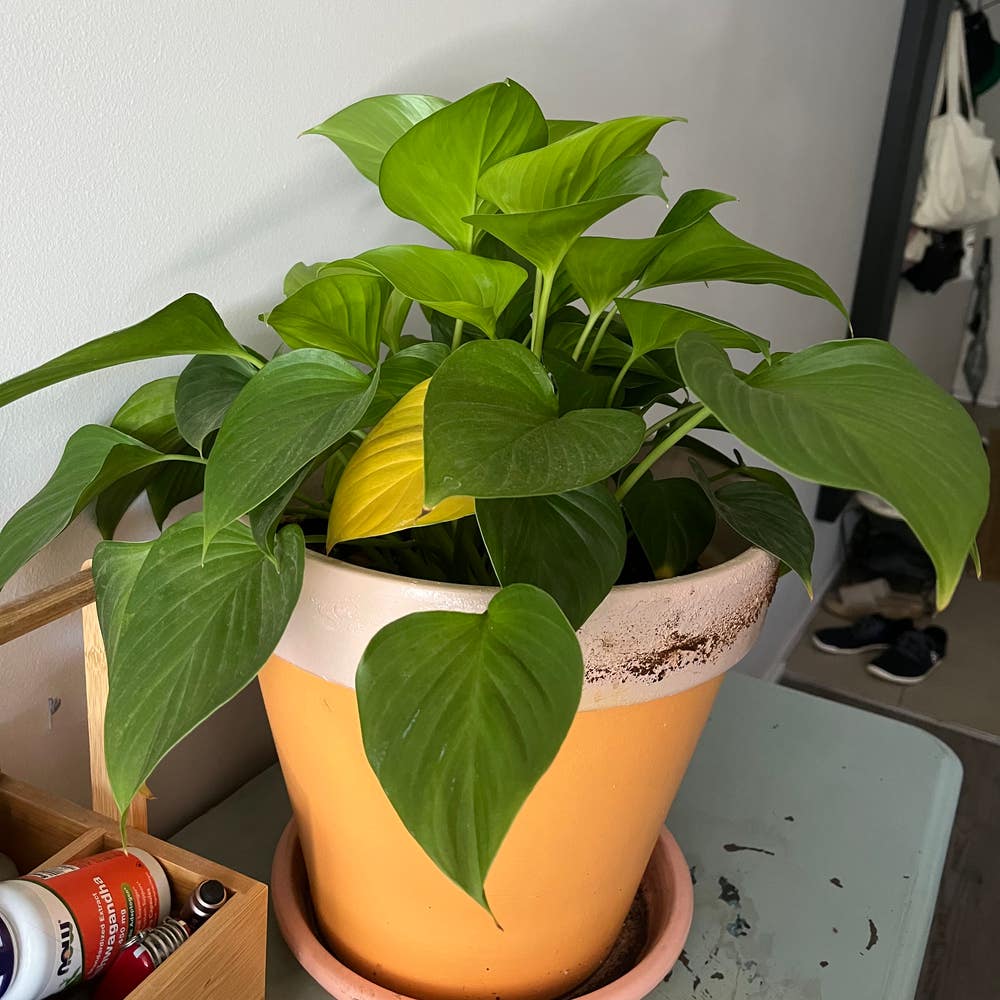
🔍 Understanding Black Spots on Your Emerald Gem Leaves
Homalomena Selby
By the Greg Editorial Team
Nov 06, 2024•7 min read
This article was created with the help of AI so we can cover more plants for you. May contain errors. See one? Report it here.
- 🌱 Black spots on Emerald Gem leaves arise from fungal, bacterial, or pest issues.
- 💧 Overwatering and poor drainage often lead to black spots; adjust watering habits.
- 🌞 Ensure bright, indirect light to prevent stress and dark spots on leaves.
Common Causes of Black Spots on Leaves
🦠 Fungal Infections
Fungal infections are a primary culprit behind black spots on your Emerald Gem leaves. You can identify these infections by looking for dark, irregular spots that may expand over time.
High humidity and poor air circulation create the perfect environment for fungi to thrive. If your plant is in a damp area with little airflow, it’s more susceptible to these infections.
🦠 Bacterial Infections
Bacterial leaf spots also contribute to the unsightly black spots on leaves. These symptoms often present as water-soaked spots that can eventually turn black.
Bacteria spread easily through water splashes and thrive in high humidity. Keeping your plant's environment in check can help mitigate these issues.
🐜 Pest Infestations
Pests can lead to black spots, too, with spider mites and scale insects being the most common offenders. Spider mites leave behind webbing and cause stippled leaves, while scale insects appear as small, dark bumps on the foliage.
These pests not only damage the leaves but can also transmit diseases. Regular monitoring and prompt action can help protect your Emerald Gem from these unwanted visitors.
Understanding these common causes is crucial for maintaining the health of your Emerald Gem. By identifying the source of the black spots, you can take effective steps to treat and prevent further issues.
Diagnosing Black Spots
🌑 Identifying the Type of Black Spots
When it comes to diagnosing black spots on your Emerald Gem leaves, the first step is to examine their size and shape. You might notice small, pinpoint spots that could indicate a minor issue, or larger, irregular patches that suggest a more serious problem.
Color variations also play a crucial role in diagnosis. Black spots might have brown or yellow edges, hinting at different underlying issues that need addressing.
📍 Location on the Leaf
Next, consider where the spots are located on the leaf. Spots on the upper surface often point to fungal infections, while those on the lower surface may indicate pest problems.
The pattern of the spots is equally important. Randomly scattered spots could suggest a mild issue, while clustered spots might indicate a more severe infestation or infection.
🌧️ Environmental Factors Contributing to Black Spots
Overwatering
One of the most common culprits behind black spots is overwatering. Symptoms include yellowing leaves and mushy stems, which signal that your plant is struggling.
Recognizing overwatering as a primary cause is essential for effective treatment. Adjusting your watering habits can significantly improve your plant's health.
Poor Drainage
Soil drainage plays a vital role in the overall health of your Emerald Gem. If water pools on the surface or the soil dries slowly, these are signs of poor drainage.
Improving drainage can help prevent black spots and promote healthier growth. Consider using a well-draining potting mix to support your plant's needs.
💡 Low Light Conditions
Insufficient light can also lead to black spots on leaves. When your plant doesn't receive enough light, it may stretch towards the light source, resulting in stress and dark spots.
Watch for signs of low light, such as elongated stems and darkened leaves. Ensuring your Emerald Gem gets bright, indirect light can help maintain its vibrant health.
By understanding these diagnostic factors, you can take proactive steps to address black spots on your Emerald Gem leaves. Next, let’s explore effective treatment options to restore your plant’s health.
Treatment Options
🌟 Immediate Actions to Take
Removing Affected Leaves
Sanitation is key when dealing with black spots on your Emerald Gem leaves. Removing affected leaves promptly helps prevent the spread of disease to healthy foliage.
To do this effectively, use clean, sharp scissors. This minimizes damage to the plant and reduces the risk of introducing pathogens.
Adjusting Watering Schedule
Proper watering is crucial for maintaining leaf health. Aim to water your plant only when the top inch of soil feels dry to the touch.
Look for signs that indicate when to water, such as drooping leaves or a dry, cracked soil surface. Adjusting your watering schedule can significantly improve your plant's overall condition.
🧪 Recommended Treatments
Fungicides for Fungal Infections
If fungal infections are suspected, fungicides can be an effective treatment. You can choose between chemical and organic options based on your preferences and plant needs.
Application methods vary; you can either spray the leaves directly or use a soil drench. Always follow the instructions on the product label for the best results.
🌱 Natural Remedies for Bacterial Issues
For bacterial problems, consider homemade solutions like baking soda spray or neem oil. These remedies can be effective and are often safer for both the plant and the environment.
Apply these treatments regularly, typically every 7 to 14 days, to keep bacterial issues at bay. Consistency is key to seeing positive results.
By addressing the immediate issues and applying the right treatments, you can help your Emerald Gem recover and thrive. Next, let’s explore prevention strategies to keep your plant healthy in the long run.
Prevention Strategies
Best Practices for Watering 🌊
To keep your Emerald Gem healthy, adopt the soak and dry method for watering. This technique ensures that the roots receive adequate moisture while preventing overwatering, which can lead to black spots.
Always check the soil moisture before watering. Stick your finger about an inch into the soil; if it feels dry, it's time to water. This simple step can save your plant from stress and disease.
Importance of Proper Soil and Pot Selection 🪴
Choosing the right soil is crucial for your plant's health. A well-draining potting mix allows excess water to escape, reducing the risk of root rot and black spots.
Pot selection matters too. Ensure your pot has drainage holes and is the right size for your plant. A pot that's too small can restrict root growth, while one that's too large may retain too much moisture.
Maintaining Optimal Humidity and Light Conditions ☀️
Emerald Gems thrive in humidity levels between 40-60%. If your home is too dry, consider using a humidifier or placing a tray of water near your plant to maintain the right moisture balance.
Light conditions also play a vital role. Your Emerald Gem prefers bright, indirect light for optimal growth. Too much direct sunlight can scorch the leaves, while too little light can lead to stress and black spots.
By following these prevention strategies, you can create a nurturing environment for your Emerald Gem, ensuring it remains vibrant and healthy. Next, we’ll explore long-term care techniques to keep your plant thriving year-round.
Long-term Care for Emerald Gem
🕵️ Regular Monitoring for Signs of Stress
Routine checks on your Emerald Gem's leaves are crucial for early detection of issues. Keep an eye out for yellowing, wilting, and those pesky black spots that can signal underlying problems.
🌦️ Seasonal Care Adjustments
As the seasons change, so should your care routine. Adjust your watering and light exposure to match the plant's needs, ensuring it thrives throughout the year.
🌱 Fertilization and Nutrient Management
A solid fertilization schedule can make all the difference. Aim to fertilize every 4-6 weeks during the growing season using a balanced NPK fertilizer designed for houseplants.
⚠️ Recognizing Nutrient Deficiencies
Be vigilant for signs of nutrient deficiencies, such as stunted growth or discoloration of leaves. Addressing these issues promptly can help your Emerald Gem flourish.
By staying proactive in your care routine, you can ensure your Emerald Gem remains healthy and vibrant. Next, let’s explore effective prevention strategies to keep those black spots at bay.
⚠️ Safety First
This content is for general information and may contain errors, omissions, or outdated details. It is not medical, veterinary advice, or an endorsement of therapeutic claims.
Always consult a qualified healthcare professional before using any plant as food, medicine, or supplement.
Never eat any plant (or feed one to pets) without confirming its identity with at least two trusted sources.
If you suspect poisoning, call Poison Control (800) 222-1222, the Pet Poison Helpline (800) 213-6680, or your local emergency service immediately.
Spotted an error? Please report it here.
Combat black spots on your Emerald Gem leaves and keep it thriving 🌿 with Greg's tailored care reminders and expert tips that ensure your plant stays healthy and vibrant!