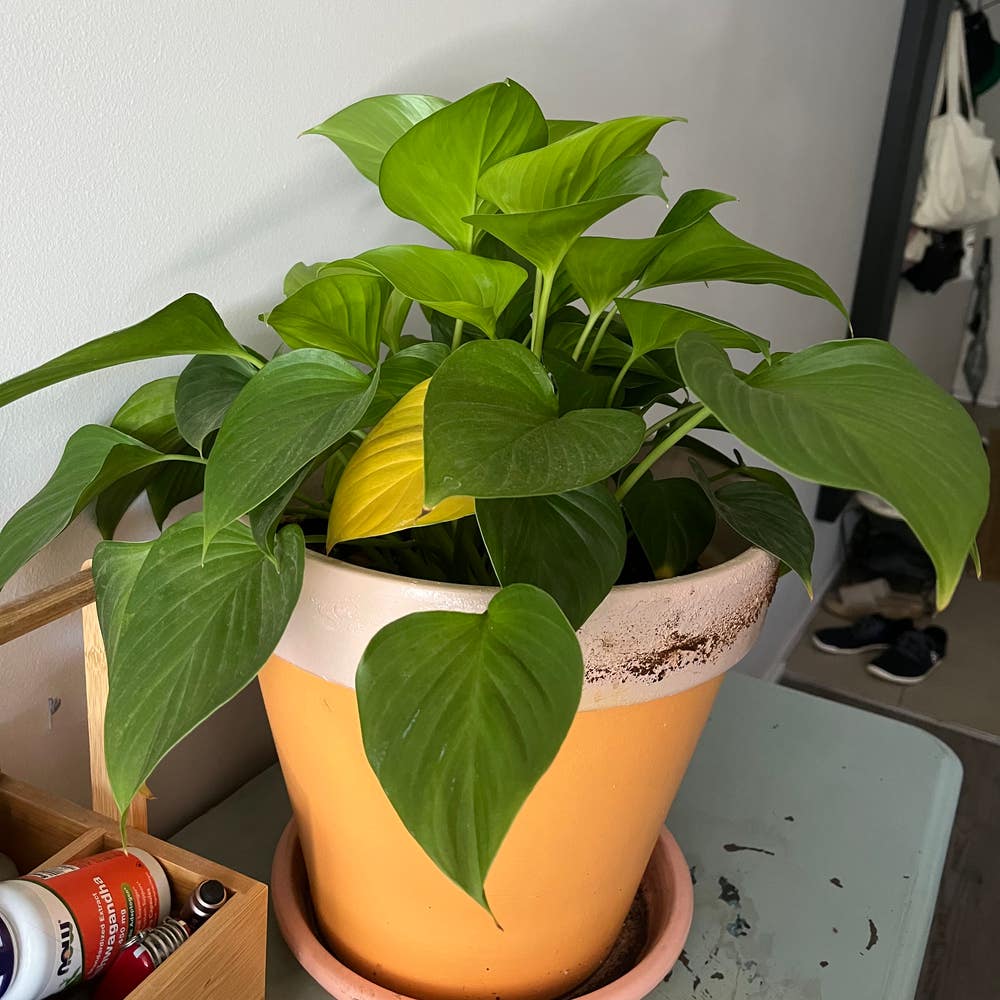
Homalomena Zones
Homalomena Selby
By the Greg Editorial Team
Oct 21, 2024•4 min read
This article was created with the help of AI so we can cover more plants for you. May contain errors. See one? Report it here.
- 🌡️ Homalomena thrives between 60°F to 85°F; avoid frost below 50°F.
- 💧 High humidity (50%+) is essential for healthy Homalomena growth.
- 🌞 Indirect light is best; harsh sunlight can stress your Homalomena.
Temperature Tolerance
❄️ Cold Tolerance Specifics
Homalomena plants are particularly sensitive to frost. Temperatures below 50°F (10°C) can inflict serious damage, making it crucial to monitor conditions closely.
For optimal health, these plants thrive best when temperatures remain above 60°F (15°C). Keeping them in a warm environment is essential for their growth and vitality.
🔥 Heat Tolerance Specifics
When it comes to heat, Homalomena prefers a cozy range of 60°F to 85°F (15°C to 29°C). This range supports robust growth and vibrant foliage.
However, excessive heat can be detrimental. If temperatures soar above 90°F (32°C) without sufficient humidity, you may notice signs of wilting and stress in your plant.
Understanding these temperature tolerances is vital for successful cultivation. With the right conditions, your Homalomena can flourish beautifully.
Next, we’ll explore the ideal growing conditions for these tropical beauties.
Ideal Growing Conditions
🌟 Examples of Suitable US States
When it comes to growing Homalomena, certain states shine as ideal environments.
- Florida boasts a warm, humid climate that tropical plants absolutely love.
- California, particularly in its southern regions, offers a Mediterranean climate with mild winters, perfect for these plants to thrive.
- Texas, especially in the Southeast, provides warm temperatures and humidity levels that are conducive to robust growth.
🔑 Contributing Factors
Several key factors contribute to the successful cultivation of Homalomena.
💧 Humidity
Maintaining high humidity levels—ideally 50% or higher—is crucial. This moisture helps the plant flourish and prevents issues like leaf browning.
🌡️ Temperature
Consistent warmth throughout the year is essential. Homalomena thrives best in temperatures ranging from 60°F to 85°F (15°C to 29°C).
💡 Light
These plants prefer indirect light, steering clear of harsh direct sunlight. Too much sun can lead to stress and damage, so finding that sweet spot is vital.
Understanding these ideal growing conditions will set you up for success with your Homalomena. With the right environment, you can enjoy a lush, vibrant plant that brings a touch of the tropics to your home.
Next, let’s explore the fascinating concept of microclimates and how they can impact your plant's health and growth.
Microclimates and Their Impact
Definition and Benefits 🌱
Microclimates are localized climate conditions that can significantly differ from the surrounding areas. They create unique environments that can protect plants like Homalomena from frost, boost humidity, and moderate temperature extremes.
Advantages of Microclimates 🌤️
- Frost Protection: Microclimates can shield plants from cold snaps, allowing for healthier growth.
- Increased Humidity: These areas often retain moisture better, which is crucial for tropical plants.
- Temperature Moderation: They help maintain a more stable temperature, reducing stress on plants.
Examples in the US 🗺️
Coastal regions are prime examples of beneficial microclimates. They typically enjoy milder temperatures and higher humidity, creating an ideal setting for tropical plants.
Urban environments also showcase unique microclimates. Heat islands in cities can elevate temperatures, providing a warmer habitat that may benefit certain plants.
Understanding microclimates is essential for optimizing the growth of Homalomena. By leveraging these localized conditions, you can create a thriving environment for your plants.
As we explore the next section, we'll dive into state-level suitability analysis, identifying where Homalomena can flourish best.
State-Level Suitability Analysis
🌟 Suitable States
When it comes to growing Homalomena, certain states shine brighter than others. Florida, California, Texas, Louisiana, and Hawaii all fall within USDA zones 9-11, offering the warm temperatures and high humidity that these tropical plants crave.
These states boast minimal frost, creating an ideal environment for Homalomena to thrive. The consistent warmth and moisture levels make them perfect for nurturing these beautiful plants.
❄️ Unsuitable States
On the flip side, states like North Dakota, Minnesota, and Montana are not friendly to Homalomena. They experience harsh winters, with temperatures often plummeting below 50°F (10°C).
Frost can be a significant issue here, with the first frost typically occurring in late September to early October and the last frost not arriving until late May. This extended cold period can severely hinder the growth of Homalomena.
📅 Frost Dates Relevance
Understanding frost dates is crucial for anyone looking to grow Homalomena outdoors. Knowing when the first and last frosts occur helps in planning planting schedules effectively.
Frost dates directly impact the viability of growing Homalomena in various states. By aligning planting times with these dates, you can ensure your plants have the best chance to flourish.
With this knowledge in hand, you're better equipped to choose the right location for your Homalomena, setting the stage for a thriving indoor or outdoor garden.
⚠️ Safety First
This content is for general information and may contain errors, omissions, or outdated details. It is not medical, veterinary advice, or an endorsement of therapeutic claims.
Always consult a qualified healthcare professional before using any plant as food, medicine, or supplement.
Never eat any plant (or feed one to pets) without confirming its identity with at least two trusted sources.
If you suspect poisoning, call Poison Control (800) 222-1222, the Pet Poison Helpline (800) 213-6680, or your local emergency service immediately.
Spotted an error? Please report it here.
Keep your Homalomena lush and thriving 🌱 by using Greg's tailored reminders for optimal warmth and humidity, ensuring a tropical paradise in your home!