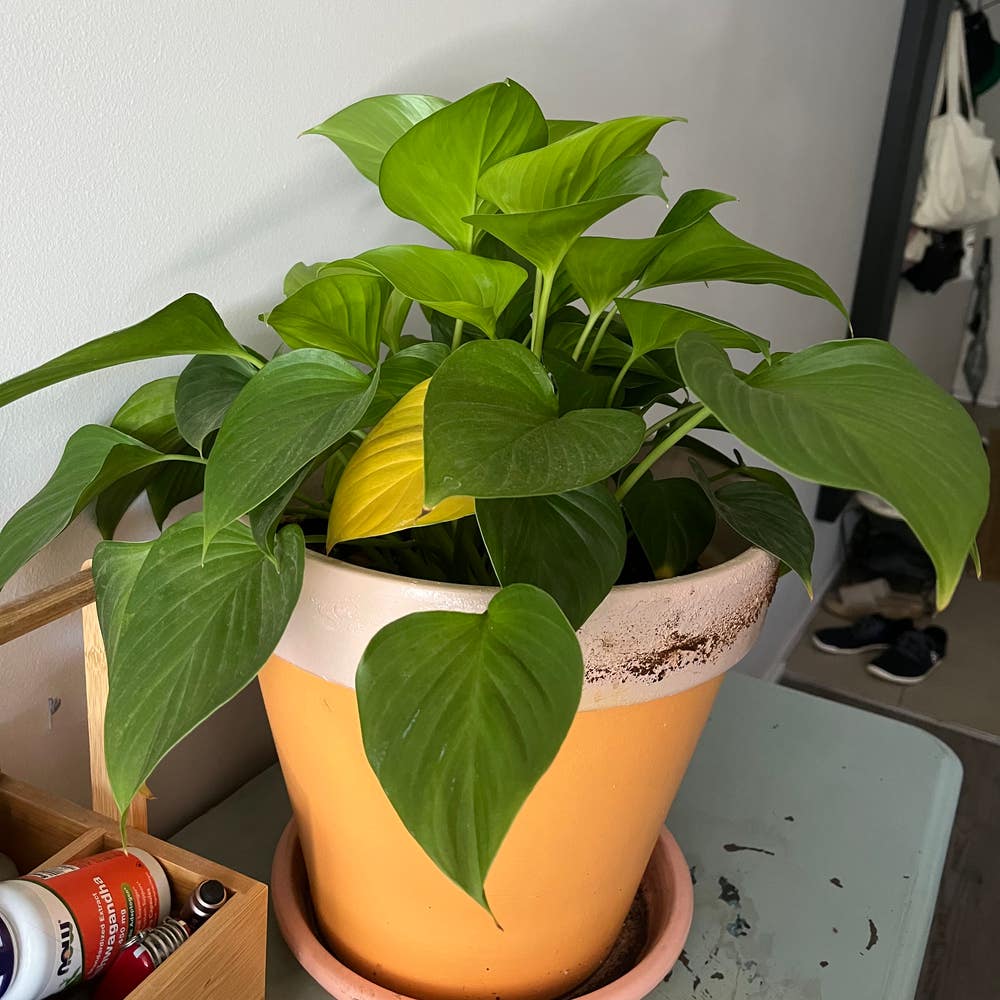
Ultimate Guide to Fixing Curling Leaves on Homalomena 🛠️
Homalomena Selby
By the Greg Editorial Team
Oct 21, 2024•5 min read
This article was created with the help of AI so we can cover more plants for you. May contain errors. See one? Report it here.
- 🌬️ Curling leaves indicate environmental stress; check light, drafts, and humidity levels.
- 💧 Watering issues cause curling; maintain slightly moist soil for optimal health.
- 🌡️ Ideal temperature for Homalomena is 65°F to 80°F; avoid fluctuations for stability.
Causes of Curling Leaves
🌪️ Environmental Stress Factors
Curling leaves on your Homalomena can often be traced back to environmental stressors. Common culprits include sudden changes in light exposure and drafts from air conditioning or heating systems.
💧 Watering Issues
Overwatering Symptoms
Overwatering is a frequent issue that leads to curling leaves. Signs include yellowing leaves, mushy stems, and root rot, indicating that the soil is too saturated.
To prevent these problems, keep the soil slightly moist but not soggy. Regularly check the moisture levels to ensure your plant thrives.
Underwatering Symptoms
Conversely, underwatering can also cause curling leaves. Look for crispy leaf edges, drooping leaves, and dry soil as indicators of this issue.
Water your Homalomena when the top inch of soil feels dry to the touch. This simple practice can help maintain healthy foliage.
🌧️ Humidity Levels and Their Impact
Humidity plays a crucial role in the health of your Homalomena. The ideal humidity range is between 60-80%.
Low humidity can lead to symptoms like leaf curling and browning tips. To combat this, consider using a humidifier, grouping plants together, or placing a tray of water near your plant.
🌡️ Temperature Fluctuations
Temperature fluctuations can stress your Homalomena, causing curling leaves and stunted growth. The optimal temperature range is 65°F to 80°F (18°C to 27°C).
To maintain stable temperatures, avoid placing your plant near drafts and use thermostats to monitor indoor conditions. This will help create a more comfortable environment for your plant.
🐜 Pest Infestations
Common Pests
Pests can also contribute to curling leaves. Spider mites are notorious for leaving fine webbing and stippled leaves, while aphids can create sticky residue and distorted foliage.
Regular inspections are essential to catch these pests early. Keeping an eye on your plant can save it from further damage.
Pest Control Methods
For pest control, consider organic options like neem oil or insecticidal soap. Regularly check the undersides of leaves and stems to ensure your plant remains pest-free.
Taking proactive measures can help maintain the health of your Homalomena and prevent curling leaves from becoming a recurring issue.
With a solid understanding of these causes, you're now equipped to diagnose and address the curling leaves on your plant effectively. Next, we'll explore how to identify specific symptoms of leaf curl for more targeted solutions.
Diagnosing Curling Leaves
Identifying Symptoms of Leaf Curl 🌿
Curling leaves can be a cry for help from your Homalomena. Pay attention to the direction of the curl; it can reveal a lot about the underlying issue.
Differentiating Between Types of Curl 🔍
An upward curl often signals underwatering or a nutrient deficiency. In contrast, a downward curl typically points to overwatering or potential pest problems.
Assessing Environmental Conditions 🌞
Light is crucial; ensure your plant receives adequate indirect sunlight. Use a hygrometer to check humidity levels and a thermometer to monitor temperature.
Checking for Pests and Diseases 🐛
Regular inspections are key. Look closely for any signs of infestation, and be ready to take immediate action if you spot any pests.
By staying vigilant and understanding these symptoms, you can tackle issues before they escalate. Next, let’s explore effective solutions for curling leaves.
Solutions for Curling Leaves
🌊 Adjusting Watering Practices
To tackle curling leaves, start by assessing your current watering schedule. Adjust the frequency based on soil moisture; the goal is to keep the soil slightly moist but not soggy.
Using well-draining soil is crucial to prevent waterlogging. This simple change can make a significant difference in your plant's health.
💧 Increasing Humidity Levels
Humidity plays a vital role in keeping your Homalomena happy. Implementing a humidifier or using a pebble tray can help maintain the ideal humidity levels.
Grouping plants together creates a microclimate that boosts humidity. If appropriate, regular misting can also provide a quick humidity boost.
🌡️ Correcting Temperature Issues
Temperature fluctuations can stress your plant, leading to curling leaves. Relocate your Homalomena away from drafts to maintain a stable environment.
In colder months, consider using heating mats to keep the roots warm. Regularly monitor temperature fluctuations to ensure your plant stays within its optimal range.
🐛 Treating Pest Infestations
Pests can be a sneaky cause of leaf curling. Start by identifying the pest type; common culprits include spider mites and aphids.
Apply appropriate treatments, such as neem oil, to combat these pests. Follow up with regular inspections to catch any new infestations early.
🌱 Fertilizing Appropriately
Fertilization is key to a thriving plant. Choose a balanced fertilizer and apply it during the growing season for the best results.
Keep an eye on your plant's response to fertilization. Adjust your approach based on how your Homalomena reacts to ensure it gets the nutrients it needs.
With these solutions, you can effectively address curling leaves and promote a healthier, happier Homalomena. Next, let’s explore preventative measures to keep your plant thriving long-term.
Preventative Measures
Best Practices for Care 🌱
To keep your Homalomena thriving, consistency is key. Regularly maintain watering and humidity levels to create a stable environment.
Checking for pests and diseases should be part of your routine. A quick inspection can save your plant from potential damage.
Regular Monitoring of Plant Health 🔍
Make it a habit to inspect your plant weekly. Look for any signs of stress or pest activity.
Adjust your care practices based on what you observe. This proactive approach can prevent minor issues from escalating.
Ideal Environmental Conditions for Growth 🌤️
Aim to keep humidity and temperature within optimal ranges. Your Homalomena will flourish in conditions that mimic its natural habitat.
Ensure it receives adequate indirect light. This will help maintain vibrant foliage and overall health.
Seasonal Care Adjustments 🍂
As the seasons change, so should your care routine. Modify watering and humidity practices to adapt to different weather conditions.
Be prepared for temperature fluctuations, especially during winter. A little adjustment can go a long way in keeping your plant happy and healthy.
By following these preventative measures, you can enjoy a thriving Homalomena and avoid the stress of curling leaves. Next, let’s explore how to effectively diagnose any issues that may arise.
⚠️ Safety First
This content is for general information and may contain errors, omissions, or outdated details. It is not medical, veterinary advice, or an endorsement of therapeutic claims.
Always consult a qualified healthcare professional before using any plant as food, medicine, or supplement.
Never eat any plant (or feed one to pets) without confirming its identity with at least two trusted sources.
If you suspect poisoning, call Poison Control (800) 222-1222, the Pet Poison Helpline (800) 213-6680, or your local emergency service immediately.
Spotted an error? Please report it here.
Keep your Homalomena's leaves curl-free 🌿 by using Greg's tailored reminders for humidity and watering, ensuring your plant thrives in its perfect environment!