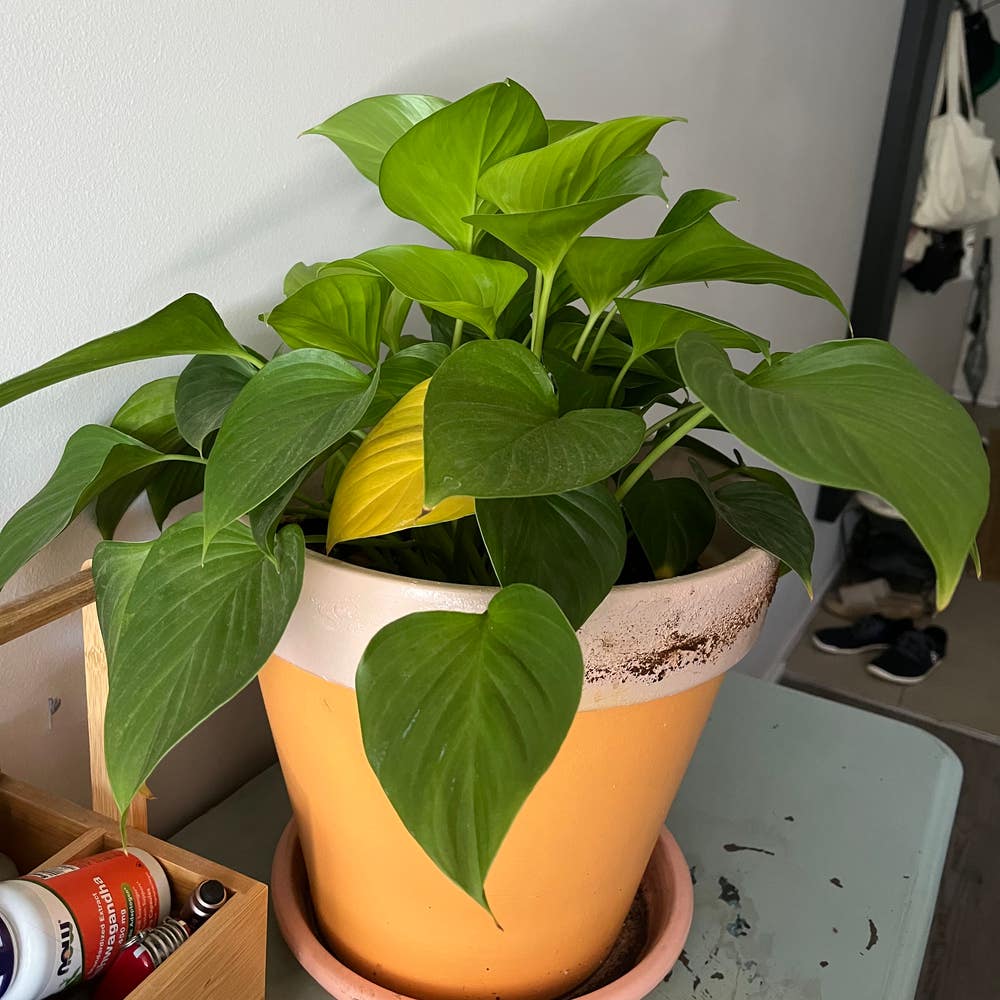
💧 How to Fix Droopy Leaves on Your Emerald Gem
Homalomena Selby
By the Greg Editorial Team
Nov 06, 2024•7 min read
This article was created with the help of AI so we can cover more plants for you. May contain errors. See one? Report it here.
- 💧 Overwatering causes droopy leaves; ensure well-draining soil to prevent root rot.
- 🌞 Insufficient light leads to drooping; place your Emerald Gem in bright indirect light.
- 🌿 Regularly check soil moisture; water when the top inch feels dry for optimal health.
Causes of Droopy Leaves
💧 Overwatering: Signs and Symptoms
Overwatering is a common culprit behind droopy leaves. Look for yellowing leaves and mushy stems, which are clear indicators that your plant is receiving too much water.
Root rot can also develop from overwatering. Signs include a foul smell and blackened roots, signaling that immediate action is needed.
Soil Moisture Considerations
Well-draining soil is crucial for preventing overwatering. Ensure your potting mix allows excess water to escape, reducing the risk of root rot.
Adjust your watering frequency based on environmental conditions. Factors like humidity and temperature can significantly influence how often you should water your Emerald Gem.
💦 Underwatering: Signs and Symptoms
Underwatering can lead to equally distressing symptoms. Look for dry, crispy leaf edges and overall wilting, which indicate your plant is thirsty.
To check soil moisture levels, insert your finger into the soil about an inch deep. If it feels dry, it's time to water.
Watering Frequency and Techniques
Maintaining consistent moisture is key to a healthy plant. Water your Emerald Gem thoroughly, allowing excess water to drain out, and then let the top inch of soil dry before the next watering.
Consider using a schedule based on your plant's needs and environmental conditions to avoid both over and underwatering.
🌡️ Environmental Stress: Light, Temperature, and Humidity
Environmental factors play a significant role in leaf health. Your Emerald Gem thrives in low to bright indirect light; inadequate light can lead to leggy growth and leaf drop.
Light Requirements
Optimal light conditions are essential for vibrant leaves. If your plant isn't getting enough light, consider relocating it to a brighter spot.
Temperature Preferences
The ideal temperature range for your Emerald Gem is between 60°F to 75°F (15°C to 24°C). Fluctuations outside this range can stress the plant, leading to droopy leaves.
Humidity Levels
Humidity is vital for leaf vitality. If the air is too dry, you might notice leaf curling and droop, signaling a need for increased humidity.
🌱 Nutrient Deficiencies: Impact on Leaf Health
Nutrient deficiencies can also cause droopy leaves. A nitrogen deficiency often manifests as yellowing leaves, while a lack of phosphorus or potassium can stunt growth.
Common Nutrient Deficiencies
Keep an eye out for signs of nutrient deficiencies. Yellowing leaves and poor growth can indicate that your plant isn't getting the nutrients it needs.
Importance of Balanced Fertilization
A balanced fertilization schedule is crucial for maintaining leaf health. Use a quality fertilizer and follow the recommended application rates to avoid over-fertilization, which can also harm your plant.
Understanding these causes of droopy leaves is the first step in restoring your Emerald Gem's health. Next, we’ll explore how to diagnose the specific issues affecting your plant.
Diagnosing Droopy Leaves
🌱 Assessing Soil Moisture Levels
Checking soil moisture is crucial for maintaining the health of your Emerald Gem.
Finger Test
The finger test is a simple method: insert your finger about an inch into the soil. If it feels dry, it’s time to water; if it’s still moist, hold off for a bit.
Using a Moisture Meter
A moisture meter can provide a more accurate reading. This tool helps you gauge moisture levels without the guesswork, ensuring your plant gets just the right amount of water.
Ideal Moisture Levels
Aim for soil that is consistently moist but not soggy. The ideal moisture level allows for good drainage while retaining enough water for the roots.
☀️ Evaluating Light Exposure and Placement
Light is another key factor in diagnosing droopy leaves.
Assessing Current Light Conditions
Take a moment to evaluate the light your plant receives. Consider the direction of the light and its intensity; too little light can lead to leggy growth, while too much can scorch the leaves.
Adjusting Plant Placement
If your plant isn’t thriving, try moving it to a brighter spot or adjusting its angle. Optimal placement can significantly enhance growth and leaf health.
🐛 Checking for Pests or Diseases
Pests and diseases can also cause droopy leaves, so it’s essential to inspect your plant regularly.
Common Pests
Look out for signs of infestations, such as spider mites or mealybugs. These pests can sap your plant’s vitality, leading to drooping leaves.
Treatment Options
For treatment, consider both organic and chemical solutions. Neem oil is a popular organic option, while insecticidal soaps can effectively tackle more severe infestations.
Identifying Diseases
Fungal infections can also cause leaf droop. Watch for symptoms like discoloration or unusual spots, as these can indicate underlying issues that need addressing.
By carefully assessing soil moisture, light exposure, and potential pests or diseases, you can effectively diagnose the causes of droopy leaves on your Emerald Gem. This proactive approach sets the stage for implementing effective solutions and restoring your plant’s health.
Solutions for Droopy Leaves
🌊 Adjusting Watering Practices
To revive your droopy Emerald Gem, start by determining the right watering frequency based on environmental conditions. Factors like temperature, humidity, and light levels play a crucial role in how often you should water.
Next, adopt the soak and dry method. This technique involves thoroughly soaking the soil and allowing it to dry out before the next watering.
Look for signs of proper watering, such as vibrant, healthy leaves. If your plant is thriving, you’ll notice a significant improvement in its overall appearance.
🕳️ Improving Drainage
Improving drainage is essential for preventing droopy leaves. A recommended potting mix includes components like perlite and sand, which enhance soil aeration and drainage.
When choosing a pot, ensure it has adequate drainage holes and is the right size for your plant. A pot that’s too small can lead to root crowding, while one that’s too large may retain excess moisture.
💡 Modifying Light Conditions
Light exposure is another critical factor in plant health. If your Emerald Gem isn’t getting enough light, consider moving it to a brighter location.
You can also use sheer curtains to diffuse harsh sunlight. This helps protect your plant from direct rays while still providing the light it needs to thrive.
💧 Increasing Humidity
Humidity plays a significant role in leaf vitality. To increase humidity around your plant, consider setting up a humidity tray filled with water and pebbles.
Misting your plant can also help, but be mindful of the pros and cons. While misting provides immediate moisture, a humidifier offers a more consistent solution for maintaining optimal humidity levels.
By implementing these solutions, you can effectively address droopy leaves and promote a healthier, more vibrant Emerald Gem. Next, let’s explore preventative measures to keep your plant thriving long-term.
Preventative Measures
Regular Monitoring of Plant Health 🌱
Routine checks are essential for spotting signs of stress in your Emerald Gem. By observing your plant regularly, you can catch issues like droopy leaves before they escalate.
Keeping a care journal can be a game-changer. Documenting your watering schedule and growth patterns helps you identify what works best for your plant.
Seasonal Care Adjustments 🍂
As the seasons change, so should your care practices. For instance, your watering frequency may need to increase in summer and decrease in winter.
Light adjustments are also crucial. Be mindful of how the angle and intensity of sunlight shift throughout the year, and reposition your plant accordingly.
Best Practices for Fertilization 🌼
Establishing a recommended fertilization schedule is vital for maintaining healthy leaves. Use balanced fertilizers that provide essential nutrients without overwhelming your plant.
Be aware of the signs of over-fertilization, such as leaf burn or stunted growth. Adjust your fertilization routine to avoid these pitfalls and keep your Emerald Gem thriving.
By implementing these preventative measures, you can ensure your plant remains healthy and vibrant. Next, let’s explore how to diagnose droopy leaves effectively.
⚠️ Safety First
This content is for general information and may contain errors, omissions, or outdated details. It is not medical, veterinary advice, or an endorsement of therapeutic claims.
Always consult a qualified healthcare professional before using any plant as food, medicine, or supplement.
Never eat any plant (or feed one to pets) without confirming its identity with at least two trusted sources.
If you suspect poisoning, call Poison Control (800) 222-1222, the Pet Poison Helpline (800) 213-6680, or your local emergency service immediately.
Spotted an error? Please report it here.
Revive your droopy Emerald Gem with consistent care 🌿—let Greg guide you with personalized watering reminders and expert tips to ensure your plant thrives!