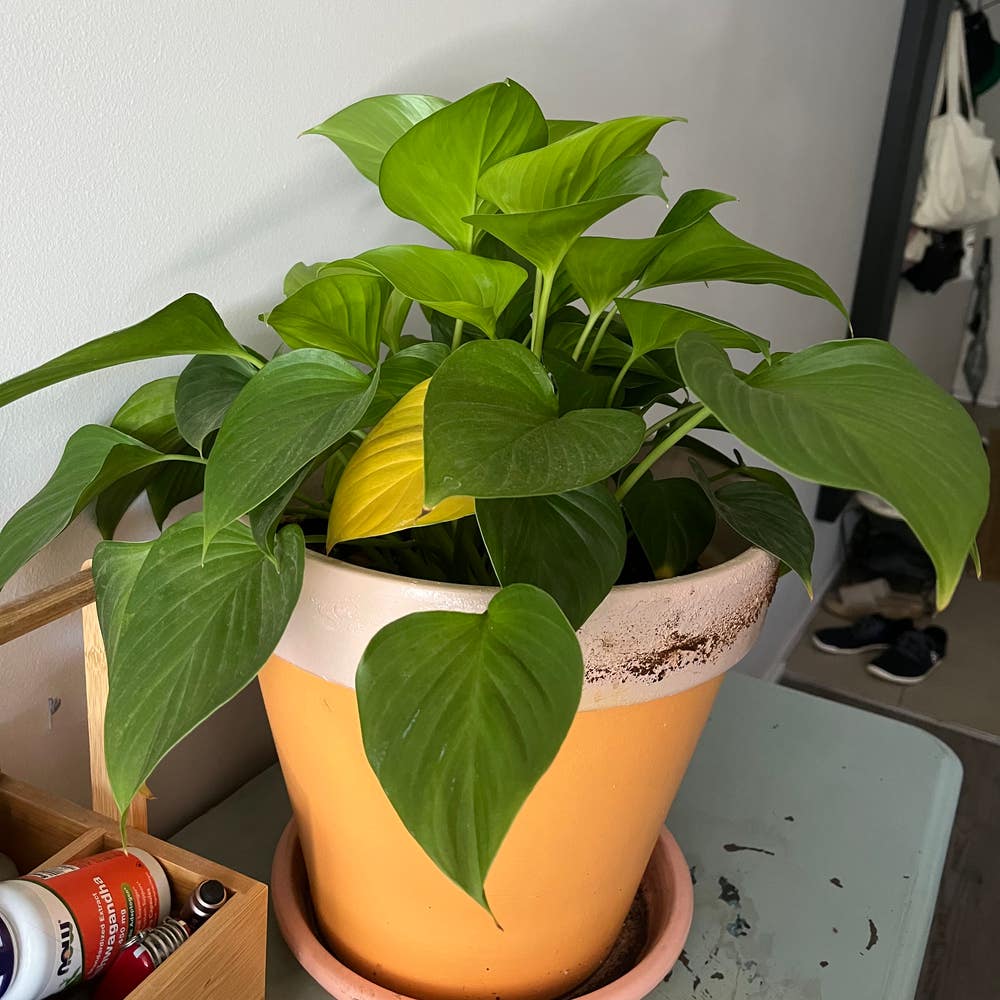
🌸 4 Factors Affecting Homalomena Flowering
Homalomena Selby
By the Greg Editorial Team
Oct 21, 2024•4 min read
This article was created with the help of AI so we can cover more plants for you. May contain errors. See one? Report it here.
- 🌞 Insufficient light and nutrients are primary reasons Homalomena fails to bloom.
- 🌬️ Environmental stressors like humidity and temperature fluctuations hinder blooming in Homalomena.
- 🌱 Balanced fertilization and stable conditions are crucial for healthy flower production.
Failure to Bloom
🌱 Potential Causes
If your Homalomena isn't blooming, it might be due to insufficient light or nutrients. These plants thrive on the right balance of both to produce those stunning flowers.
Environmental stressors can also play a significant role. Low humidity or temperature fluctuations can hinder blooming, leaving your plant feeling less than its best.
🌼 Solutions to Encourage Blooming
To encourage your Homalomena to bloom, start by adjusting its light exposure. Ensure it receives adequate light while avoiding harsh direct sunlight.
Proper fertilization is equally important. Use a balanced fertilizer to provide the essential nutrients your plant craves.
Maintaining stable environmental conditions is crucial as well. Keep humidity levels consistent and avoid drastic temperature changes to create a thriving environment for blooming.
With these adjustments, your Homalomena can flourish and reward you with beautiful blooms. Next, let’s explore the issue of premature flower drop and how to prevent it.
Premature Flower Drop
🐞 Reasons for Bud Drop
Premature flower drop in Homalomena can be frustrating. Common culprits include stress from environmental changes and nutrient deficiencies.
Pests and diseases can also wreak havoc on flower health, leading to bud drop. Keeping an eye on these factors is crucial for maintaining vibrant blooms.
🛠️ Preventative Measures and Solutions
To prevent premature flower drop, start with regular inspections for pests. Treat any infestations promptly to protect your flowers.
Next, ensure consistent watering and humidity levels. Homalomena thrives in stable conditions, so avoid sudden changes in light or temperature.
By addressing these issues, you can help your Homalomena flourish and enjoy its beautiful blooms. Now, let's explore how light impacts flowering to further enhance your plant care strategy.
Abnormal Flower Development
🌼 Identifying Abnormal Flower Growth
Abnormal flower growth in Homalomena can manifest as misshapen, discolored blooms or flowers that fail to open fully. These issues can be frustrating, especially when you’re eager to showcase your plant’s beauty.
🔍 Causes and Corrective Actions
Nutrient imbalances are often at the root of these problems. If your plant isn’t getting the right nutrients, it may struggle to produce healthy flowers.
Environmental stress can also play a significant role. Fluctuations in temperature or humidity can disrupt the blooming process, leading to abnormal flower development.
To correct these issues, start by adjusting your fertilization routine. Ensure your plant receives a balanced diet tailored to its needs.
Additionally, maintaining stable growing conditions is crucial. Keep an eye on temperature and humidity levels to create an environment where your Homalomena can thrive.
By addressing these factors, you can promote healthy flower development and enjoy the vibrant blooms you desire.
Next, let’s explore how light impacts flowering in Homalomena.
Impact of Light on Flowering
🌼 Importance of Light for Flowering
Homalomena plants flourish in filtered light, which is crucial for triggering their bloom cycle. Without adequate light, these beautiful flowers may struggle to develop properly.
💡 Solutions for Optimizing Light Exposure
📍 Positioning
To maximize light exposure, place your Homalomena near east or north-facing windows. This positioning allows the plant to receive gentle morning light, which is ideal for growth.
💡 Supplemental Lighting
If natural light falls short, consider using grow lights. These can provide the necessary intensity to keep your plant thriving.
🔄 Rotation
Regularly rotating your Homalomena ensures even light distribution. This simple practice helps prevent uneven growth and encourages a balanced bloom.
By optimizing light conditions, you can significantly enhance your Homalomena's flowering potential. Next, let’s explore the nutritional needs that support these stunning blooms.
Nutritional Needs for Flowering
🌱 Essential Nutrients for Flowering
To thrive and bloom, Homalomena requires a balanced intake of essential nutrients. Key players include nitrogen, phosphorus, and potassium, which are crucial for robust flower development.
🌼 Recommended Fertilizers and Feeding Schedule
For optimal growth, use a balanced, water-soluble fertilizer, such as 20-20-20, every 4-6 weeks during the growing season. This ensures your plant receives the nutrients it needs to flourish.
When buds begin to appear, consider switching to a bloom booster fertilizer that is high in phosphorus. This targeted approach can significantly enhance flower quality and quantity.
By paying attention to your Homalomena's nutritional needs, you set the stage for vibrant blooms and healthy growth. Next, let’s explore how light exposure impacts flowering.
⚠️ Safety First
This content is for general information and may contain errors, omissions, or outdated details. It is not medical, veterinary advice, or an endorsement of therapeutic claims.
Always consult a qualified healthcare professional before using any plant as food, medicine, or supplement.
Never eat any plant (or feed one to pets) without confirming its identity with at least two trusted sources.
If you suspect poisoning, call Poison Control (800) 222-1222, the Pet Poison Helpline (800) 213-6680, or your local emergency service immediately.
Spotted an error? Please report it here.
Unlock vibrant blooms for your Homalomena 🌸 by using Greg's tailored care reminders and fertilization tips to ensure optimal light and nutrients for thriving flowers!