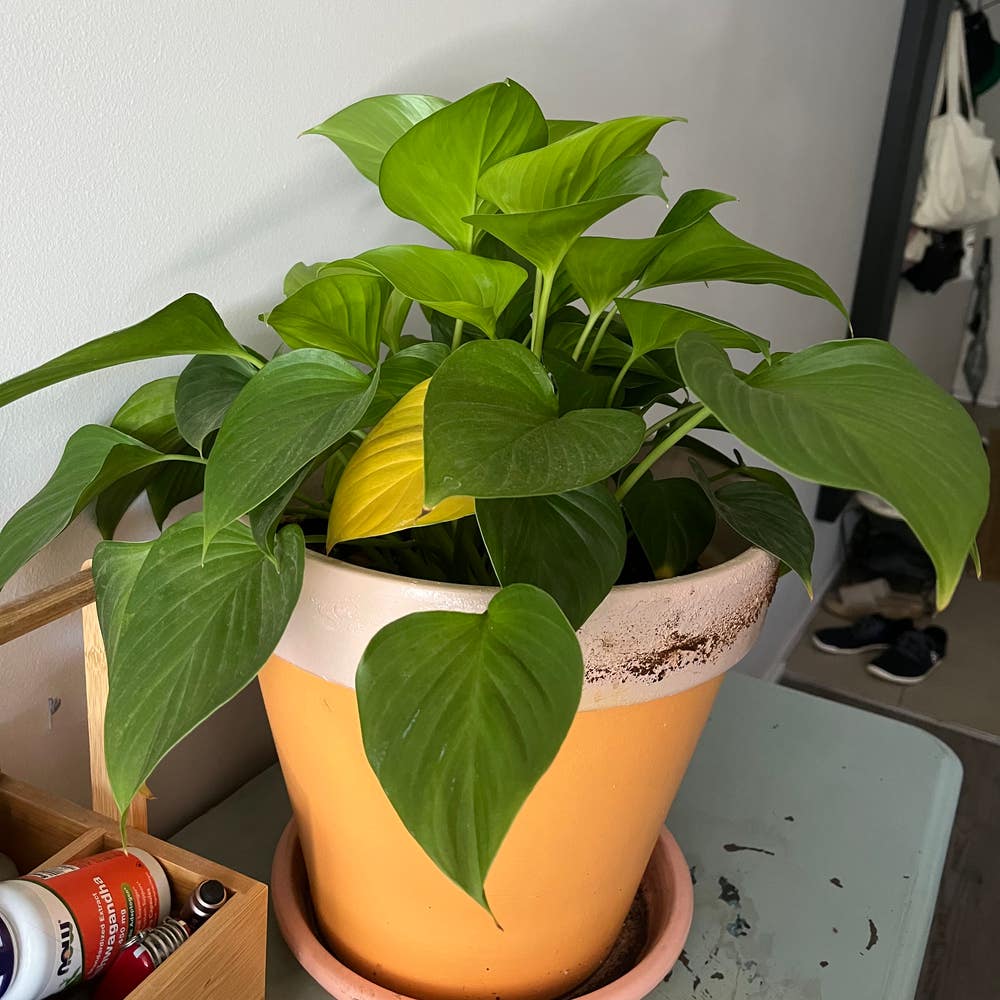
Ultimate Guide to Homalomena Lifecycle 🦋
Homalomena Selby
By the Greg Editorial Team
Oct 21, 2024•6 min read
This article was created with the help of AI so we can cover more plants for you. May contain errors. See one? Report it here.
- 🌱 Germinating Homalomena seeds needs 70-80°F, high humidity, and bright light.
- 🌼 Homalomena flowers last 2-4 weeks, thriving in bright, indirect light.
- ⏳ Lifecycle from seed to maturity takes 1-2 years with proper care.
Seed and Cutting Stage
🌱 Germination Process ((difficulty:easy))
Germinating Homalomena seeds is an exciting journey that begins with the right conditions. Aim for a temperature around 70-80°F, high humidity levels, and bright, indirect light to kickstart the process.
⏳ Timeframe for Germination
Typically, you can expect germination to take about 2-4 weeks. However, this timeframe can vary based on environmental factors like temperature and moisture.
🔑 Factors Affecting Germination Success
Several key factors can influence how well your seeds germinate.
- Seed Quality and Age: Fresh, high-quality seeds tend to germinate better.
- Soil Type and Drainage: Well-draining soil is crucial to prevent rot.
- Temperature and Moisture Levels: Consistent warmth and moisture are essential for success.
By paying attention to these elements, you can significantly improve your chances of a successful germination.
As you nurture your seeds through this stage, you’ll be laying the groundwork for a thriving plant. Next, we’ll explore the seedling stage, where your Homalomena will start to take shape.
Seedling Stage
🌱 Characteristics of the Seedling Stage
The seedling stage is a crucial phase in the life of a Homalomena. During this time, you'll notice the development of new leaves and distinct growth patterns, indicating that your plant is thriving.
As the seedling matures, it establishes its initial root system. A robust root network is essential for nutrient uptake and overall plant health.
⏳ Duration of the Seedling Stage
Typically, the seedling stage lasts about 4 to 8 weeks. Keep an eye out for signs that your plant is ready for transplanting, such as multiple leaves and a strong root system.
🌤️ Environmental Conditions for Optimal Growth
To ensure your Homalomena seedlings flourish, provide them with indirect sunlight. Direct sunlight can scorch the delicate leaves, so it's best to keep them in a bright, filtered light environment.
Humidity is another critical factor; aim for levels between 60-80%. This high humidity will help your seedlings thrive and prevent them from drying out.
Lastly, maintain soil moisture by keeping it consistently moist but not waterlogged. Overwatering can lead to root rot, so it's essential to find that perfect balance.
As your seedlings grow, you'll be well on your way to nurturing healthy Homalomena plants. Next, let’s explore the vegetative growth stage, where your plants will really start to take off!
Vegetative Growth Stage
Description of Vegetative Growth 🌱
During the vegetative growth stage, Homalomena plants experience significant leaf expansion and stem elongation. This is the phase where they develop a robust root system, anchoring them firmly in their environment.
Duration of Vegetative Growth ⏳
The duration of this stage typically ranges from 6 months to several years. The exact length depends on various conditions, including care and environmental factors.
Notable Changes During This Stage 🌿
As the plant matures, you'll notice variations in leaf size and color. This stage also marks the transition from juvenile to mature foliage, showcasing the plant's growth journey.
In summary, the vegetative growth stage is crucial for establishing a strong foundation for your Homalomena. Understanding this phase will help you provide the right care and conditions as your plant continues to thrive.
Flowering Stage
🌸 Overview of Flowering in Homalomena
Homalomena plants produce unique flowers that are both striking and subtle. Their inflorescences typically feature a spadix surrounded by a spathe, showcasing colors that range from creamy white to pale green.
Pollination is a crucial part of the flowering process. Homalomena relies on various pollinators, including bees and other insects, to transfer pollen effectively. This interaction is vital for successful fertilization and seed production.
⏳ Duration of the Flowering Stage
The flowering stage usually lasts between 2 to 4 weeks. However, several factors can influence this duration, including the plant's health and environmental conditions.
Optimal conditions can lead to a more vibrant and prolonged flowering period. Conversely, stressors like inadequate light or poor nutrition can shorten this phase.
🌱 Conditions That Promote Flowering
To encourage flowering, provide bright, indirect light. This lighting mimics the plant's natural habitat, promoting healthy blooms.
Nutrient availability is also essential. Balanced fertilization supports robust growth and flowering, ensuring the plant has the resources it needs.
Lastly, maintaining environmental stability is crucial. Consistent humidity and temperature levels create a conducive atmosphere for flowering, allowing your Homalomena to thrive.
As we transition to the next stage, understanding the flowering process sets the foundation for appreciating the subsequent seed production and maturation.
Seed Production and Maturation
🌱 Process of Seed Production
The reproductive cycle of Homalomena is a fascinating journey. It begins with pollination, where pollen from the male parts of the flower reaches the female parts, leading to fertilization.
Once fertilized, the plant starts developing seeds. This process is crucial for the continuation of the species and can be influenced by various factors, including the presence of pollinators like bees and other insects.
⏳ Timeframe for Seed Maturation
After pollination, you can expect seed maturation to take about 4-6 weeks. However, this timeframe can vary based on environmental conditions such as temperature and humidity.
Factors like soil quality and care practices also play a significant role in how well the seeds develop. Keeping an eye on these elements can enhance your success in seed production.
🕰️ Lifespan of Homalomena and Factors Influencing It
Homalomena plants typically enjoy a lifespan of 5-10 years, given the right conditions. Their longevity is influenced by environmental factors, including humidity, light exposure, and overall care.
Proper maintenance can significantly extend their life, allowing you to enjoy their beauty for years to come. Understanding these factors will help you nurture your Homalomena effectively.
As you delve deeper into the lifecycle of Homalomena, you'll discover the intricate balance between care and growth. Next, we’ll explore the growth rate and maturation time, shedding light on how quickly these plants can thrive.
Growth Rate and Maturation Time
🌱 How Fast Does Homalomena Grow?
Homalomena typically grows at an average rate of 6-12 inches per year when provided with optimal conditions. This growth can be quite satisfying, especially for plant enthusiasts eager to see their green companions thrive.
⏳ Factors Affecting Growth Rate
Several factors influence how quickly your Homalomena will grow. Key elements include:
- Environmental Conditions: Light, humidity, and temperature play crucial roles in growth speed.
- Soil Quality: Nutrient-rich, well-draining soil promotes healthier growth.
📅 Summary of Overall Maturation Time
From seed to maturity, expect a timeline of approximately 1-2 years. However, this can vary based on care practices and environmental factors, so stay attentive to your plant's needs for the best results.
Understanding these growth dynamics helps you nurture your Homalomena effectively, setting the stage for a flourishing plant life. Next, let’s explore the fascinating flowering stage of this remarkable species.
⚠️ Safety First
This content is for general information and may contain errors, omissions, or outdated details. It is not medical, veterinary advice, or an endorsement of therapeutic claims.
Always consult a qualified healthcare professional before using any plant as food, medicine, or supplement.
Never eat any plant (or feed one to pets) without confirming its identity with at least two trusted sources.
If you suspect poisoning, call Poison Control (800) 222-1222, the Pet Poison Helpline (800) 213-6680, or your local emergency service immediately.
Spotted an error? Please report it here.
Master your Homalomena's lifecycle 🌿 with Greg's tailored care reminders, ensuring it thrives from seed to maturity!