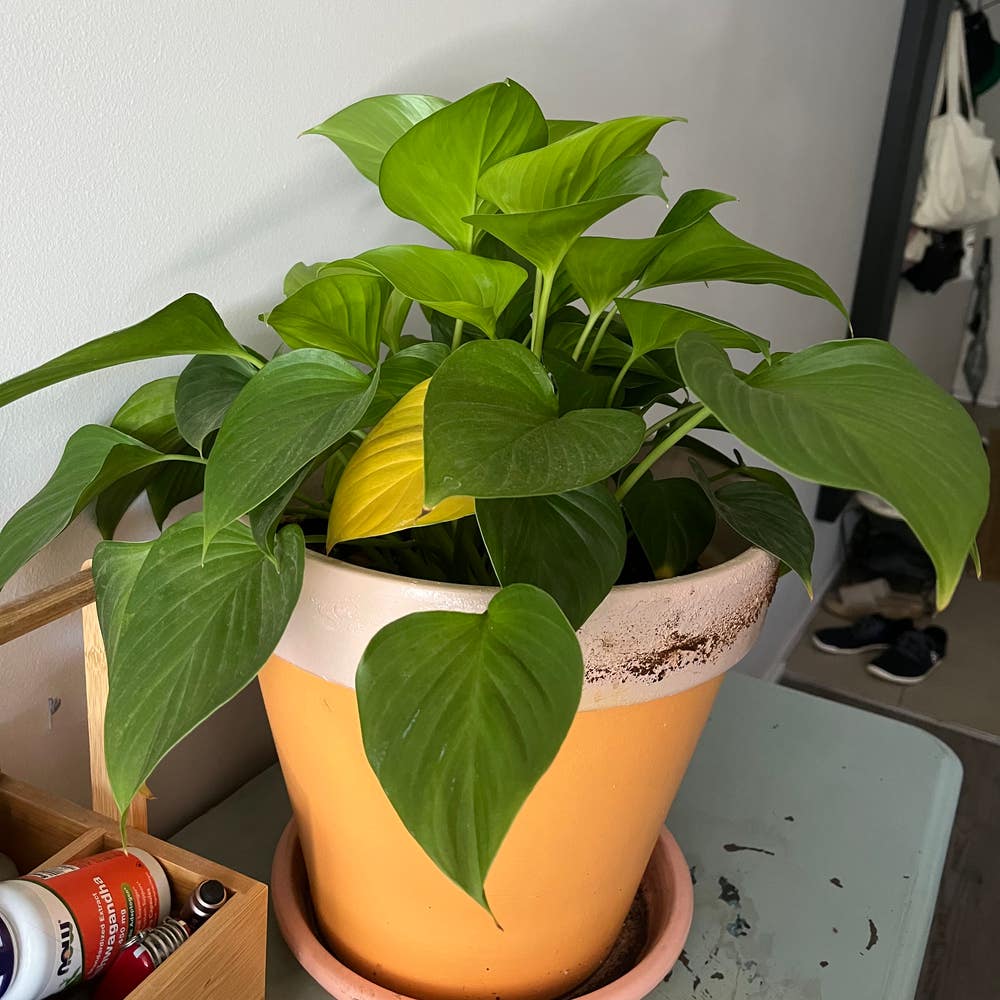
What to Do About Emerald Gem Root Rot 💧
Homalomena Selby
By the Greg Editorial Team
Nov 06, 2024•6 min read
This article was created with the help of AI so we can cover more plants for you. May contain errors. See one? Report it here.
- 🌱 Early signs of root rot include yellowing leaves and wilting; act fast!
- 🚫 Overwatering and poor drainage are primary causes of root rot; adjust care accordingly.
- 🧼 Clean pots and tools to prevent infection when repotting affected plants.
Diagnosis of Root Rot
Identifying Symptoms 🌱
Recognizing root rot early is crucial for saving your emerald gem. Look for common signs like yellowing leaves, which indicate stress and poor root health.
Wilting is another red flag; leaves may droop even when you’ve watered adequately. Lastly, leaf drop can occur suddenly, signaling severe root issues that need immediate attention.
Visual Signs 👀
Visual indicators can provide more clues about root rot. Dark, mushy roots are a clear sign of trouble; healthy roots should be firm and white.
If you notice a foul odor emanating from the soil or roots, it’s a strong indication of decay. Additionally, leaf discoloration, such as dark spots or patches, can further confirm that your plant is struggling.
Root Inspection Techniques 🔍
Inspecting the roots is a hands-on approach to diagnosing root rot. Follow these steps for a thorough examination:
- Gently remove the plant from its pot. Be careful not to damage the roots during this process.
- Examine the root system for color and texture. Healthy roots should be white and firm.
- Use clean scissors to trim away any dark or mushy roots. This helps prevent the spread of rot.
- Assess the remaining roots for health and vitality. Look for signs of life, such as firmness and a healthy color.
By following these techniques, you can effectively diagnose root rot and take the necessary steps to revive your emerald gem. Next, let’s explore the causes of root rot to better understand how to prevent it.
Causes of Root Rot
💧 Overwatering Effects
Overwatering is a primary culprit behind root rot. When plants sit in consistently soggy soil, their roots struggle to breathe, leading to decay.
Signs of overwatering include soil that remains wet for extended periods and leaves that appear droopy despite adequate watering.
🕳️ Poor Drainage and Soil Composition
Compacted or heavy soils can trap moisture, creating a breeding ground for root rot. It's crucial to use pots with drainage holes to allow excess water to escape.
For optimal drainage, consider a potting mix that includes components like perlite or sand. These materials help aerate the soil, preventing water accumulation.
🍄 Fungal Pathogens
Fungal infections are another significant factor affecting root health. Common culprits include Pythium and Phytophthora species, which thrive in overly moist conditions.
Conditions that promote fungal growth include poor air circulation and high humidity. Keeping your plant's environment balanced can help mitigate these risks.
Understanding these causes is essential for effective prevention and treatment of root rot. By addressing these factors, you can create a healthier environment for your emerald gem and ensure its vibrant growth.
Treatment of Root Rot
Step-by-Step Treatment Guide 🌱
Treating root rot can seem daunting, but following these steps will help restore your plant's health.
- Remove the plant from its pot and inspect roots. Gently take the plant out, being careful not to damage the remaining healthy roots.
- Trim away all affected roots using sterilized scissors. Cut away any dark, mushy roots to prevent further spread of rot.
- Allow the remaining roots to dry for a few hours. This helps to reduce moisture and prepares them for repotting.
- Prepare a fresh potting mix with proper drainage. Use a mix that promotes airflow and prevents water retention.
- Repot the plant, ensuring the roots are spread out. Position the plant in the center of the pot, allowing roots to extend naturally.
Root Removal and Repotting 🪴
Proper root removal is crucial for recovery.
- Identify and cut away all damaged sections. Be thorough; any remaining rot can lead to future problems.
- Clean the pot and tools to prevent further infection. Use hot, soapy water or a diluted bleach solution to sanitize everything.
When repotting, keep these tips in mind:
- Positioning the plant at the same depth as before. This helps maintain stability and encourages healthy growth.
- Watering lightly after repotting to avoid further stress. Too much water can shock the plant, so be gentle.
Recommended Treatments 💊
After addressing root rot, consider these treatments to support recovery.
- Overview of fungicides suitable for treating root rot. Look for products specifically designed to combat root rot pathogens.
- Natural alternatives:
- Cinnamon powder as a natural fungicide. Sprinkle it on the soil to help inhibit fungal growth.
- Neem oil for antifungal properties. Mix it with water and apply it to the soil to provide ongoing protection.
By following these treatment steps and utilizing effective remedies, you can help your emerald gem thrive again. Next, let’s explore how to prevent root rot from occurring in the first place.
Prevention of Root Rot
🌊 Best Watering Practices
To prevent root rot, mastering your watering technique is crucial. Water your plants only when the top 2-3 inches of soil feel dry to the touch.
The finger test is a simple yet effective method. Insert your finger into the soil; if it feels moist, hold off on watering.
🕳️ Proper Drainage and Pot Selection
Choosing the right pot can make all the difference in root health. Ensure your pots have drainage holes to allow excess water to escape.
Consider the pot size as well. A pot that’s too small can lead to water accumulation, while one that’s too large may retain moisture longer than necessary.
🌱 Soil Recommendations
The right soil composition is vital for healthy roots. A mix of potting soil, perlite, and sand promotes aeration and drainage.
Maintaining appropriate soil moisture levels is equally important. Aim for a balance that keeps the soil moist but not soggy, ensuring your plants thrive without the risk of rot.
By following these preventive measures, you can significantly reduce the risk of root rot and keep your emerald gems flourishing. Next, let’s explore how to monitor and maintain your plants for ongoing health.
Monitoring and Maintenance
🌱 Regular Checks for Root Health
To keep your emerald gem thriving, conduct monthly inspections for root health. Look for signs of stress, such as yellowing leaves or wilting, which can indicate underlying root issues.
Observing leaf health and growth patterns is crucial. Healthy leaves should be vibrant and firm, signaling that the roots are functioning well.
🍂 Seasonal Care Adjustments
As the seasons change, so should your care routine. In winter, when growth slows, reduce watering to prevent over-saturation.
Adjusting light exposure is also important. Ensure your plant receives adequate light based on seasonal variations to support its growth.
🔍 Post-Treatment Monitoring
After treating root rot, watch for signs of recovery. New growth is a positive indicator that your plant is bouncing back.
Stay vigilant for any recurring signs of root rot. Early detection can save your plant from further distress and ensure its long-term health.
⚠️ Safety First
This content is for general information and may contain errors, omissions, or outdated details. It is not medical, veterinary advice, or an endorsement of therapeutic claims.
Always consult a qualified healthcare professional before using any plant as food, medicine, or supplement.
Never eat any plant (or feed one to pets) without confirming its identity with at least two trusted sources.
If you suspect poisoning, call Poison Control (800) 222-1222, the Pet Poison Helpline (800) 213-6680, or your local emergency service immediately.
Spotted an error? Please report it here.
Revive your emerald gem from root rot with early diagnosis and Greg's tailored watering reminders, ensuring your plant stays healthy and happy! 🌿