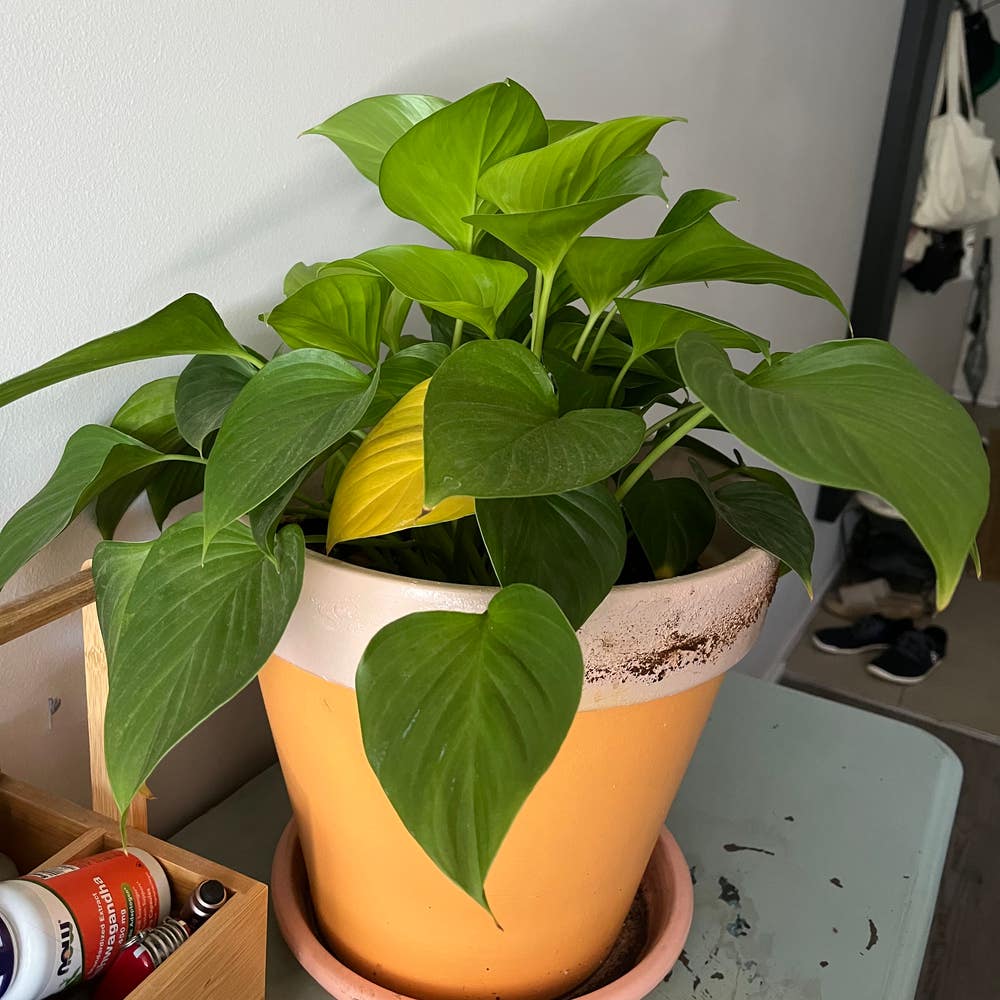
🔍 Understanding Brown Spots on Your Emerald Gem Leaves
Homalomena Selby
By the Greg Editorial Team
Nov 06, 2024•6 min read
This article was created with the help of AI so we can cover more plants for you. May contain errors. See one? Report it here.
- 🌧️💧 Brown spots arise from overwatering, underwatering, pests, or nutrient deficiencies.
- 🐜 Spider mites and mealybugs are common pests damaging Emerald Gem leaves.
- 🌱 Regular inspections and balanced fertilization prevent brown spots and maintain plant health.
Common Causes of Brown Spots on Leaves
💧 Overwatering and Root Rot
Overwatering is a common issue that can lead to brown spots on your Emerald Gem leaves. Symptoms include soft, mushy areas on the leaves and a foul smell indicating blackened roots.
To prevent this, ensure proper soil drainage. Adjust your watering frequency based on the moisture levels of the soil to keep your plant healthy.
🌵 Underwatering and Leaf Dehydration
Underwatering can also cause brown spots, manifesting as crispy, dry patches on the edges of leaves. A wrinkled or shriveled appearance is another telltale sign of dehydration.
Establishing a consistent watering schedule is key. Look for signs like drooping leaves to determine when your plant needs water.
🐜 Pest Infestations
🕷️ Spider Mites
Spider mites are notorious for causing damage to Emerald Gem leaves. You can identify them by fine webbing and stippled leaves, which indicate yellowing and browning of leaf tissue.
Control methods include using neem oil, insecticidal soap, and increasing humidity levels around your plant.
🧼 Mealybugs
Mealybugs appear as white, cotton-like masses on leaves and stems. They sap the plant's vitality, leading to yellowing and browning leaves.
Manual removal, alcohol swabs, and systemic insecticides are effective control methods to keep these pests at bay.
🍄 Fungal Infections
🌑 Leaf Spot Disease
Leaf spot disease presents as dark brown or black spots with yellow halos around them. This condition often arises from excess moisture and poor air circulation.
Treatment options include applying fungicides and improving air circulation around your plants to prevent future outbreaks.
🌱 Nutrient Deficiencies
🥔 Potassium Deficiency
Potassium deficiency can lead to marginal browning and yellowing of leaves. This nutrient is essential for overall plant health.
To treat this deficiency, consider using potassium-rich fertilizers and soil amendments to replenish nutrients.
🧂 Magnesium Deficiency
Magnesium deficiency results in interveinal chlorosis, which can lead to brown spots. This condition can be addressed with Epsom salt applications and balanced fertilization.
Understanding these common causes of brown spots on your Emerald Gem leaves is crucial for maintaining their health. By recognizing the symptoms and implementing effective prevention and treatment strategies, you can keep your plants thriving. Next, we will explore how to diagnose and treat these brown spots effectively.
Diagnosis and Treatment of Brown Spots
🌟 Identifying the Type of Brown Spots
Spot Size and Shape
When diagnosing brown spots on your Emerald Gem leaves, start by examining their size and shape. Small, pinpoint spots often indicate pest issues, while large, irregular patches may suggest fungal infections.
Understanding these differences is crucial for effective treatment. For instance, pinpoint spots could be a sign of spider mites, whereas larger patches might be linked to leaf spot diseases.
Location on the Leaf
Next, consider where the spots appear on the leaf. Spots on the upper surface typically point to environmental stress or pests, while those on the lower surface may indicate fungal issues.
Additionally, the pattern of spotting can provide clues. Random spots might suggest a pest infestation, while clustered spots could indicate a more systemic problem, such as a fungal infection.
🛠️ Treatment Options for Brown Spots
Adjusting Watering Practices
One of the first steps in treating brown spots is to adjust your watering practices. Check the soil moisture before watering; it should be dry to the touch at least an inch down.
Allowing the soil to dry out between waterings can help prevent further damage. This simple adjustment can make a significant difference in the health of your plant.
Improving Soil Drainage
Soil drainage is another critical factor in preventing brown spots. Use well-draining soil types specifically recommended for Emerald Gems, such as a mix of potting soil and perlite.
Consider potting techniques that enhance drainage, like using pots with drainage holes or adding a layer of gravel at the bottom. These methods can help keep roots healthy and prevent waterlogging.
🐞 Pest Control Methods
If pests are the culprit, implementing integrated pest management strategies is essential. Regularly inspect your plants for signs of infestation and treat them promptly.
Timing and frequency of treatments are key. Apply insecticidal soap or neem oil as soon as you notice pests to minimize damage and keep your Emerald Gem thriving.
🍄 Fungal Treatment Options
For fungal issues, various fungicides are available. Choose one that targets the specific type of fungus affecting your plant and follow the application instructions carefully.
Always remember to adhere to label instructions for safety and effectiveness. Proper application can help restore your plant's health and prevent future outbreaks.
🌱 Fertilization Strategies
Finally, consider your fertilization strategies. Use potassium-rich fertilizers to replenish nutrients and support leaf health.
Timing and frequency of fertilization are crucial. Regularly feeding your Emerald Gem during the growing season can help prevent nutrient deficiencies that lead to brown spots.
By identifying the type of brown spots and implementing these treatment options, you can effectively manage and prevent further damage to your Emerald Gem leaves. Next, let’s explore some proactive prevention strategies to keep your plant healthy and vibrant.
Prevention Strategies for Brown Spots
💧 Best Practices for Watering
Establishing a consistent watering schedule is crucial for your Emerald Gem. Adjust your frequency based on environmental conditions, such as temperature and humidity, to prevent both overwatering and underwatering.
To check soil moisture levels, use your finger or a moisture meter. Aim for the top inch of soil to be dry before watering again, ensuring your plant receives just the right amount of hydration.
🌬️ Importance of Humidity and Temperature Control
Emerald Gems thrive in humidity levels between 40% and 60%. Maintaining this range helps prevent brown spots and keeps your plant healthy.
To achieve ideal conditions, consider using a humidifier or placing a tray of water near your plant. Regularly monitor the temperature, keeping it stable between 65°F and 75°F for optimal growth.
🔍 Regular Inspection for Pests and Diseases
Frequent inspections are key to catching issues early. Aim to check your plants at least once a week for signs of pests or diseases.
Look for unusual spots, webbing, or any changes in leaf color. Early detection allows for timely intervention, minimizing damage and keeping your Emerald Gem thriving.
🌱 Proper Fertilization Schedule
Fertilizing your Emerald Gem properly can prevent nutrient deficiencies that lead to brown spots. A balanced fertilizer every 4-6 weeks during the growing season is generally recommended.
Be cautious of over-fertilization, which can cause leaf burn. Signs include browning leaf edges and a crusty buildup on the soil surface.
🪴 Choosing the Right Potting Mix
Selecting the right potting mix is essential for drainage and aeration. Look for a blend that includes perlite or vermiculite to enhance soil structure.
Consider commercial mixes designed for houseplants or create your own by combining potting soil with sand and organic matter. This ensures your Emerald Gem has the best environment to flourish.
By implementing these prevention strategies, you can significantly reduce the risk of brown spots on your Emerald Gem leaves. Next, we'll explore how to diagnose and treat existing brown spots effectively.
⚠️ Safety First
This content is for general information and may contain errors, omissions, or outdated details. It is not medical, veterinary advice, or an endorsement of therapeutic claims.
Always consult a qualified healthcare professional before using any plant as food, medicine, or supplement.
Never eat any plant (or feed one to pets) without confirming its identity with at least two trusted sources.
If you suspect poisoning, call Poison Control (800) 222-1222, the Pet Poison Helpline (800) 213-6680, or your local emergency service immediately.
Spotted an error? Please report it here.
Keep your Emerald Gem thriving 🌱 by using Greg's tailored watering schedules and pest control tips to prevent those pesky brown spots!