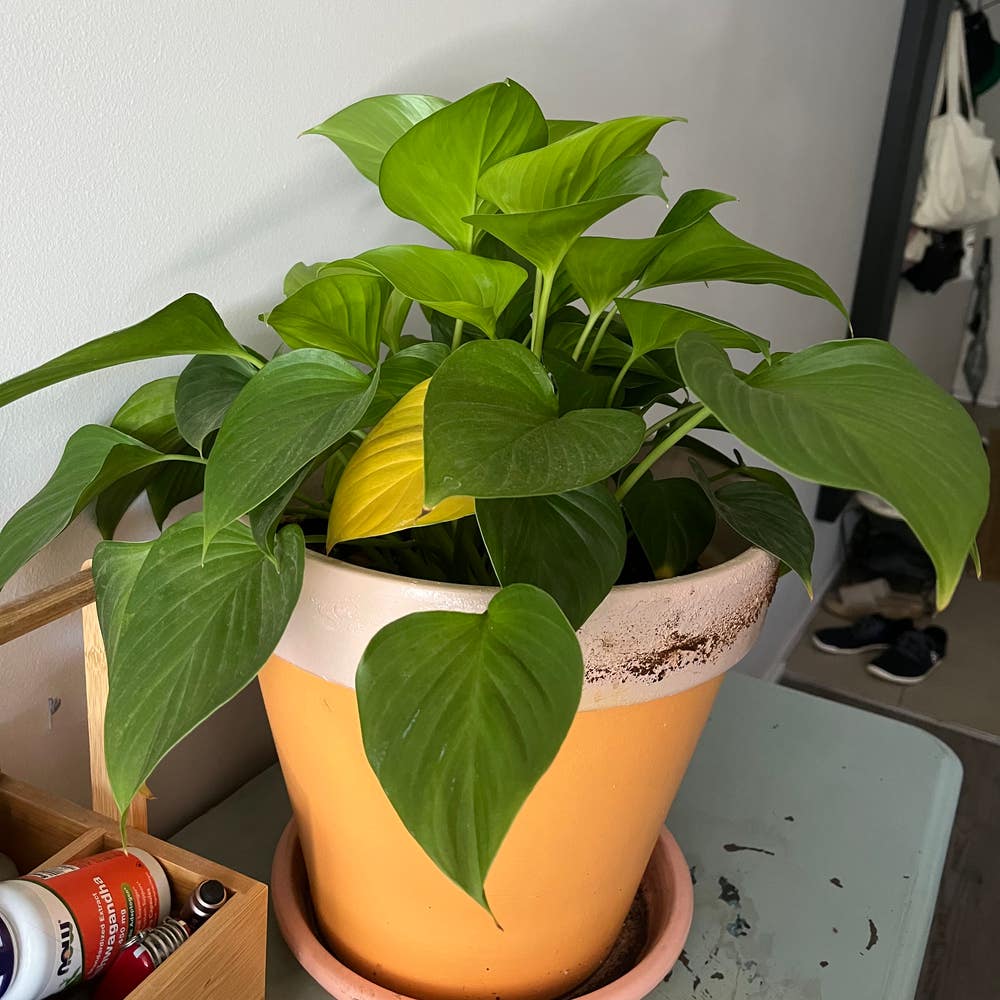
💎 Ultimate Guide to Emerald Gem Roots
Homalomena Selby
By the Greg Editorial Team
Nov 06, 2024•7 min read
This article was created with the help of AI so we can cover more plants for you. May contain errors. See one? Report it here.
- 🌱 Emerald Gem roots enhance nutrient absorption, promoting healthy plant growth.
- 💧 Proper watering prevents root rot; balance is key for thriving plants.
- 🌿 Healthy roots are white and firm; watch for signs of distress.
Characteristics of the Root System
Type and Benefits 🌱
Emerald Gem plants boast a fibrous root system, which is a game-changer for nutrient and water uptake. This type of root structure allows the plant to efficiently absorb essential resources, ensuring robust growth and vitality.
The adaptability of these roots is impressive. They thrive in various soil types, thanks to their shallow yet wide-spreading nature. This characteristic enables the Emerald Gem to establish itself in diverse environments, making it a resilient choice for gardeners.
Understanding these root characteristics is crucial for anyone looking to cultivate a healthy Emerald Gem. With the right care, you can harness the full potential of this remarkable plant.
As we delve deeper into the root system, we'll explore how root depth, spread, and growth patterns further influence the health and success of your Emerald Gem.
Root Depth, Spread, and Growth Patterns
🌱 Typical Root Depth and Spread
Emerald Gem plants typically have a shallow root depth, ranging from 6 to 12 inches. Their roots can spread impressively, extending up to 2 to 3 feet in diameter, allowing them to efficiently absorb nutrients and water.
Soil conditions and moisture availability play a significant role in root development. In well-drained soils, roots may spread more widely, while compacted or poor soils can restrict growth.
📈 Growth Patterns
Emerald Gem roots exhibit remarkable adaptability to varying environmental conditions. During drought, roots may grow deeper in search of moisture, while in wet conditions, they spread horizontally to maximize nutrient uptake.
Seasonal changes also influence root growth patterns. In spring and summer, roots actively expand, while in fall and winter, growth slows as the plant conserves energy. Understanding these patterns can help you provide better care for your Emerald Gem.
With this knowledge of root depth, spread, and growth patterns, you can ensure your plant thrives in its environment. Next, we will explore how to properly water, fertilize, and transplant your Emerald Gem for optimal health.
Watering, Fertilizing, and Transplanting
💧 Watering
The root system of the Emerald Gem significantly influences its watering needs. A wider root spread means the plant can absorb moisture from a larger area, but it also requires careful monitoring of watering frequency and amounts.
To determine the right watering schedule, consider the root spread and the moisture level of the soil. Signs of overwatering include yellowing leaves and root rot, while underwatering may lead to wilting and dry soil.
🌱 Fertilizing
Fertilization is crucial for maintaining root health and overall plant vitality. Using the right fertilizers and applying them at appropriate intervals can make a significant difference.
Opt for balanced fertilizers that provide essential nutrients like nitrogen, phosphorus, and potassium. Regular application, especially during the growing season, supports robust root development and enhances nutrient uptake.
🌍 Transplanting
Transplanting can be a delicate process, but with the right practices, you can minimize root disturbance. Timing is key; the best seasons for transplanting are typically spring or fall when the plant is less stressed.
Follow these steps for successful transplanting:
- Prepare the new location: Ensure the soil is well-draining and enriched.
- Gently remove the plant: Take care to keep the root ball intact.
- Replant at the same depth: This helps maintain the plant's stability and health.
By following these guidelines, you can ensure your Emerald Gem thrives in its new home.
As we move forward, understanding common root-related issues will further enhance your ability to care for this beautiful plant.
Common Root-Related Issues
Identification and Prevention 🌱
Root health is crucial for the overall vitality of your Emerald Gem. One of the most common issues is root rot, which occurs when roots sit in waterlogged soil.
Symptoms of root rot include yellowing leaves, wilting, and a foul odor emanating from the soil. The primary cause is overwatering, leading to a lack of oxygen for the roots.
Pests can also wreak havoc on root systems. Common pests include nematodes and fungus gnats, which can damage roots and hinder nutrient uptake. Signs of infestation often manifest as stunted growth or visible pests in the soil.
Solutions 🛠️
Preventing root-related issues starts with proper soil drainage. Ensure your potting mix allows excess water to escape, reducing the risk of root rot.
Regularly inspect your plant's roots during repotting or maintenance. Look for signs of decay or pests, and take action before problems escalate.
If you encounter root rot, the first step is to remove the affected roots. Trim away any mushy or discolored sections, and repot the plant in fresh, dry soil.
For pest infestations, consider using organic treatments like neem oil or insecticidal soap. These solutions can help eliminate pests without harming your plant.
By staying vigilant and proactive, you can maintain a healthy root system and ensure your Emerald Gem thrives.
Next, we’ll explore the differences between healthy and unhealthy roots, helping you recognize what to look for in your plants.
Healthy vs Unhealthy Roots
👀 Visual Cues
Healthy roots are the backbone of any thriving plant, including the Emerald Gem. Look for roots that are white and firm; this indicates they are actively absorbing nutrients and water.
In contrast, unhealthy roots exhibit troubling signs. If you notice roots that are brown, mushy, or emit a foul odor, it's a clear indication of decay. These roots may struggle to support the plant, leading to stunted growth and other issues.
🌱 Characteristics of Healthy Roots
- Color: Healthy roots should be a vibrant white, signaling good health.
- Texture: They should feel firm and resilient, indicating they can effectively anchor the plant and absorb nutrients.
🚫 Indicators of Unhealthy Roots
- Color: Brown roots often suggest rot or disease.
- Texture: If roots feel mushy, they are likely beyond recovery.
- Signs of Decay: Look for any visible damage or decay, which can compromise the entire plant's health.
Understanding these visual cues is essential for maintaining the vitality of your Emerald Gem. By regularly inspecting root health, you can catch problems early and ensure your plant continues to flourish.
Next, we will explore the concept of rootbound plants and how to identify and address this common issue.
Rootbound Plants
Definition and Signs 🌱
A rootbound plant occurs when its roots grow too densely within the pot, leading to a cramped environment. This condition can severely hinder the plant's growth and overall health.
Visual signs of rootbound plants include roots visibly growing out of the drainage holes. Additionally, you may notice stunted growth and wilting, even when the plant receives adequate care.
Addressing Rootbound Issues 🛠️
Recognizing when to intervene is crucial for maintaining plant health. If you observe the signs of rootbound conditions, it's time to take action.
To remedy rootbound issues, follow these steps:
- Repotting: Choose a larger pot to give the roots more space.
- Root Pruning: Trim away any excessively long or damaged roots to encourage new growth.
By addressing rootbound conditions promptly, you can revitalize your plant and promote healthy root development. This proactive approach ensures your Emerald Gem thrives in its environment.
Propagation and Division
🌱 Importance of Root Health
A healthy root system is crucial for successful propagation. Strong roots not only support the plant but also enhance its ability to establish and thrive in new environments.
When roots are robust, they absorb nutrients and water more efficiently, leading to vigorous growth. Conversely, weak or damaged roots can hinder a plant's development and overall health.
✂️ Techniques
Step-by-Step Guide for Dividing the Plant
Timing: The best time to divide your Emerald Gem is during the spring or early summer when the plant is actively growing. This timing helps minimize stress and encourages quick recovery.
Tools Needed: Gather clean, sharp tools for cutting. A sharp knife or garden shears will work well to ensure clean cuts that reduce the risk of infection.
Method: Carefully separate the roots without causing damage. Gently tease apart the root ball, ensuring that each division has a healthy portion of roots and foliage.
👍 Tips for Ensuring Successful Propagation
Soil Preparation: Use a well-draining potting mix to promote healthy root growth. This ensures that the roots have the necessary nutrients while preventing waterlogging.
Care Post-Division: After dividing, water the plants thoroughly and place them in a shaded area for a few days. This helps them acclimate and reduces transplant shock.
By following these steps, you can effectively propagate your Emerald Gem, ensuring that each new plant has the best chance for success.
As we explore the next section, we’ll delve into the common root-related issues that can arise and how to address them effectively.
⚠️ Safety First
This content is for general information and may contain errors, omissions, or outdated details. It is not medical, veterinary advice, or an endorsement of therapeutic claims.
Always consult a qualified healthcare professional before using any plant as food, medicine, or supplement.
Never eat any plant (or feed one to pets) without confirming its identity with at least two trusted sources.
If you suspect poisoning, call Poison Control (800) 222-1222, the Pet Poison Helpline (800) 213-6680, or your local emergency service immediately.
Spotted an error? Please report it here.
Unlock the secret to thriving Emerald Gem roots 🌿 with Greg's tailored watering alerts and expert care tips that will keep your plant flourishing!