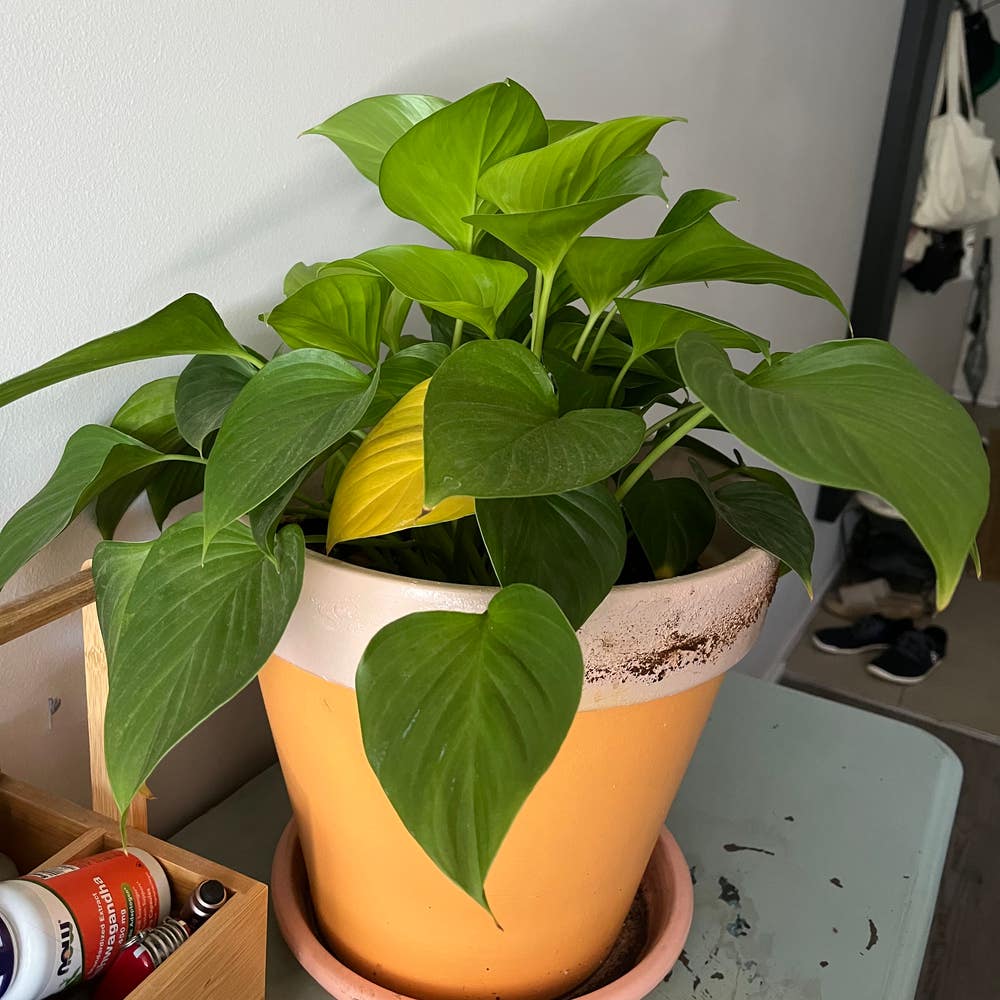
🔍 Ultimate Guide to Fixing Brown Spots on Homalomena
Homalomena Selby
By the Greg Editorial Team
Oct 21, 2024•6 min read
This article was created with the help of AI so we can cover more plants for you. May contain errors. See one? Report it here.
- 💧 Proper watering prevents brown spots; let soil dry 1-2 inches between waterings.
- 🌱 Nutrient deficiencies like nitrogen or potassium can cause brown spots; monitor closely.
- 🐜 Identify pests early; spider mites and aphids contribute to brown spots on Homalomena.
Diagnosing the Problem
💧 Watering Issues
Overwatering vs. Underwatering
Watering is a crucial factor in keeping your Homalomena healthy. Overwatering often shows up as yellowing leaves, a mushy texture, and persistent brown spots.
On the flip side, underwatering manifests as dry, crispy leaf edges and browning tips. To strike the right balance, allow the top 1-2 inches of soil to dry out between waterings.
🥦 Nutrient Deficiencies
Specific Nutrients and Their Effects
Nutrient deficiencies can also lead to brown spots. A nitrogen deficiency typically results in yellowing leaves and stunted growth.
Potassium deficiency shows up as brown spots on the leaf edges and tips, while magnesium deficiency leads to interveinal chlorosis, causing browning between the veins.
🐜 Pest Infestations
Common Pests Affecting Homalomena
Pests can wreak havoc on your plant's health. Spider mites leave fine webbing and stippled leaves, while aphids create sticky residue and distorted new growth.
To combat these pests, consider using neem oil, insecticidal soap, or introducing beneficial insects into your plant care routine.
🦠 Fungal and Bacterial Infections
Identifying Infections
Fungal and bacterial infections are serious concerns. Fungal leaf spots appear as brown spots with yellow halos, while bacterial leaf spots show water-soaked lesions that may ooze.
For treatment, remove affected leaves and apply appropriate fungicides to prevent further spread.
🌡️ Environmental Stress Factors
Light, Temperature, Humidity
Environmental conditions play a significant role in your plant's well-being. Homalomena prefers indirect light; too much direct sunlight can scorch its leaves.
The ideal temperature range is between 65°F to 80°F (18°C to 27°C). Additionally, this plant thrives in high humidity (60% or more), so consider using a humidifier to keep it happy.
Understanding these factors will help you diagnose and address the issues causing brown spots on your Homalomena. Next, let’s explore effective treatment options to restore your plant’s health.
Treatment Options
Step-by-Step Guide to Treating Brown Spots 🌱
- Identify the cause of brown spots. Understanding whether it's due to watering issues, nutrient deficiencies, pests, or infections is crucial.
- Adjust watering practices based on diagnosis. Ensure you're neither overwatering nor underwatering your Homalomena.
- Apply appropriate fertilizers for nutrient deficiencies. Use a balanced fertilizer to replenish any lacking nutrients.
- Treat pest infestations with recommended products. Address any pest issues promptly to prevent further damage.
- Use fungicides for fungal infections as necessary. Apply the right fungicide to combat any fungal threats effectively.
Recommended Products for Treatment 🛒
- Fungicides: Opt for copper-based or systemic fungicides to tackle fungal infections.
- Fertilizers: Choose balanced NPK fertilizers to correct nutrient deficiencies.
- Pest control: Neem oil or insecticidal soap are effective choices for managing pests.
Home Remedies for Minor Issues 🏡
- Diluted neem oil spray can help manage pest populations naturally.
- Epsom salt solution is a simple fix for magnesium deficiency.
- Regular misting increases humidity, benefiting your plant's overall health.
By following these treatment options, you can effectively address brown spots on your Homalomena. Next, let’s explore preventive measures to keep your plant thriving and healthy.
Preventive Measures
🌊 Best Practices for Watering Homalomena
Establishing a consistent watering schedule is crucial for your Homalomena's health. Water weekly during the growing season and switch to bi-weekly in winter.
To ensure you're not over or under-watering, regularly check the soil moisture. A moisture meter or a simple finger test can help you gauge when it's time to water.
🌫️ Ideal Humidity and Temperature Conditions
Homalomena thrives in high humidity, so maintaining moisture levels is key. Consider using pebble trays or humidifiers to create a suitable environment.
Temperature is equally important. Keep your plant away from drafts and heat sources to maintain a stable climate.
🌱 Nutrient Management and Fertilization Schedule
Fertilization plays a vital role in preventing brown spots. Aim to fertilize every 4-6 weeks during the growing season.
Opt for a balanced, water-soluble fertilizer to ensure your plant receives the nutrients it needs without overwhelming it.
🔍 Regular Inspection for Pests and Diseases
Regular inspections can save your plant from potential issues. Conduct weekly checks for signs of pests and diseases.
If you notice any problems, act immediately. Remove affected leaves and treat the plant accordingly to prevent further damage.
By following these preventive measures, you can keep your Homalomena healthy and vibrant. Next, let’s explore how seasonal changes can impact your plant care routine.
Seasonal Considerations
Seasonal Changes Affecting Brown Spots 🌦️
Understanding how the seasons impact your Homalomena is crucial for maintaining its health.
Spring brings increased growth, so it's essential to adjust your watering and humidity levels to support this surge.
Summer can be a tricky time; higher temperatures often lead to pest infestations. Keep a close eye on your plant to catch any issues early.
As fall approaches, growth naturally slows down, allowing you to reduce watering. This adjustment helps prevent overwatering, which can lead to brown spots.
In winter, maintaining humidity is vital to prevent leaf drop. Dry indoor air can stress your plant, leading to unsightly brown spots.
Adjusting Care Routines Based on Seasons 🔄
Modifying your care routine according to the seasons can make a significant difference.
During the growing season, increase your watering frequency to match the plant's needs.
In winter, consider using a humidifier or pebble trays to boost humidity levels. This simple adjustment can help your Homalomena thrive even in dry conditions.
By staying attuned to seasonal changes, you can effectively prevent and manage brown spots on your plant. This proactive approach ensures your Homalomena remains vibrant and healthy year-round.
Next, let’s explore some common misconceptions about brown spots and how to clarify care practices that may worsen the issue.
Common Misconceptions
Myths About Brown Spots on Homalomena 🐞
Many plant owners believe that brown spots on Homalomena are always a sign of pest infestations. While pests can certainly be a culprit, these spots can also arise from environmental stress or nutrient deficiencies.
Understanding this distinction is crucial for effective plant care. By recognizing that multiple factors can contribute to brown spots, you can take a more holistic approach to your plant's health.
Clarifying Care Practices That May Worsen the Issue 🚫
One common mistake is over-fertilization, which can lead to nutrient burn and, ironically, more brown spots. It's essential to apply fertilizers judiciously to avoid overwhelming your plant.
Inconsistent watering is another practice that can exacerbate brown spot issues. Fluctuations in moisture levels can stress your Homalomena, making it more susceptible to various problems.
By addressing these misconceptions and care practices, you can foster a healthier environment for your plant. This understanding sets the stage for better treatment and preventive measures moving forward.
⚠️ Safety First
This content is for general information and may contain errors, omissions, or outdated details. It is not medical, veterinary advice, or an endorsement of therapeutic claims.
Always consult a qualified healthcare professional before using any plant as food, medicine, or supplement.
Never eat any plant (or feed one to pets) without confirming its identity with at least two trusted sources.
If you suspect poisoning, call Poison Control (800) 222-1222, the Pet Poison Helpline (800) 213-6680, or your local emergency service immediately.
Spotted an error? Please report it here.
Keep your Homalomena spotless 🌿 by using Greg's tailored watering alerts and nutrient tips to tackle brown spots before they become a problem!