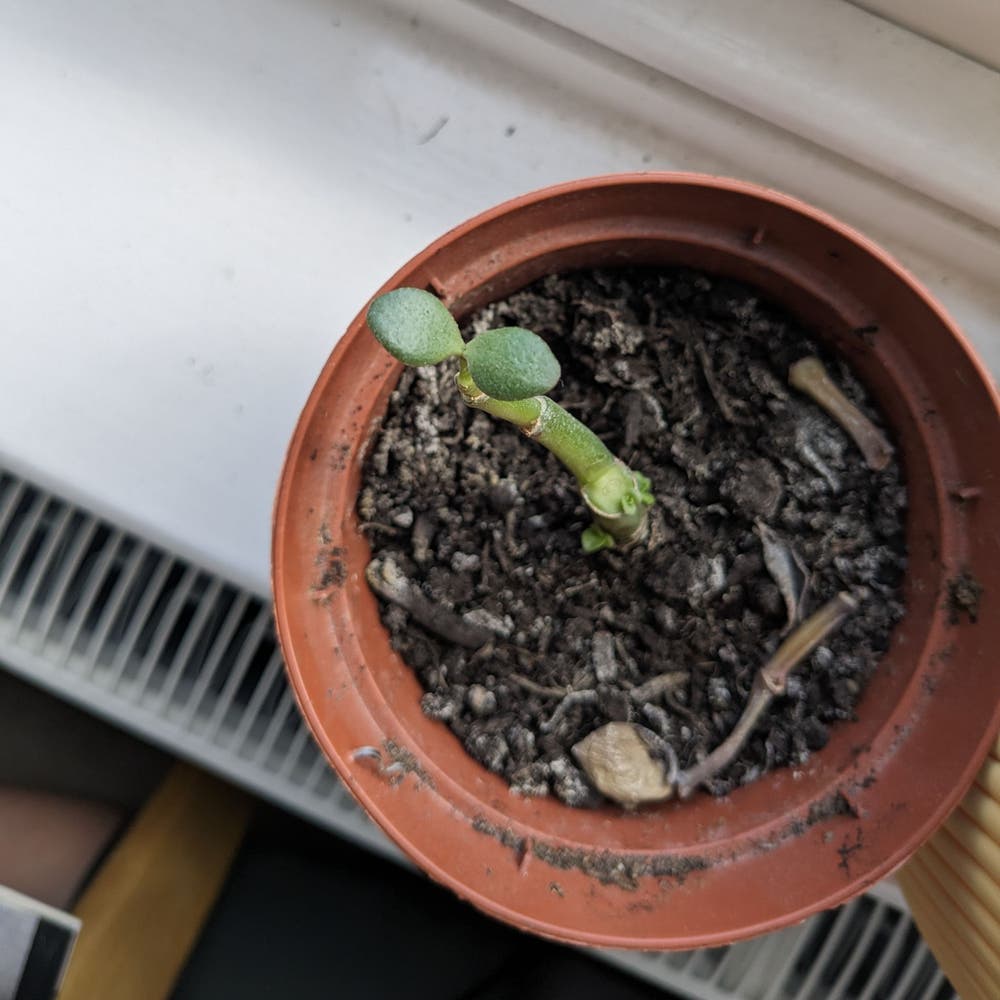
What Temperature Does My Crassula ovata 'Obliqua' Need?
Crassula ovata 'Obliqua'
By the Greg Editorial Team
Jun 18, 2024•4 min read
This article was created with the help of AI so we can cover more plants for you. May contain errors. See one? Report it here.
Discover the secret to a thriving Crassula ovata 'Obliqua' by mastering its ideal temperature range 🌡️🌿.
- Ideal temperature range: 65-75°F day, 50-55°F night.
- Protect from cold: Below 50°F can damage the succulent.
- Watch for distress signs: Wilting, discoloration, and leaf drop.
Dialing in the Perfect Temperature
🌡️ What's the magic number?
In the world of Crassula ovata 'Obliqua', the ideal temperature range is a daytime delight of 65-75°F (18-24°C). Come nightfall, these succulents appreciate a slight chill, with temperatures dipping to 50-55°F (10-13°C). This mimics their natural habitat, giving them a taste of home.
🥶 When the mercury drops: Understanding cold sensitivity
Beware the cold. Crassula ovata 'Obliqua' has a lower temperature limit of 50°F (10°C). Below this threshold, the risk of cold damage escalates. Frost is a foe that can cause tissue damage or even plant demise. Keep your succulent snug and away from drafts to avoid a cold-induced crisis.

Spotting the Signs of Temperature Trouble
🍁 Leaves telling tales: Recognizing distress signals
Wilting and discoloration are the Crassula ovata 'Obliqua's' version of a white flag. When leaves get crispy, it's a sign they're baking in too much heat. Conversely, mushy spots whisper of a chill that's more than this succulent can handle.
🚨 Beyond the leaf: Other SOS signals from your Crassula
Stunted growth is a red flag, indicating your plant might be under temperature-related stress. Leaves that seem to have lost their zest for life, turning brown or black at the tips and edges, are not trying out a new look—they're in distress. If you notice a sudden leaf-drop, it's time to reassess your temperature strategy.
Leaf drop and stunted growth are the Crassula's version of sending an SOS. Darkened leaves or brown spots aren't a new variegation trend; they're a cry for help. Keep an eye out for these visual cues to ensure your Crassula ovata 'Obliqua' remains a happy camper.

Keeping the Heat Just Right
🌡️ Common culprits of temperature swings
Drafts and direct heat sources are the sneaky villains in the tale of temperature stability. Think of drafty windows and doors as the open gates to a fortress, letting in unwanted cold or heat. Radiators and air vents? They're the unpredictable characters, sometimes too hot to handle, other times leaving you in the cold.
🛡️ Your action plan: Preventing temperature stress
Steady vigilance is your mantra. Keep a reliable thermostat at hand, and consider it your plant's personal weather station. Insulation is your friend; it's like giving your plant a protective hug against the whims of Mother Nature. When the temperature drops, think bubble wrap or plant cloches, not just for shipping valuables, but for shielding your green treasures.
Acclimatization is key. Introduce your Crassula to new environments gradually, avoiding the shock of sudden changes. And remember, your watering schedule should dance in step with the temperature—more hydration in heat, less in cool.
Lastly, keep your green buddy away from the drama of temperature swings. Find that Goldilocks zone—not too hot, not too cold, just right. If your living space feels like a rollercoaster, consider a heating or cooling solution to maintain that zen-like stability. Your Crassula will thank you, silently, with its vibrant growth.

When the Air Around Matters (Just a Little)
💦 A quick note on humidity's supporting role
Humidity is the sidekick to temperature in the epic saga of plant care. For Crassula ovata 'Obliqua', it's not about turning your home into a tropical greenhouse or a desert wasteland; it's about finding that sweet spot.
Ideal humidity levels for these succulents hover around 40-50%. This range strikes a balance, preventing the leaves from becoming as dry as yesterday's toast while also avoiding a moldy mess.
Hygrometers aren't just for weather buffs; they're a plant parent's pal. Monitoring your room's humidity can be as crucial as remembering to water your green buddy.
Airflow matters too. It's not about creating a wind tunnel but promoting gentle circulation to keep things fresh. Think of it as your plant's personal breathing space.
Remember, while humidity plays a supporting role, it's a cast member that can't be ignored. Keep it in check, and your Crassula ovata 'Obliqua' won't throw a fit.
⚠️ Safety First
This content is for general information and may contain errors, omissions, or outdated details. It is not medical, veterinary advice, or an endorsement of therapeutic claims.
Always consult a qualified healthcare professional before using any plant as food, medicine, or supplement.
Never eat any plant (or feed one to pets) without confirming its identity with at least two trusted sources.
If you suspect poisoning, call Poison Control (800) 222-1222, the Pet Poison Helpline (800) 213-6680, or your local emergency service immediately.
Spotted an error? Please report it here.
Ensure your Crassula ovata 'Obliqua' flourishes by letting Greg's custom alerts 🌡 keep your plant's environment perfectly balanced for vibrant growth.