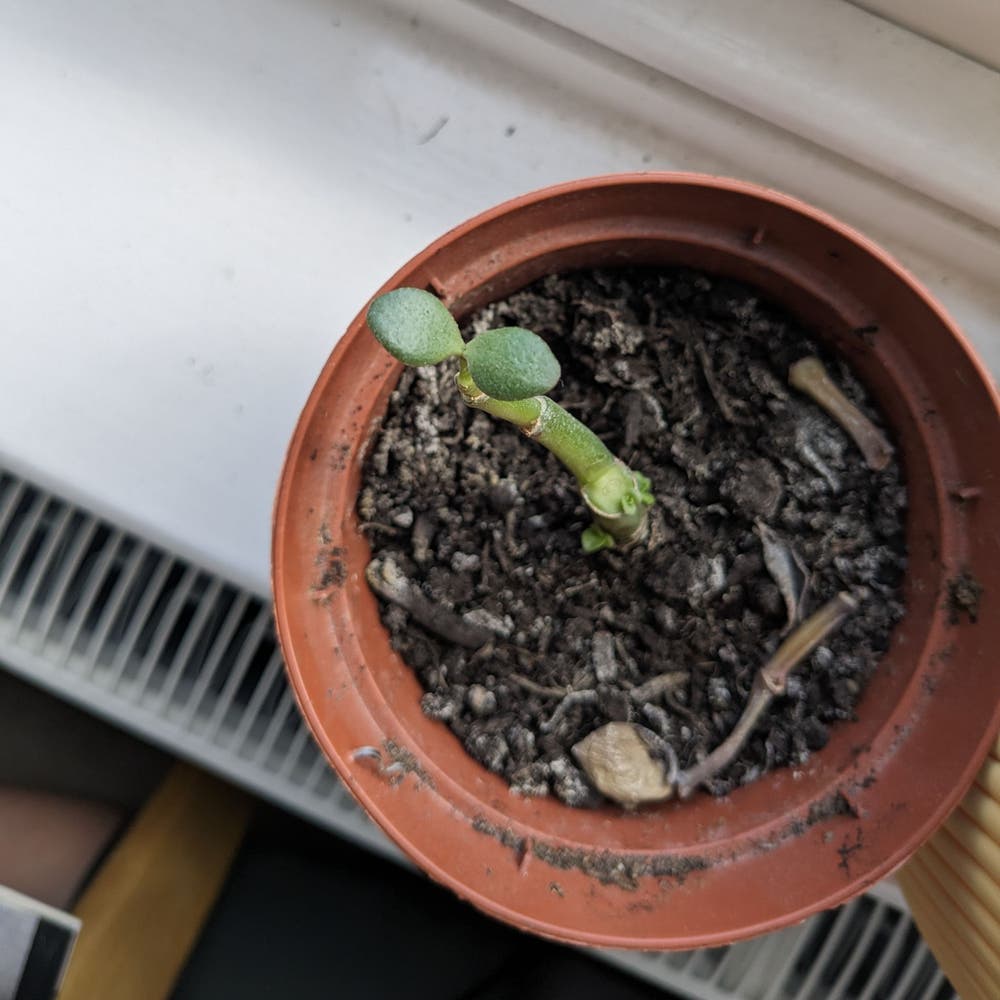
When and How to Repot Jade Plant 🪴
Crassula ovata 'Obliqua'
By the Greg Editorial Team
Nov 07, 2024•6 min read
This article was created with the help of AI so we can cover more plants for you. May contain errors. See one? Report it here.
Unlock your jade plant's full potential 🌱 by learning the essential signs and perfect timing for repotting!
- 🌱 Repot jade plants every 2-3 years to prevent root-bound issues and promote growth.
- 🌼 Best time to repot is spring when jade plants are actively growing and thriving.
- 🏺 Choose a pot 1-2 inches larger to ensure adequate space for healthy root development.
Signs that Your Jade Plant Needs Repotting
Physical Indicators 🌱
Recognizing when your jade plant needs repotting is crucial for its health. One of the most telling signs is a root-bound condition, where roots start growing out of the drainage holes.
Another indicator is stunted growth; if your jade isn't producing new leaves or seems to be growing slower than usual, it might be time for a new pot. Additionally, check the soil—if it appears compacted or depleted of nutrients, that’s a clear sign your plant needs more space.
Environmental Factors 🌍
Environmental factors can also signal the need for repotting. If you find yourself watering frequently because the soil dries out too quickly, your jade plant may require more room for its roots to spread.
Lastly, keep an eye on the leaves. If they’re dropping or wilting despite your best care, it could indicate stress from being root-bound or needing fresh soil.
By staying attuned to these signs, you can ensure your jade plant thrives in its environment. Next, let’s explore the ideal timing for repotting to maximize your plant's growth potential.
Ideal Timing for Repotting
🌱 Seasonal Considerations
Timing is everything when it comes to repotting your jade plant. The best time to make the move is during spring or early summer, as this is when the plant is actively growing and can recover quickly from the transition.
Avoid repotting during dormancy, which typically occurs in late fall to winter. During this period, the jade plant is less active and may struggle to adapt to a new environment.
📅 Frequency of Repotting
As a general guideline, aim to repot your jade plant every 2-3 years. This helps ensure that it has enough space to grow and thrive.
Keep an eye out for signs of being root-bound, such as roots growing out of the drainage holes. Larger varieties of jade plants may require more frequent repotting, so adjust your schedule based on their growth patterns.
Understanding the right timing and frequency for repotting will set your jade plant up for success. With the right care, it can flourish and bring beauty to your space.
Next, let’s explore the step-by-step guide to repotting your jade plant effectively.
Step-by-Step Guide to Repotting Jade Plant
Repotting your jade plant can seem daunting, but with the right approach, it’s a straightforward process. Here’s how to do it effectively.
🛠️ Preparation Before Repotting
Gather Materials: Start by collecting your new pot, succulent potting soil, and essential tools like a trowel and gloves. Having everything ready will streamline the process.
Choose the Right Pot Size: Select a pot that is 1-2 inches larger in diameter than the current one. This extra space allows for healthy root growth without overwhelming the plant.
🌱 Repotting Process
Remove the Jade Plant from Its Current Pot: Carefully loosen the soil around the roots to avoid damage. Gently pull the plant out, ensuring you don’t break any roots.
Trim Any Damaged or Rotten Roots: Use clean, sharp scissors to cut away any unhealthy roots. This step is crucial for promoting new growth.
Place a Layer of Fresh Potting Soil in the New Pot: Add a layer of soil to the bottom of the new pot. This provides a stable base for your jade plant.
Position the Plant: Center your jade plant in the new pot and fill in around it with soil. Make sure all roots are covered but avoid packing the soil too tightly.
Water Lightly: After repotting, moisten the soil without soaking it. This helps settle the plant in its new home while preventing overwatering.
Repotting your jade plant not only gives it a fresh start but also enhances its growth potential. With these steps, you’ll ensure your plant thrives in its new environment. Next, let’s explore the best pot materials for jade plants to further enhance their care.
Best Pot Materials for Jade Plant
🏺 Recommended Materials
Choosing the right pot material for your jade plant is crucial for its health. Here are the top options:
- Ceramic pots: These are visually appealing and help retain moisture, making them a popular choice.
- Terracotta pots: Known for their excellent drainage and air circulation, they are ideal for jade plants that prefer drier conditions.
- Plastic pots: Lightweight and budget-friendly, but they can retain too much moisture if not monitored closely.
⚖️ Pros and Cons of Each Pot Material
Understanding the advantages and disadvantages of each pot material can help you make an informed decision.
- Ceramic: Durable and aesthetically pleasing, but they can be heavy and may crack in extreme temperatures.
- Terracotta: Breathable and great for preventing overwatering, but they dry out quickly, requiring more frequent watering.
- Plastic: Versatile and affordable, yet they can lead to overwatering if drainage holes are insufficient.
Choosing the right pot material can significantly impact your jade plant's growth and overall health. By considering these factors, you can create an optimal environment for your plant to thrive.
Next, let's explore some common mistakes to avoid when repotting your jade plant.
Common Repotting Mistakes
💧 Overwatering After Repotting
One of the most common mistakes when repotting a jade plant is overwatering. This can lead to root rot, a serious condition that stresses the plant and can ultimately kill it.
To avoid this, water lightly after repotting. Ensure the soil is just moist, not soaked, to give your jade plant a chance to adjust to its new home.
🪴 Choosing the Wrong Pot Size
Selecting the right pot size is crucial for your jade plant's health. A pot that's too large can retain excess moisture, leading to root rot, while a pot that's too small can restrict growth and cause the plant to become root-bound.
Aim for a pot that is 1-2 inches larger in diameter than the current one. This provides enough room for growth without overwhelming the roots.
🔍 Ignoring Root Health During Repotting
Neglecting to inspect and trim the roots during repotting is another common pitfall. Healthy roots are essential for a thriving plant, and damaged or rotten roots can hinder growth.
Before placing your jade plant in its new pot, take a moment to check the roots. Trim away any unhealthy sections to promote better health and growth.
By avoiding these common mistakes, you can ensure your jade plant thrives in its new environment. Next, let’s explore the best pot materials for your jade plant to enhance its growth and aesthetic appeal.
⚠️ Safety First
This content is for general information and may contain errors, omissions, or outdated details. It is not medical, veterinary advice, or an endorsement of therapeutic claims.
Always consult a qualified healthcare professional before using any plant as food, medicine, or supplement.
Never eat any plant (or feed one to pets) without confirming its identity with at least two trusted sources.
If you suspect poisoning, call Poison Control (800) 222-1222, the Pet Poison Helpline (800) 213-6680, or your local emergency service immediately.
Spotted an error? Please report it here.
Ensure your jade plant thrives in its new pot by mastering the repotting process with Greg's custom reminders and expert tips! 🌿