🐢 How Long Your Jade Plant Will Live
Crassula ovata 'Obliqua'
By the Greg Editorial Team
Sep 29, 2024•5 min read
This article was created with the help of AI so we can cover more plants for you. May contain errors. See one? Report it here.
Nurture your jade plant through its growth stages 🌱 and enjoy a thriving, long-lasting companion in your home!
- 🌱 Jade plants live 10-20 years with proper care, making them long-term companions.
- 🌼 Flowering starts after 3-4 years, showcasing a healthy, thriving jade plant.
- 💧 Balanced watering is crucial; overwatering leads to root rot, while underwatering slows growth.
Stages of Growth
🌱 Germination Stage
Germination is the first exciting step in your jade plant's life. It typically takes 2-3 weeks under optimal conditions, which include warm temperatures between 20-25°C (68-77°F) and well-draining soil.
During this stage, you'll notice the emergence of cotyledons, the plant's first leaves, alongside initial root development. These early signs are crucial as they set the foundation for future growth.
🌿 Seedling Stage
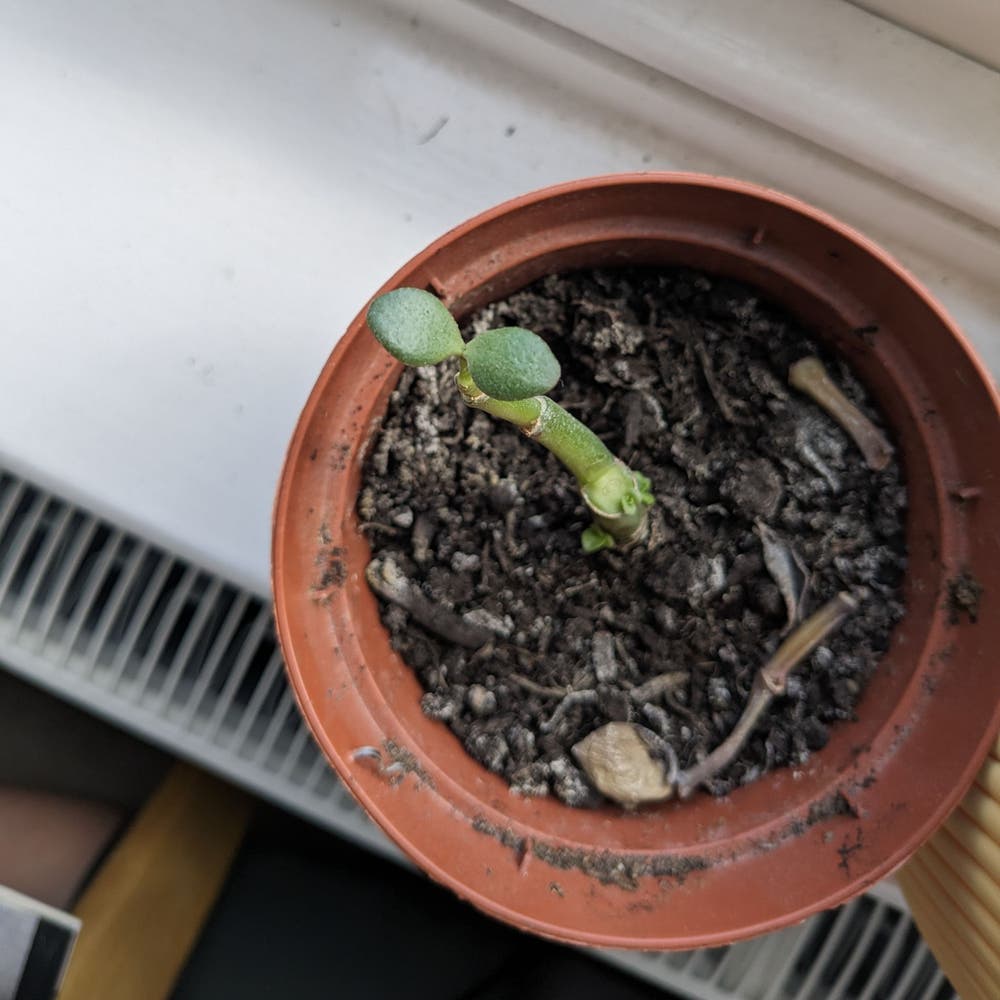
Once germination is complete, your jade plant enters the seedling stage, lasting about 4-8 weeks. This phase requires attentive care to ensure the seedlings establish themselves properly.
Healthy seedlings exhibit firm, upright stems and bright green, fleshy leaves. These characteristics indicate that your plant is thriving and ready for the next phase.
🌳 Vegetative Growth Stage
The vegetative growth stage can last several months to years, depending on environmental conditions. During this time, your jade plant will undergo significant changes.
You'll see leaf thickening and enlargement, along with the development of branching patterns. These changes signal that your plant is maturing and preparing for the next stages of its life.
🌼 Flowering Stage
After about 3-4 years, your jade plant may enter the flowering stage. This is a remarkable milestone, as it indicates the plant's maturity.
Expect to see small, star-shaped flowers in clusters. These blooms not only attract pollinators but also signify a healthy, thriving plant.
🌱 Seed Production Stage
Following flowering, the jade plant can enter the seed production stage, which takes about 2-3 months for seed development. This is an exciting time, as your plant can now reproduce.
The seeds can remain viable for several years, offering various propagation methods. You can sow them in well-draining soil, or opt for cuttings, which are also a popular choice among jade plant enthusiasts.
As your jade plant progresses through these stages, it becomes a testament to your care and dedication. Each phase brings unique changes and challenges, setting the stage for a long and fruitful life. Next, we’ll explore the lifespan and maturation of your jade plant.
Lifespan and Maturation
The average lifespan of a Jade Plant is impressive, typically ranging from 10 to 20 years when given proper care. This longevity makes them not just a plant but a long-term companion in your home.
⏳ Time to Full Maturity
So, how long does it take for a Jade Plant to reach its full potential? Generally, you can expect it to mature in about 3 to 5 years. During this time, you'll witness its transformation into a robust, thriving plant.
🌱 Caring for Longevity
To ensure your Jade Plant lives a long and healthy life, focus on providing optimal conditions. This includes adequate sunlight, well-draining soil, and careful watering practices.
❤️ A Commitment Worth Making
Investing time and care into your Jade Plant can yield a rewarding experience. Not only will you enjoy its beauty, but you'll also cultivate a sense of accomplishment as you nurture it through its life stages.
As we explore the notable changes throughout its life cycle, you'll see just how dynamic and fascinating this plant can be.
Notable Changes Throughout Life Cycle
🌱 Germination Stage
During the germination stage, your jade plant begins its journey with the emergence of initial roots and leaves. This is a crucial time, as the plant establishes its foundation for future growth.
🌿 Seedling Stage
As the plant transitions to the seedling stage, you’ll notice thicker leaves and sturdier stems developing. This growth signifies that your jade plant is gaining strength and resilience.
🌳 Vegetative Growth Stage
In the vegetative growth stage, the jade plant experiences a burst of activity. Expect to see increased branching and larger leaves, which indicate that the plant is thriving and maturing.
🌼 Flowering Stage
Finally, in the flowering stage, your jade plant may surprise you with small, star-shaped flowers and seed capsules. This beautiful display not only marks maturity but also attracts pollinators, showcasing the plant's health.
These notable changes throughout the life cycle of a jade plant reflect its growth and adaptability. Understanding these stages can enhance your care and appreciation for this resilient plant.
Growth Rate and Environmental Factors
How Fast Does Jade Plant Grow? 🌱
The average growth rate of a jade plant is about 2-3 inches per year under optimal conditions. This steady growth can be quite rewarding for plant enthusiasts.
Impact of Light on Growth Rate 💡
Light plays a crucial role in the growth of jade plants. More light accelerates growth, while insufficient light can stunt it, leading to leggy, weak stems.
Watering Considerations 🚰
Watering is another vital factor. Overwatering can cause root rot, while underwatering may slow growth significantly. Striking the right balance is key.
Importance of Soil 🌍
Well-draining soil is essential for healthy jade plant growth. It prevents water accumulation, which can be detrimental to the roots.
Seasonal Variations in Growth 🍂
Jade plants experience seasonal growth variations. In spring and summer, they enter an active growth period, while fall and winter bring dormancy and a reduced growth rate.
Understanding these factors can help you nurture your jade plant effectively. With the right care, you can enjoy a thriving, vibrant plant for years to come.
⚠️ Safety First
This content is for general information and may contain errors, omissions, or outdated details. It is not medical, veterinary advice, or an endorsement of therapeutic claims.
Always consult a qualified healthcare professional before using any plant as food, medicine, or supplement.
Never eat any plant (or feed one to pets) without confirming its identity with at least two trusted sources.
If you suspect poisoning, call Poison Control (800) 222-1222, the Pet Poison Helpline (800) 213-6680, or your local emergency service immediately.
Spotted an error? Please report it here.
Your jade plant can thrive for 10 to 20 years 🌿 with Greg's tailored watering alerts and growth tips, ensuring you enjoy its beauty through every stage of its life!