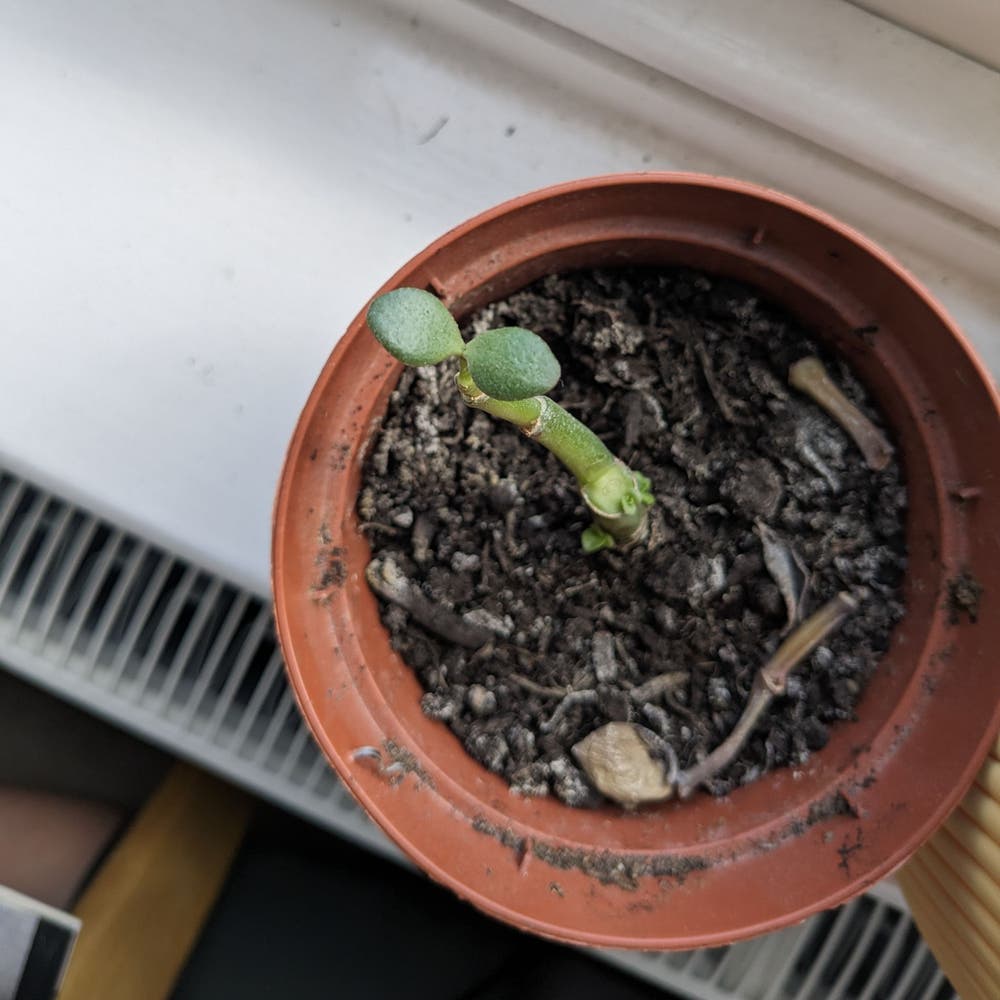
🌸 Step-by-Step Guide to Fixing Flower Issues in Jade Plant
Crassula ovata 'Obliqua'
By the Greg Editorial Team
Sep 29, 2024•3 min read
This article was created with the help of AI so we can cover more plants for you. May contain errors. See one? Report it here.
Transform your Jade Plant into a blooming beauty 🌸 by mastering solutions to common flowering problems!
- 🌞 Jade Plants need 4-6 hours of bright, indirect sunlight for optimal blooming.
- 🌱 Nutritional deficiencies and imbalances can hinder flower development; use balanced fertilizer.
- 🌿 Consistent care and stable conditions are essential for thriving blooms and plant health.
Common Flowering Problems
🌸 Failure to Bloom
Potential Causes
Light plays a crucial role in a Jade Plant's ability to bloom. Insufficient light can significantly hinder the bloom cycle, preventing those beautiful flowers from emerging.
Nutrition is another key factor. A lack of essential nutrients may stall flower development, leaving your plant looking healthy but flowerless.
Age can also impact blooming capacity. Older plants may naturally have reduced blooming potential, which can be frustrating for dedicated gardeners.
Solutions
To encourage blooming, adjust the light conditions. Ensure your Jade Plant receives at least 4-6 hours of bright, indirect sunlight daily.
Fertilization is equally important. Use a balanced fertilizer during the growing season to enhance nutrient availability, giving your plant the boost it needs to flower.
🌼 Premature Flower Drop
Causes
Stress factors can lead to premature flower drop. Environmental stressors, such as temperature fluctuations, can cause buds to fall before they fully develop.
Watering issues also contribute to this problem. Inconsistent watering practices can stress the plant, leading to unwanted bud drop.
Solutions
Consistent care is essential. Maintain a regular watering schedule, allowing the soil to dry out between waterings to keep your plant happy.
Environmental adjustments can also help. Stabilize temperature and humidity levels to reduce stress and promote healthy blooms.
🌺 Abnormal Flower Development
Causes
Pest infestations can wreak havoc on flower quality. Pests like aphids or mealybugs may damage flowers, leading to abnormal development.
Nutrient imbalance is another culprit. An excess or deficiency of specific nutrients can result in flowers that don't look quite right.
Solutions
For pest control, implement organic methods. Consider using neem oil or insecticidal soap to keep those pesky invaders at bay.
Proper fertilization is crucial as well. Ensure a balanced nutrient supply tailored for flowering plants to promote healthy blooms.
🌞 Environmental Factors
Light Requirements
Light is essential for triggering the bloom cycle. It promotes healthy flower development, so getting this right is key.
Be mindful of the effects of too much or too little light. Excessive light can scorch leaves, while insufficient light can prevent blooming altogether.
Nutritional Needs
Key nutrients, particularly phosphorus and potassium, support flower production. These elements are vital for a thriving Jade Plant.
Recommended fertilizers should be high in phosphorus during the blooming season. Apply every 4-6 weeks for optimal results.
✂️ Pruning Techniques
How Pruning Affects Flowering
Proper pruning can significantly encourage new growth. This new growth often leads to more blooms, making it a valuable practice for any gardener.
Best Practices for Pruning
Prune after flowering to promote healthy growth. This practice also helps remove any dead or damaged stems, keeping your Jade Plant in top shape.
With these insights, you can tackle common flowering problems in your Jade Plant effectively. Next, let’s explore specific strategies to ensure your plant thrives year-round.
⚠️ Safety First
This content is for general information and may contain errors, omissions, or outdated details. It is not medical, veterinary advice, or an endorsement of therapeutic claims.
Always consult a qualified healthcare professional before using any plant as food, medicine, or supplement.
Never eat any plant (or feed one to pets) without confirming its identity with at least two trusted sources.
If you suspect poisoning, call Poison Control (800) 222-1222, the Pet Poison Helpline (800) 213-6680, or your local emergency service immediately.
Spotted an error? Please report it here.
Unlock your Jade Plant's blooming potential 🌱 with Greg's personalized care tips and reminders, ensuring your plant thrives with vibrant flowers all season long!