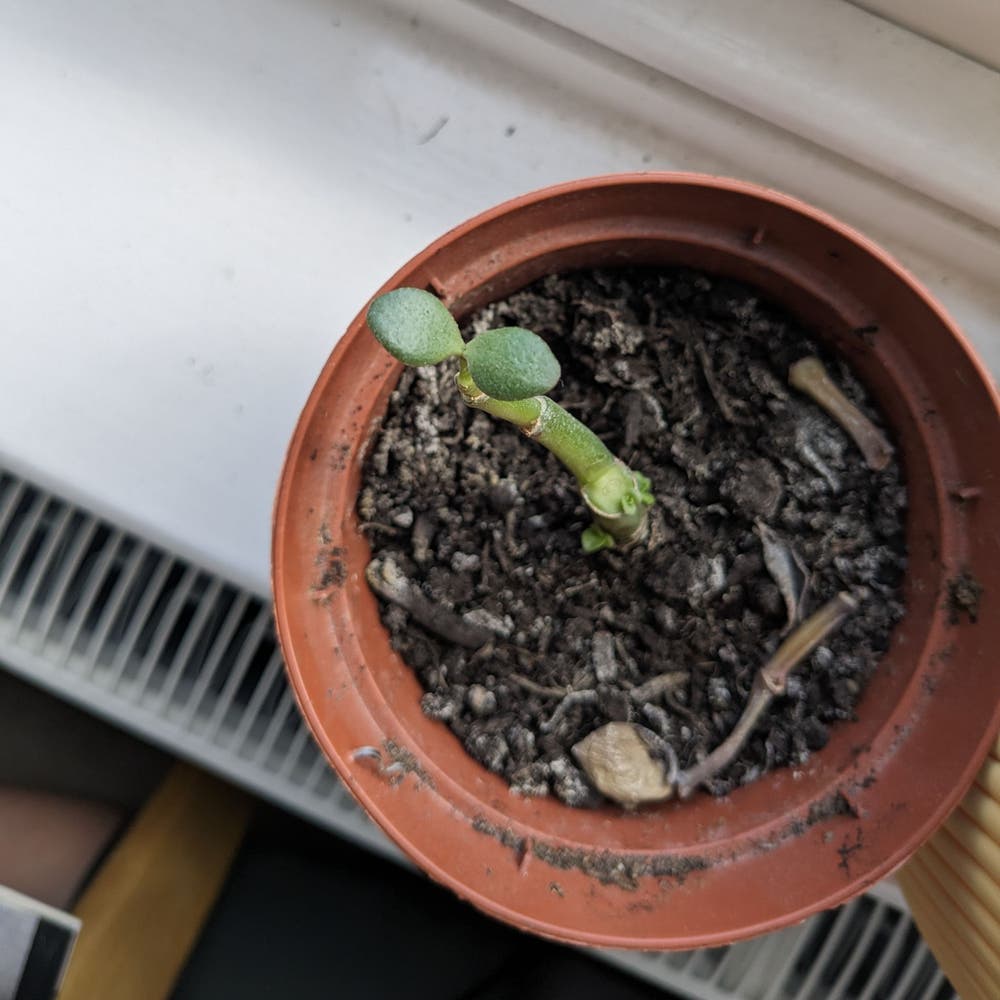
Ultimate Guide to Fixing Dropping Leaves on Jade Plant 💰
Crassula ovata 'Obliqua'
By the Greg Editorial Team
Sep 29, 2024•7 min read
This article was created with the help of AI so we can cover more plants for you. May contain errors. See one? Report it here.
Revive your jade plant from leaf drop with essential care tips for a thriving, vibrant garden! 🌿
- 💧 Overwatering and underwatering are primary causes of leaf drop in jade plants.
- 🌞 Bright, indirect sunlight is essential; insufficient light leads to weak growth and leaf drop.
- 🐛 Regular pest inspections prevent stress and damage, keeping jade plants healthy.
Causes of Leaf Drop
💧 Overwatering and Its Effects
Overwatering is a common issue for jade plants, leading to yellowing leaves, mushy stems, and ultimately, leaf drop. This excess moisture can cause root rot, severely impacting root health by decreasing oxygen availability.
Well-draining soil is crucial to prevent waterlogging. Without it, the roots can suffocate, leading to further complications.
🚰 Underwatering and Its Symptoms
On the flip side, underwatering can also cause leaf drop. Signs include wrinkled, shriveled leaves that may become brittle and fall off.
Consistent watering practices are essential to keep your jade plant healthy. A lack of moisture can quickly lead to distress.
🌡️ Environmental Stress Factors
Temperature
Jade plants thrive in temperatures between 65°F to 75°F (18°C to 24°C). Extreme temperatures can trigger leaf drop, whether from heat stress or cold shock.
Maintaining a stable environment is key to preventing these issues.
💡 Light
Bright, indirect sunlight is ideal for jade plants. Insufficient light can lead to etiolation, where the plant stretches for light, resulting in weak growth and leaf drop.
Ensure your plant is getting the light it needs for optimal health.
🐛 Pest Infestations
Common Pests
Pests like mealybugs and spider mites can wreak havoc on jade plants. Mealybugs appear as white, cotton-like clusters, while spider mites leave fine webbing and stippled leaves.
These pests stress the plant, leading to leaf drop as they feed and damage the foliage.
🍃 Impact on Leaf Health
The stress from pest infestations can significantly affect leaf health. Continuous feeding can weaken the plant, making it more susceptible to dropping leaves.
Regular monitoring is essential to catch these issues early.
🌱 Nutrient Deficiencies
Nutrient deficiencies can also lead to leaf drop. A lack of essential nutrients weakens the plant, resulting in pale leaves and poor growth.
Fertilizing appropriately can help maintain your jade plant's vitality.
Diagnosing Leaf Drop Issues
🌊 Identifying Signs of Overwatering
Overwatering is a common culprit for jade plant leaf drop. Look for visual cues like yellowing leaves and soggy soil, which indicate excess moisture.
Inspect the roots as well; mushy, brown roots are a clear sign of root rot. If you notice these symptoms, it’s time to reassess your watering habits.
💧 Recognizing Underwatering Symptoms
On the flip side, underwatering can also lead to leaf drop. Signs include wrinkled leaves and dry soil, indicating that your jade plant is thirsty.
Brittle and crispy leaves are another red flag. If your plant looks like it’s been through a drought, it’s time to give it some water.
🐛 Checking for Pests and Diseases
Regular inspections are crucial for maintaining a healthy jade plant. Look for signs of pests on leaves and stems, such as mealybugs or spider mites.
Additionally, be on the lookout for diseases like fungal infections. Catching these issues early can save your plant from significant damage.
☀️ Assessing Environmental Conditions
Light
Evaluating light exposure is essential for your jade plant's health. Ensure it receives adequate indirect sunlight, as too little light can lead to leaf drop.
Temperature
Monitoring temperature is equally important. Keep your jade plant within the ideal range of 65°F to 75°F (18°C to 24°C) to avoid stress from extreme temperatures.
By diagnosing these issues effectively, you can take the necessary steps to revive your jade plant and prevent further leaf drop. Next, let’s explore solutions to address these problems head-on.
Solutions for Leaf Drop
💧 Adjusting Watering Practices
Establishing a consistent watering schedule is crucial. Water your jade plant when the top inch of soil feels dry to the touch.
To check soil moisture effectively, consider using a moisture meter or simply stick your finger into the soil. This ensures you’re not over or under-watering.
🕳️ Improving Soil Drainage
Choosing the right soil mix can make all the difference. A cactus mix or a blend of potting soil and perlite is highly recommended for jade plants.
Additionally, ensure your pot has drainage holes. This prevents water from accumulating and causing root rot.
🐛 Treating Pest Infestations
Identifying pests early is key to maintaining plant health. Use insecticidal soap or neem oil to treat infestations effectively.
After treatment, keep a close eye on your plant. Regular monitoring helps catch any re-infestation before it becomes a bigger issue.
🌱 Fertilizing Appropriately
Fertilizing your jade plant is essential for its growth. Aim to fertilize every 4-6 weeks during the growing season.
Opt for balanced, water-soluble fertilizers that are suitable for succulents. This provides the nutrients your plant needs without overwhelming it.
🌤️ Creating Optimal Environmental Conditions
Maintaining ideal humidity levels is vital. Keep humidity low to prevent fungal issues that can lead to leaf drop.
Also, consider adjusting light exposure. If your plant isn’t thriving, moving it to a brighter location can make a significant difference.
By implementing these solutions, you can effectively address leaf drop issues and promote a healthier jade plant. Next, let’s explore preventative measures to keep your plant thriving long-term.
Preventative Measures
Best Practices for Watering 🌊
Watering your jade plant requires a bit of finesse. Adjust your watering frequency based on seasonal changes and the size of your plant to keep it thriving.
Look for signs of proper watering: the soil should dry out between sessions. This balance helps prevent both overwatering and underwatering, which are common culprits of leaf drop.
Ideal Soil Mix 🪴
A well-draining soil mix is crucial for jade plants. Combine potting soil with added perlite or sand to ensure excess water drains away effectively.
Don’t forget the importance of repotting! Refreshing the soil every 1-2 years keeps nutrients available and supports healthy growth.
Seasonal Care Tips ❄️
As seasons change, so should your care routine. In winter, jade plants need less frequent watering due to lower light and cooler temperatures.
Keep an eye on light exposure during shorter days. Ensuring your plant receives adequate indirect sunlight will help it stay healthy and vibrant.
Regular Inspection for Pests and Diseases 🔍
Make it a habit to inspect your jade plant every few weeks. Regular checks can help you spot pests or diseases before they become serious issues.
Early intervention is key. Addressing problems promptly can save your plant from significant stress and potential leaf drop.
By following these preventative measures, you can create a nurturing environment for your jade plant, setting the stage for healthy growth and resilience. Next, let’s explore effective recovery techniques to revive a jade plant that’s already showing signs of distress.
Recovery Techniques
🌱 Steps to Revive a Jade Plant
Reviving a jade plant starts with identifying the cause of leaf drop. Whether it's overwatering, underwatering, or pest issues, pinpointing the problem is crucial.
Next, adjust your care practices accordingly. This may involve modifying your watering schedule or improving environmental conditions to better suit your plant's needs.
Finally, monitor closely for changes. Look for new growth as a positive sign that your jade plant is on the mend.
✂️ When to Prune Affected Leaves
Timing is key when it comes to pruning. Only prune leaves that are severely damaged or yellowing to encourage healthy growth.
Use clean, sharp scissors for the best results. This minimizes the risk of introducing diseases to your plant.
🌿 Re-potting Techniques
Re-potting may be necessary if your jade plant is root-bound or the soil has degraded. This ensures your plant has enough room to grow and access fresh nutrients.
To re-pot, gently remove the plant from its current pot, refresh the soil, and place it in a slightly larger pot. This simple step can make a world of difference.
👀 Monitoring Recovery Progress
Keep an eye out for signs of improvement, such as new leaf growth and vibrant color. These indicators show that your jade plant is recovering well.
Remember, patience is essential. Recovery may take time, especially depending on the severity of the initial issue.
With these techniques, you can help your jade plant bounce back and thrive once again. Next, let’s explore preventative measures to keep your plant healthy in the long run.
⚠️ Safety First
This content is for general information and may contain errors, omissions, or outdated details. It is not medical, veterinary advice, or an endorsement of therapeutic claims.
Always consult a qualified healthcare professional before using any plant as food, medicine, or supplement.
Never eat any plant (or feed one to pets) without confirming its identity with at least two trusted sources.
If you suspect poisoning, call Poison Control (800) 222-1222, the Pet Poison Helpline (800) 213-6680, or your local emergency service immediately.
Spotted an error? Please report it here.
Keep your jade plant thriving and leaf-drop free 🌿 with Greg's tailored watering reminders and pest alerts that ensure your plant gets the care it deserves!