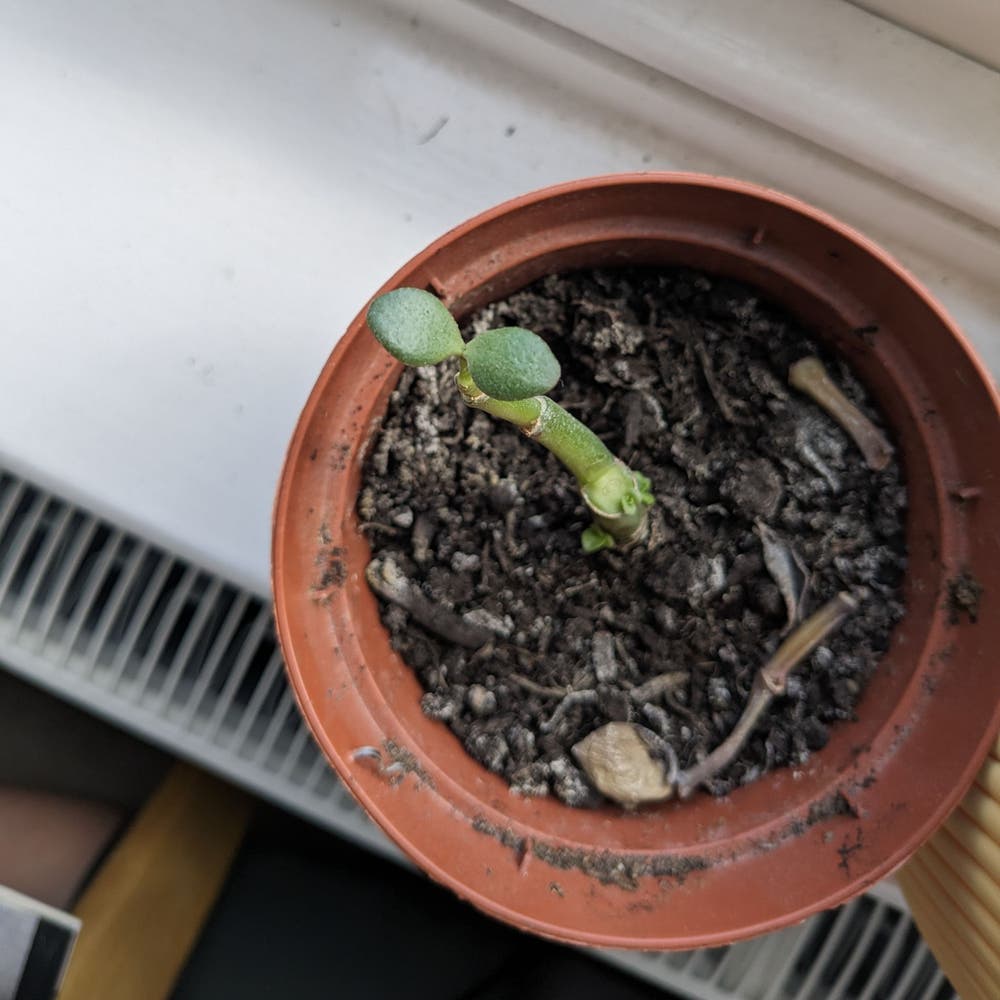
🌱 4 Tips for How to Plant Jade Plant
Crassula ovata 'Obliqua'
By the Greg Editorial Team
Nov 07, 2024•5 min read
This article was created with the help of AI so we can cover more plants for you. May contain errors. See one? Report it here.
Unlock the secret to thriving Jade Plants 🌱 by mastering the choice between planting and transplanting!
- 🌱 Choose wisely: Plant new or transplant established Jade Plants based on your needs.
- 🌞 Optimal planting time is spring or early summer for best growth results.
- 🏺 Use well-draining soil and terracotta pots to promote healthy Jade Plant development.
Planting vs. Transplanting
🧐 Key Considerations
When deciding between planting a new Jade Plant or transplanting an established one, there are several factors to weigh. Planting new Jade Plants typically involves a lower initial cost for seeds or young plants, making it an easy entry point for beginners.
On the other hand, transplanting established plants can be more expensive, especially if you're considering larger specimens. This process is moderately challenging but can yield quicker results in terms of growth and adaptability.
⏳ Time to Maturity
Newly planted Jade Plants may take longer to mature, often requiring 1-2 years before they reach their full potential. In contrast, established plants adapt more quickly to their new environment, allowing you to enjoy their beauty sooner.
🌱 Adaptability
New plants often need more care to acclimate to their surroundings, which can be a bit daunting. However, established plants are generally more resilient, making them a safer choice for those who may not have the time to monitor a new plant closely.
Understanding these key considerations can help you make an informed decision about whether to plant a new Jade Plant or transplant an existing one. This knowledge sets the stage for the next steps in your Jade Plant journey, whether you're nurturing a fresh seedling or relocating a beloved houseplant.
Planting New Jade Plant
Optimal Timing 🌱
The best time to plant a new Jade Plant is during spring or early summer. This period ensures that temperatures are consistently warm, which is crucial for the plant's growth.
Selecting Soil Mix and Container 🪴
For optimal growth, use a well-draining succulent or cactus mix. Terracotta pots are ideal due to their breathability, and ensure the container is at least 6-8 inches in diameter to accommodate root growth.
Proper Depth and Spacing 📏
When planting, maintain the same depth as the plant was in its nursery container. If planting multiple Jade Plants, space them 12-18 inches apart to allow for healthy growth.
Maintaining Ideal Growing Conditions ☀️
Jade Plants thrive in bright, indirect sunlight. While they can adapt to lower light conditions, this may hinder their growth, so aim for optimal light exposure.
Temperature Preferences 🌡️
These plants prefer temperatures between 20°C to 25°C (68°F to 77°F). Keeping them within this range will promote healthy development and vibrant foliage.
Hardening Off Process 🌳
Before planting outdoors, gradually acclimatize your Jade Plant to its new environment. Start by exposing it to outdoor conditions for a few hours each day, increasing the time over 1-2 weeks.
This gradual process helps the plant adjust and reduces the risk of shock. With the right timing and care, your new Jade Plant will flourish in its new home.
Next, we’ll explore how to transplant established Jade Plants for optimal growth.
Transplanting Established Jade Plant
Optimal Timing 🌱
Transplanting your jade plant is best done in spring, aligning with its active growth phase. Look for signs like root-bound conditions, stunted growth, or poor drainage to determine if it's time to make the move.
Step-by-Step Instructions
Removing the Plant
- Water the plant a day before transplanting to reduce stress.
- Loosen the soil around the edges gently with a trowel.
- Lift the plant carefully from its pot, supporting the base to avoid damage.
Preparing the New Site
- Choose a new location that offers similar light and temperature conditions.
- Prepare the soil by amending it with a well-draining succulent mix if needed.
- Dig a hole that is twice the width of the root ball to give your plant ample space.
Proper Placement and Spacing
Position the plant at the same depth it was previously growing to ensure stability. For multiple plants, maintain a spacing of 12-18 inches apart to allow for healthy growth.
Tips for Newly Transplanted Plants 🌿
- Watering: Lightly water after transplanting, but avoid overwatering to prevent root rot.
- Mulching: Apply a thin layer of gravel or decorative stones to help retain moisture and suppress weeds.
- Support: If your jade plant is tall or top-heavy, consider staking it for added support.
Transplanting can be a rewarding experience, allowing your jade plant to thrive in a new environment. With the right timing and care, your plant will flourish and continue to bring beauty to your space. Next, let’s explore how to troubleshoot common issues that may arise during this process.
Troubleshooting Common Issues
🌱 Transplant Shock
Transplant shock can be a real bummer for your Jade Plant. Look out for symptoms like wilting, yellowing leaves, and stunted growth after transplanting.
To prevent this, timing is key. Make sure to transplant during the plant's active growth phase and provide proper care throughout the process.
🏡 Establishment Problems
Sometimes, your Jade Plant might struggle to settle into its new home. Common issues include poor drainage, inadequate light, or overwatering.
If you notice these problems, adjust your care practices accordingly. For instance, ensure your pot has drainage holes and that your plant gets enough light.
🐛 Pests and Diseases
Pests can sneak up on your Jade Plant, with mealybugs, aphids, and spider mites being the usual suspects. Keep an eye out for any signs of infestation.
Additionally, watch for diseases like root rot, often caused by overwatering. The best prevention is to choose the right soil and maintain proper watering habits.
By staying vigilant and responsive to these common issues, you can help your Jade Plant thrive and flourish. Next, let’s explore how to ensure your plant remains healthy and vibrant in its new environment.
⚠️ Safety First
This content is for general information and may contain errors, omissions, or outdated details. It is not medical, veterinary advice, or an endorsement of therapeutic claims.
Always consult a qualified healthcare professional before using any plant as food, medicine, or supplement.
Never eat any plant (or feed one to pets) without confirming its identity with at least two trusted sources.
If you suspect poisoning, call Poison Control (800) 222-1222, the Pet Poison Helpline (800) 213-6680, or your local emergency service immediately.
Spotted an error? Please report it here.
Planting a Jade Plant can be a thriving adventure 🌿, and with Greg's tailored watering reminders and expert care tips, you'll ensure your new green friend flourishes in no time!