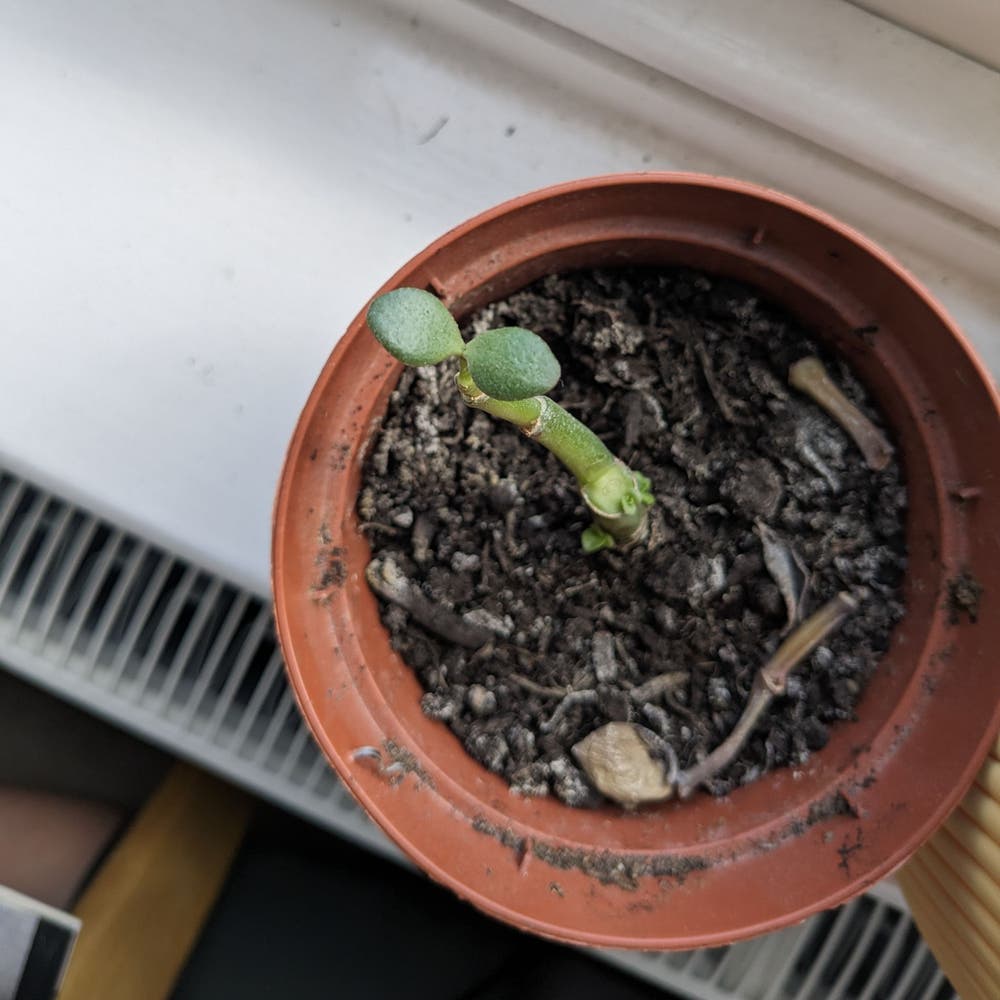
☀️ Ultimate Guide to Direct Sunlight for Jade Plant
Crassula ovata 'Obliqua'
By the Greg Editorial Team
Nov 07, 2024•5 min read
This article was created with the help of AI so we can cover more plants for you. May contain errors. See one? Report it here.
Unlock your jade plant's full potential with the right sunlight exposure for vibrant growth! 🌞
- 🌞 Jade Plants thrive in direct sunlight, promoting optimal growth and health.
- ⚠️ Gradual exposure prevents shock; acclimate your Jade Plant over 1-2 weeks.
- 🌿 Monitor for signs of stress like discoloration or crispy leaves to ensure vitality.
Jade Plant and Direct Sunlight
🌞 Does Jade Plant Need Direct Sunlight?
Jade Plants thrive in bright light conditions, making them perfect companions for sunlit spaces. Full sun is particularly beneficial for their optimal growth, encouraging lush foliage and vibrant health.
🌤️ Can Jade Plant Tolerate Direct Sunlight?
Yes, Jade Plants can tolerate direct sunlight, but they need a little time to adjust. Gradually introducing your plant to direct sunlight helps prevent shock and ensures it adapts smoothly to its new environment.
🔆 Signs of Too Much Direct Sunlight on Jade Plant
Be on the lookout for signs that your Jade Plant is getting too much sun. Common indicators include:
- Leaf discoloration: Watch for yellowing or browning leaves.
- Leaf texture changes: Leaves may become crispy or shriveled.
- Overall plant stress: Stunted growth or drooping leaves can signal distress.
🌑 Signs of Insufficient Sunlight for Jade Plant
Conversely, insufficient sunlight can lead to its own set of problems. Signs that your Jade Plant isn't getting enough light include:
- Etiolation: This results in stretched, leggy growth as the plant seeks more light.
- Leaf drop: You might notice premature shedding of leaves.
- Slow growth: A reduced growth rate and vigor indicate your plant is struggling.
Understanding these signs will help you maintain a healthy Jade Plant, ensuring it receives just the right amount of sunlight for thriving growth. Next, let’s explore how window direction influences sunlight exposure for your plant.
Window Direction and Sunlight Exposure
Best Window Directions for Jade Plant 🌱
Choosing the right window direction is crucial for your jade plant's health.
- South-facing windows provide the best conditions, offering maximum sunlight exposure throughout the day.
- East-facing windows are also beneficial, delivering gentle morning sun that helps the plant wake up without the harshness of midday rays.
- West-facing windows can be effective too, but they expose the plant to strong afternoon sunlight, so you'll need to monitor it closely to prevent sunburn.
How Sunlight Changes with Window Direction ☀️
Sunlight intensity varies significantly based on window orientation.
- South-facing windows receive the most consistent light, while east and west-facing windows can fluctuate in intensity throughout the day.
- Seasonal changes also play a role; as the sun's angle shifts with the seasons, the amount of light your jade plant receives can change dramatically.
Understanding these dynamics will help you position your jade plant for optimal growth and health.
Geographic Considerations
🌍 How Hemisphere Affects Sunlight Exposure for Jade Plant
The hemisphere you live in significantly influences your jade plant's sunlight exposure. In the Northern Hemisphere, summer days are longer, providing ample light for growth, while winter days are shorter, which can limit sunlight availability.
Conversely, the Southern Hemisphere experiences the opposite seasonal patterns. This means that jade plants in these regions will face longer days in winter and shorter days in summer, affecting their overall health and growth.
☀️ Seasonal Variations in Sunlight Intensity Based on Location
Sunlight intensity can vary greatly depending on your climate. For instance, equatorial regions enjoy consistent sunlight throughout the year, while temperate zones experience more pronounced seasonal changes.
In temperate areas, jade plants may need extra care during the winter months when sunlight is less intense. Understanding these variations helps you provide the best care for your jade plant, ensuring it thrives regardless of your location.
By recognizing how geography impacts sunlight exposure, you can better tailor your jade plant's care to its specific needs. This knowledge sets the stage for effective sunlight management, which is crucial for your plant's health and vitality.
Common Issues Related to Sunlight
🌞 Sunburn on Jade Plant Leaves
Jade plants can suffer from sunburn, which manifests as brown patches or crispy edges on their leaves. This condition typically arises from prolonged exposure to intense direct sunlight without proper acclimatization.
🌱 Etiolation in Jade Plant Due to Insufficient Light
On the flip side, insufficient light can lead to etiolation. This results in weak, leggy growth with sparse leaves as the plant stretches toward the light it desperately seeks.
🛠️ Solutions for Managing Sunlight Exposure
To manage these sunlight-related issues, consider adjusting your jade plant's location. Moving it to a more suitable light condition can help restore its health.
Additionally, using sheer curtains can soften direct sunlight, preventing damage while still allowing your plant to thrive.
By being mindful of your jade plant's light exposure, you can ensure it remains vibrant and healthy. Next, let’s explore tips for plant parents to help their jade plants flourish.
Tips for Plant Parents
🌞 How to Gradually Acclimate Jade Plant to Direct Sunlight
Acclimating your jade plant to direct sunlight is essential for its health. Start by placing it in a shaded area for a few days to ease it into brighter conditions.
Next, gradually increase its exposure to direct sunlight over one to two weeks. This slow introduction helps prevent shock and allows the plant to adjust comfortably.
🔍 Best Practices for Monitoring Sunlight Exposure
Regular checks are crucial for maintaining your jade plant's health. Keep an eye on the leaf color and texture for any signs of stress, such as discoloration or crispiness.
Additionally, be prepared to adjust the plant's placement based on seasonal changes. As the sun's angle shifts, your jade plant may need a new spot to thrive.
📏 Tools to Measure Light Intensity for Jade Plant
Using the right tools can help you gauge your jade plant's light needs effectively. Light meters are handy devices that measure light levels in foot-candles or lux, giving you precise readings.
Alternatively, smartphone apps can also assess light conditions, making it easy to monitor your plant's environment. These tools can help ensure your jade plant receives the optimal sunlight it craves.
With these tips, you'll be well-equipped to care for your jade plant and ensure it thrives in its sunny spot. Next, let’s explore how geographic considerations can impact sunlight exposure for your jade plant.
⚠️ Safety First
This content is for general information and may contain errors, omissions, or outdated details. It is not medical, veterinary advice, or an endorsement of therapeutic claims.
Always consult a qualified healthcare professional before using any plant as food, medicine, or supplement.
Never eat any plant (or feed one to pets) without confirming its identity with at least two trusted sources.
If you suspect poisoning, call Poison Control (800) 222-1222, the Pet Poison Helpline (800) 213-6680, or your local emergency service immediately.
Spotted an error? Please report it here.
Keep your Jade Plant thriving in sunlight 🌞 with Greg's tailored care reminders that help you monitor its light needs and prevent any sun-related stress!