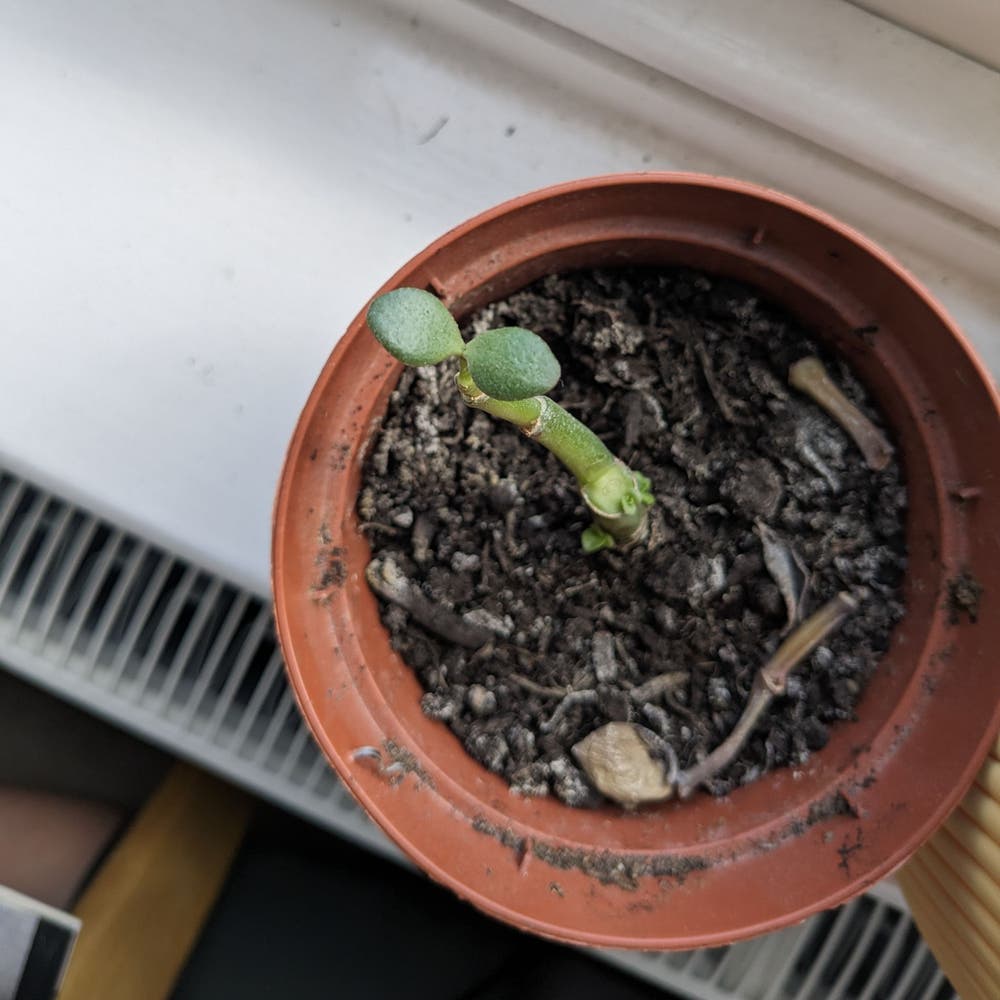
Best Soil for Your Jade Plant 💎
Crassula ovata 'Obliqua'
By the Greg Editorial Team
Nov 07, 2024•5 min read
This article was created with the help of AI so we can cover more plants for you. May contain errors. See one? Report it here.
Boost your jade plant's vitality 🌱 with the ideal soil mix for thriving growth and lush leaves! 🌿
- 🌱 Jade plants thrive in well-draining soil like cactus mix or succulent potting soil.
- 💧 Enhance drainage with perlite, pumice, and coarse sand to prevent root rot.
- ⚖️ Maintain optimal pH between 6.0 and 7.0 for healthy jade plant growth.
Ideal Soil Composition
🌱 Components of Soil
To ensure your jade plant thrives, start with well-draining materials. A quality cactus soil or succulent potting mix serves as a solid foundation.
Adding perlite or pumice enhances aeration, allowing roots to breathe. Coarse sand is also essential, as it significantly improves drainage, preventing water from pooling around the roots.
⚖️ Recommended Soil Mix Ratios
For an optimal soil mix, aim for a ratio of 50% cactus soil, 25% perlite or pumice, and 25% coarse sand. This blend provides the perfect balance of moisture retention and drainage.
Different jade plant varieties may have unique preferences. For instance, the 'Gollum' jade might benefit from slightly more organic matter, while the 'Hobbit' jade often thrives with a bit more sand to boost drainage.
By tailoring your soil mix to your jade plant's specific needs, you set the stage for a healthy, vibrant plant. Next, let’s explore the importance of drainage in maintaining your jade plant's health.
Importance of Drainage
Why Drainage Matters 🌊
Proper drainage is crucial for jade plants. These resilient beauties store water in their leaves, making them prone to root rot if overwatered.
Additionally, jade plants thrive in their natural habitat, where they grow in rocky, well-draining soils. This environment allows excess water to escape, preventing the roots from sitting in moisture.
Signs of Poor Drainage 🚫
Recognizing poor drainage is essential for maintaining a healthy jade plant. Look for water pooling on the surface of the soil, which indicates that the mix isn't allowing water to flow through.
Other signs include soil that remains soggy for extended periods and yellowing leaves or wilting, even when you've watered adequately. These symptoms are red flags that your jade plant may be struggling due to inadequate drainage.
By understanding the importance of drainage and recognizing the signs of poor conditions, you can take proactive steps to ensure your jade plant thrives. Next, let’s explore the recommended soil pH for optimal growth.
Recommended Soil pH
Ideal pH Range 🌱
For jade plants, the ideal soil pH falls between 6.0 and 7.0, which is slightly acidic to neutral. This range supports optimal nutrient availability and overall plant health.
Effects of pH on Health ⚖️
A low pH can lead to nutrient deficiencies, leaving your jade plant struggling to thrive. Conversely, a high pH may cause nutrient lockout, hindering growth and vitality.
Maintaining the right pH is crucial for your jade plant's success. Regularly testing your soil can help you catch any imbalances early, ensuring your plant remains healthy and vibrant.
With the right soil pH, your jade plant can flourish, setting the stage for the next topic on identifying and resolving unhealthy soil conditions.
Identifying and Resolving Unhealthy Soil
🚩 Signs of Unhealthy Soil
Recognizing unhealthy soil is crucial for your jade plant's health. Look out for these telltale signs:
- Moldy Soil: If you see white or gray mold on the surface, it's a clear indicator that your soil is struggling.
- Foul Odor: A bad smell often means anaerobic conditions, which can harm your plant.
- Compacted Soil: Soil that feels hard and dense is likely retaining too much moisture, which jade plants despise.
🛠️ Solutions for Unhealthy Soil Conditions
If you spot any of these issues, don’t panic! Here’s how to get your soil back on track:
Remove Affected Soil: Start by carefully scooping out the top layer of moldy soil. This helps eliminate the problem at its source.
Replace with Fresh Soil: Use a well-draining jade plant soil mix to ensure your plant has the right environment to thrive.
Increase Aeration: Mix in perlite or pumice to enhance drainage. This will help keep the soil light and prevent compaction.
Adjust Watering Practices: Allow the soil to dry out between waterings. Jade plants prefer a dry spell, so resist the urge to overwater.
By addressing these soil issues promptly, you can keep your jade plant healthy and thriving. Next, let’s explore how to create a homemade soil mix that suits your jade plant perfectly.
Creating Homemade Soil Mix
Creating your own soil mix for jade plants is not only easy but also rewarding. With just a few ingredients, you can ensure your plant thrives in a well-draining environment.
🧪 Ingredients for a Homemade Mix
To start, you'll need:
- Cactus soil as a base
- Perlite or pumice for drainage
- Coarse sand for texture
These components work together to create a mix that mimics the jade plant's natural habitat.
🛠️ Step-by-Step Guide
Follow these simple steps to create your homemade soil mix:
- Gather materials: Collect cactus soil, perlite, pumice, and coarse sand.
- Measure ratios: Use the recommended mix ratios of 50% cactus soil, 25% perlite or pumice, and 25% coarse sand.
- Combine ingredients: In a large container, mix the ingredients thoroughly until well blended.
- Test drainage: Add water to your mix and observe how well it drains. Good drainage is key to preventing root rot.
By following these steps, you'll have a custom soil mix that supports the health and growth of your jade plant.
Now that you have your soil mix ready, let’s explore the importance of drainage in maintaining a healthy jade plant.
⚠️ Safety First
This content is for general information and may contain errors, omissions, or outdated details. It is not medical, veterinary advice, or an endorsement of therapeutic claims.
Always consult a qualified healthcare professional before using any plant as food, medicine, or supplement.
Never eat any plant (or feed one to pets) without confirming its identity with at least two trusted sources.
If you suspect poisoning, call Poison Control (800) 222-1222, the Pet Poison Helpline (800) 213-6680, or your local emergency service immediately.
Spotted an error? Please report it here.
Keep your jade plant thriving 🌿 with Greg's tailored soil tips and watering reminders to create the perfect mix for optimal health!