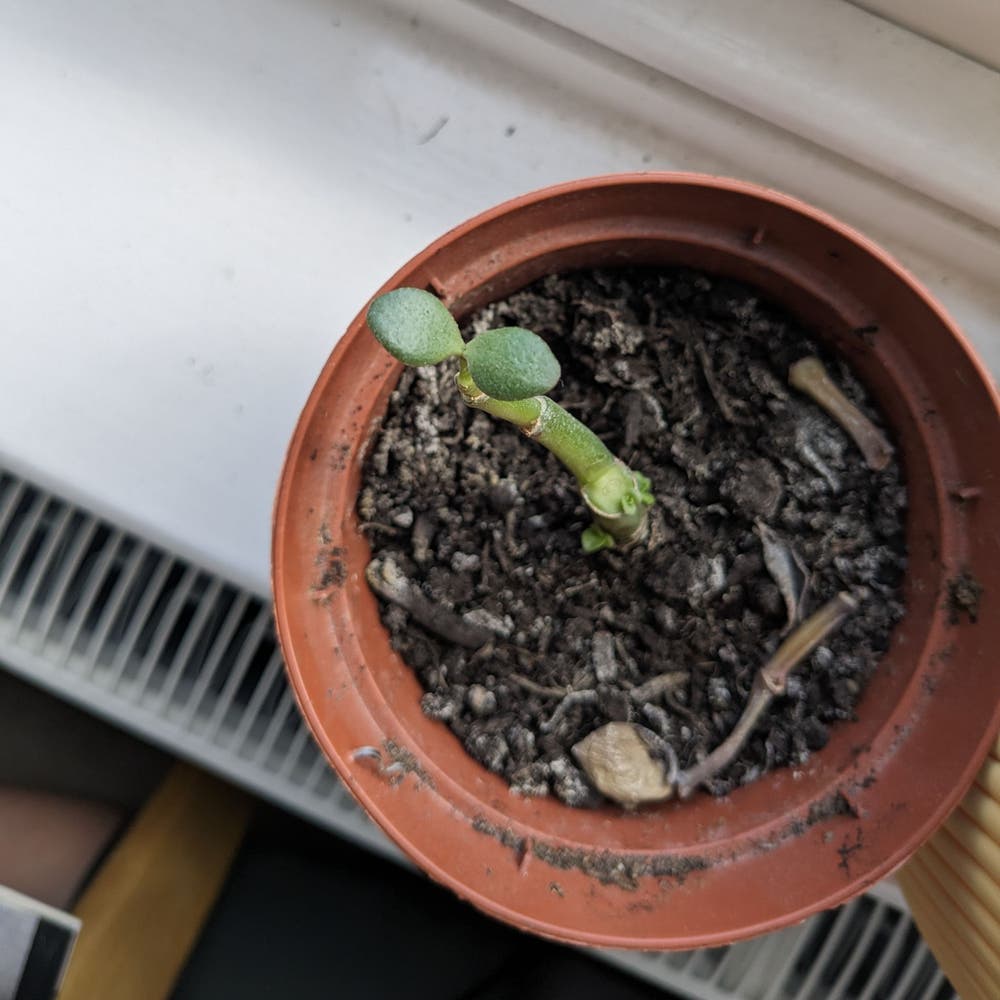
💰 All About Your Jade Plant's Roots
Crassula ovata 'Obliqua'
By the Greg Editorial Team
Sep 29, 2024•6 min read
This article was created with the help of AI so we can cover more plants for you. May contain errors. See one? Report it here.
Master Jade Plant care 🌱 by understanding their unique root systems for vibrant growth and resilience!
- 🌱 Jade Plants have fibrous roots that efficiently absorb water and nutrients.
- 💧 Prevent root rot by allowing soil to dry completely between waterings.
- 🌿 Healthy roots are crucial for propagation and overall plant resilience.
Root System Characteristics
🌱 Type of Root System
Jade Plants feature a fibrous root system, characterized by a network of thin, branching roots. This type of root system is efficient for water absorption and nutrient uptake, allowing the plant to thrive in various conditions.
Unlike taproot systems, which have a single, thick root that grows deep into the soil, fibrous roots spread out horizontally. This adaptation helps Jade Plants stabilize themselves while maximizing their access to moisture and nutrients near the surface.
🌿 Specific Characteristics
The roots of Jade Plants are succulent, meaning they can store water effectively. This ability is crucial for drought resistance, enabling the plant to survive extended dry periods without wilting.
In terms of growth potential, Jade Plants can reach heights of up to 3 feet. Their roots can also spread widely, often extending up to 2 feet, which supports their overall health and stability. Understanding these characteristics is essential for providing the right care for your Jade Plant.
As we delve deeper into the specifics of root depth and spread, you'll discover how these factors influence your plant's growth and vitality.
Root Depth and Spread
🌱 Typical Depth and Spread
Jade plants have a relatively shallow root system, with roots typically extending between 6 to 12 inches deep. This shallow depth allows them to thrive in various potting conditions while still accessing essential nutrients.
Their roots can spread impressively, reaching up to 2 feet wide. This expansive growth helps the plant stabilize and absorb water efficiently, making it well-suited for its native arid environments.
📈 Growth Patterns
Understanding the growth patterns of jade plants is crucial for optimal care. They experience active growth during the spring and summer months, soaking up sunlight and nutrients to flourish.
As fall and winter approach, jade plants enter a dormancy phase. During this time, their growth slows significantly, allowing them to conserve energy and resources until the warmer months return.
Watering, Fertilizing, and Transplanting
Watering Needs 💧
Jade Plants thrive due to their succulent roots, which excel at retaining water. This unique ability allows them to withstand periods of drought, making proper watering essential.
To keep your Jade Plant healthy, allow the soil to dry out completely between waterings. This prevents overwatering, which can lead to root rot.
Fertilizing Considerations 🌱
When it comes to fertilizing, opt for a balanced fertilizer specifically designed for succulents. These fertilizers provide the necessary nutrients without overwhelming the plant.
During the growing season, fertilize your Jade Plant monthly. This regular feeding supports robust growth and vibrant leaves.
Transplanting Best Practices 🌿
Recognizing when to transplant is crucial for your Jade Plant's health. Signs include roots growing out of drainage holes or stunted growth.
Follow these steps for a successful transplant:
- Choose a slightly larger pot with drainage holes.
- Prepare a well-draining soil mix to promote healthy root development.
- Gently remove the plant from its current pot, taking care not to damage the roots.
- Inspect the roots for any signs of damage or rot.
- Place the plant in the new pot and fill it with soil, ensuring it’s secure.
By following these guidelines, you can ensure your Jade Plant continues to thrive. Next, we’ll explore common root-related issues that may arise and how to address them effectively.
Common Root-Related Issues
🕵️ Identifying Root Rot
Root rot is a sneaky problem that can devastate your Jade Plant. Look for signs like wilting leaves, yellowing foliage, and mushy roots—these are clear indicators that something's amiss.
The primary culprits behind root rot are overwatering and poor drainage. If your plant is sitting in soggy soil, it's a recipe for disaster.
🛠️ Solutions for Root Problems
Preventing root issues starts with the right setup. Always use well-draining soil and pots to keep your Jade Plant happy and healthy.
If you do encounter root rot, don’t panic. Carefully remove the affected roots and repot your plant in fresh soil to give it a fighting chance.
By staying vigilant and proactive, you can ensure your Jade Plant thrives, avoiding the common pitfalls that lead to root-related issues.
Healthy vs Unhealthy Roots
👀 Visual Cues for Healthy Roots
Healthy roots are a vital part of your Jade Plant's well-being. Look for roots that are firm, with a white or light tan color, and most importantly, they should have no foul odor.
🚫 Indicators of Unhealthy Roots
On the flip side, unhealthy roots can spell trouble. Signs include a dark, mushy, or slimy texture, often accompanied by a foul smell that indicates decay.
Recognizing these cues early can help you take action before it's too late. Keeping an eye on your plant's roots is essential for maintaining its health and vibrancy.
Understanding the difference between healthy and unhealthy roots not only enhances your plant care skills but also fosters a deeper connection with your Jade Plant.
Next, let’s explore how to recognize and address rootbound plants, ensuring your Jade continues to thrive.
Recognizing and Addressing Rootbound Plants
Definition and Signs 🌱
A rootbound plant occurs when its roots have outgrown their container, leading to a cramped environment. This situation can manifest in several ways, including roots growing out of drainage holes, stunted growth, and yellowing leaves.
Solutions for Rootbound Issues 🛠️
Intervention is crucial when you notice growth slowing or roots visibly crowding. The best solution is to repot the plant into a larger container, ensuring you gently loosen the roots to encourage healthy growth.
By addressing rootbound issues promptly, you can help your Jade Plant thrive and maintain its vibrant health. Next, let’s explore the importance of root health in propagation and division.
Propagation and Division
🌱 Importance of Root Health
Healthy roots are crucial for successful propagation and the overall resilience of your Jade Plant. They not only support growth but also enhance the plant's ability to thrive in varying conditions.
✂️ Techniques for Dividing Jade Plants
Dividing your Jade Plant can rejuvenate it and promote healthy growth. Follow these steps for a successful division process:
Choose a healthy parent plant. Look for one that is thriving and has ample roots.
Remove from pot and gently separate roots. Take care not to damage them during this process.
Cut roots with clean shears. Ensure each section has both roots and leaves for the best chance of survival.
Replant in suitable soil. Use a well-draining mix and water lightly to avoid over-saturation.
By following these steps, you can effectively propagate your Jade Plant, ensuring it continues to flourish. Healthy roots lead to vibrant plants, so take the time to nurture them!
Next, we’ll explore common root-related issues that can affect your Jade Plant and how to address them.
⚠️ Safety First
This content is for general information and may contain errors, omissions, or outdated details. It is not medical, veterinary advice, or an endorsement of therapeutic claims.
Always consult a qualified healthcare professional before using any plant as food, medicine, or supplement.
Never eat any plant (or feed one to pets) without confirming its identity with at least two trusted sources.
If you suspect poisoning, call Poison Control (800) 222-1222, the Pet Poison Helpline (800) 213-6680, or your local emergency service immediately.
Spotted an error? Please report it here.
Nurture your Jade Plant's roots for vibrant growth 🌿 by using Greg's tailored watering alerts and care tips to keep it thriving!