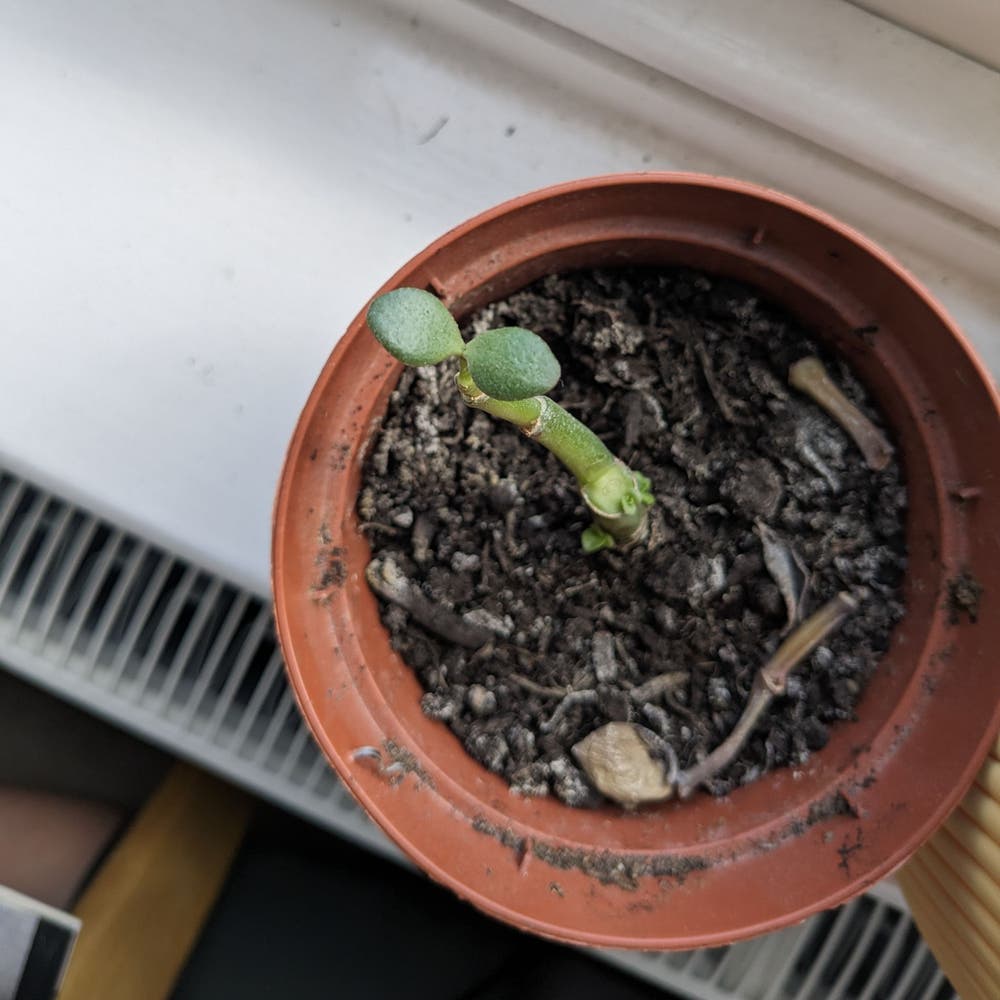
🌱 How to Cure Leaves Falling Over on Your Jade Plant
Crassula ovata 'Obliqua'
By the Greg Editorial Team
Sep 29, 2024•5 min read
This article was created with the help of AI so we can cover more plants for you. May contain errors. See one? Report it here.
Revive your jade plant's vitality 🌱 with expert tips for diagnosing and treating common care issues effectively!
- 💧 Overwatering causes leaf drop; let soil dry and repot in well-draining soil.
- 🌞 Jade Plants need bright, indirect light; insufficient light leads to leggy growth.
- 🐛 Pests like mealybugs harm Jade Plants; use neem oil for effective treatment.
Diagnosing the Problem
🌧️ Overwatering Signs and Solutions
Overwatering is a common issue for Jade Plants, and it can lead to serious problems. Look for symptoms like yellowing leaves, which indicate stress, and soft, mushy leaves that signal potential root rot.
Root Rot Indicators
If you notice a foul smell or blackened roots, your plant is likely suffering from root rot. This condition can be detrimental if not addressed quickly.
Solutions for Overwatered Jade Plants
To remedy overwatering, start by allowing the soil to dry out completely. Repotting in well-draining soil can also help, as it provides better aeration for the roots.
Adjusting your watering frequency is crucial; aim for every 2-3 weeks to prevent future issues. This simple change can make a world of difference for your Jade Plant.
💧 Underwatering Signs and Solutions
On the flip side, underwatering can also cause leaves to fall. Symptoms include wrinkled, shriveled leaves and premature leaf drop, both signs that your plant is thirsty.
Solutions for Underwatered Jade Plants
To revive an underwatered Jade Plant, gradually rehydrate it by soaking the soil thoroughly. Establishing a consistent watering schedule will help maintain its health moving forward.
🐛 Pest Infestations and Their Impact
Pests can wreak havoc on your Jade Plant, with common culprits being mealybugs and spider mites. Mealybugs appear as white, cotton-like masses, while spider mites leave fine webbing on leaves.
Signs of Pest Issues
Watch for leaf discoloration and stunted growth, which are clear indicators of pest problems.
Solutions for Managing Pest Infestations
Treat infestations with neem oil or insecticidal soap, both effective options. Regularly inspecting and cleaning leaves can also prevent pests from taking hold.
🌞 Environmental Stress Factors
Jade Plants thrive in bright, indirect sunlight for about 4-6 hours daily. If your plant exhibits leggy growth or leaf drop, it may not be receiving enough light.
Temperature and Humidity Considerations
Maintain an optimal temperature range of 65°F to 75°F (18°C to 24°C) for best results. Jade Plants prefer low humidity, so keep an eye out for signs of stress like leaf curling or browning edges.
Understanding these factors will help you create a nurturing environment for your Jade Plant. With the right care, your plant can flourish and thrive, setting the stage for long-term success.
Treatment and Recovery
Step-by-Step Guide to Treating Overwatered Jade Plants 🌧️
Overwatering can be a serious issue for your jade plant. Here’s how to tackle it effectively.
- Assess the extent of damage: Check for yellowing leaves and mushy textures.
- Remove the plant from its pot: Gently take it out to inspect the roots.
- Trim away affected roots: Cut off any blackened or rotten roots to prevent further damage.
- Repot in fresh, dry soil: Use well-draining soil to help the plant recover.
- Adjust watering schedule: Water every 2-3 weeks, allowing the soil to dry out completely between waterings.
Step-by-Step Guide to Treating Underwatered Jade Plants 💧
Underwatering can also lead to leaf drop. Follow these steps to revive your jade plant.
- Check soil moisture level: Stick your finger into the soil; if it’s dry, it’s time to act.
- Soak the plant thoroughly: Water until it drains from the bottom, ensuring the roots absorb moisture.
- Monitor for signs of recovery: Look for plumping leaves and new growth within a few days.
- Establish a consistent watering routine: Aim for a regular schedule to keep your plant hydrated.
How to Manage Pest Infestations 🐛
Pests can wreak havoc on your jade plant. Here’s how to identify and manage them.
- Identification of pests and their signs: Look for mealybugs (white, cotton-like masses) and spider mites (fine webbing).
- Treatment options: Use neem oil or insecticidal soap to eliminate pests effectively.
- Preventive measures: Maintain plant health through regular inspections and cleaning to deter infestations.
Tips for Improving Environmental Conditions 🌱
Creating the right environment is crucial for your jade plant’s health. Consider these adjustments.
- Adjusting light exposure: Ensure your plant receives bright, indirect sunlight for 4-6 hours daily.
- Maintaining optimal temperature and humidity levels: Keep temperatures between 65°F to 75°F (18°C to 24°C) and low humidity.
- Regularly cleaning leaves: Wipe leaves to remove dust, allowing for better light absorption.
By following these treatment and recovery steps, you can help your jade plant thrive again. Next, let’s explore long-term care strategies to keep your plant healthy and vibrant.
Long-term Care Strategies
Regular Maintenance Practices 🌱
Routine inspections are crucial for keeping your Jade Plant healthy. Regularly check for signs of stress, pests, or disease to catch issues early.
Pruning dead or unhealthy leaves not only improves appearance but also encourages new growth. This simple practice can significantly enhance your plant's vitality.
Repotting Guidelines to Prevent Stress 🪴
Repot your Jade Plant every 2-3 years or when it becomes root-bound. This ensures it has enough space to grow and thrive.
When repotting, choose the right pot size and use fresh, well-draining soil. This will help prevent water retention and promote healthy root development.
Clarifying Misconceptions About Leaf Drop ❓
Many believe that leaf drop is always a sign of disease, but that's not the case. Understanding the various causes of leaf drop can help you address the issue more effectively.
Leaf drop can result from environmental stress, improper watering, or even natural aging. Recognizing these factors can lead to better care and a healthier plant.
By implementing these long-term care strategies, you can ensure your Jade Plant remains vibrant and resilient. Next, let’s explore how to effectively treat specific issues like overwatering and underwatering.
⚠️ Safety First
This content is for general information and may contain errors, omissions, or outdated details. It is not medical, veterinary advice, or an endorsement of therapeutic claims.
Always consult a qualified healthcare professional before using any plant as food, medicine, or supplement.
Never eat any plant (or feed one to pets) without confirming its identity with at least two trusted sources.
If you suspect poisoning, call Poison Control (800) 222-1222, the Pet Poison Helpline (800) 213-6680, or your local emergency service immediately.
Spotted an error? Please report it here.
Revitalize your Jade Plant and prevent leaf drop by mastering its care with Greg's customized watering alerts and expert tips, ensuring it thrives in your home! 🌿