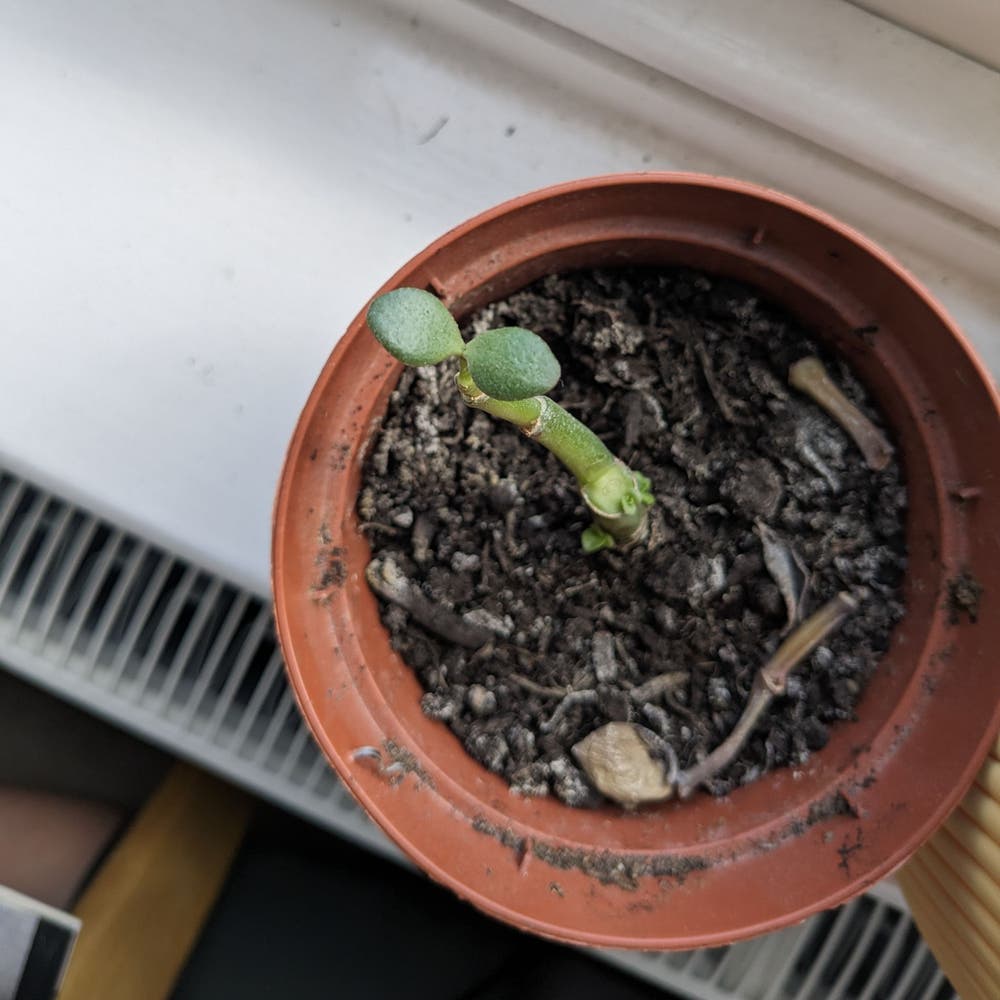
Best Temperature Conditions for Jade Plant 🌵
Crassula ovata 'Obliqua'
By the Greg Editorial Team
Nov 07, 2024•3 min read
This article was created with the help of AI so we can cover more plants for you. May contain errors. See one? Report it here.
Ensure your jade plant thrives 🌱 by maintaining its ideal temperature for vibrant growth and blooms!
- 🌡️ Jade plants thrive best in temperatures between 20°C to 25°C (68°F to 77°F).
- ❄️🔥 Temperature extremes cause stress, leading to leaf drop and discoloration.
- 🌱 Consistent care and monitoring prevent temperature-related issues for healthy jade plants.
Temperature Variations for Jade Plant
🌡️ Ideal Temperature Range
Jade plants thrive best in a cozy environment with an optimal temperature range of 20°C to 25°C (68°F to 77°F). They can tolerate a minimum of 10°C (50°F) and a maximum of 30°C (86°F), but maintaining consistent temperatures is crucial for their healthy growth.
❄️ Signs of Temperature Stress
☃️ Symptoms of Cold Stress
Cold stress can manifest in several ways. Look for leaf discoloration, where leaves may darken or take on a purplish hue, along with leaf drop, particularly the shedding of lower leaves. Wilting is another sign, indicated by soft, limp leaves that suggest damage.
🔥 Symptoms of Heat Stress
On the flip side, heat stress presents its own set of symptoms. You might notice leaf scorching, characterized by brown, crispy edges on the leaves. Stunted growth is also common, with reduced new leaf production, and excessive heat can lead to leaf drop as well.
🌪️ Causes of Temperature Stress
🌬️ Environmental Factors
Temperature stress often stems from environmental factors. Exposure to drafts or direct heat sources, such as heaters and air conditioners, can disrupt a jade plant's comfort zone. Additionally, sudden temperature changes due to weather shifts can be particularly jarring.
⚡️ Impact of Sudden Temperature Changes
Rapid temperature drops or spikes can shock your jade plant. This shock can lead to leaf drop and other stress symptoms, making it essential to monitor their environment closely.
🛠️ Temperature Management Strategies
🏠 Tips for Maintaining Optimal Temperature Indoors
To keep your jade plant happy indoors, place it away from drafts and direct heat sources. Using thermostats to monitor indoor temperatures can help, and consider utilizing grow lights to maintain warmth during colder months.
🌳 Strategies for Outdoor Temperature Control
For outdoor jade plants, providing shade during extreme heat is vital. Protective coverings can shield them during cold snaps, and positioning plants in sheltered areas can help mitigate temperature fluctuations.
By understanding these temperature variations and implementing effective management strategies, you can ensure your jade plant remains healthy and vibrant. Next, we’ll explore how temperature impacts the growth of your jade plant.
Impact of Temperature on Growth
🌡️ How Temperature Affects Growth Rates
Temperature plays a crucial role in the growth rates of jade plants. It directly influences photosynthesis, the process through which plants convert light into energy.
Optimal temperatures for jade plants range from 20°C to 25°C (68°F to 77°F). Within this range, jade plants thrive, producing new leaves and maintaining vibrant colors.
🌼 Relationship Between Temperature and Flowering
Temperature also acts as a trigger for flowering in jade plants. When conditions are just right, these plants can produce beautiful blooms, adding to their charm.
Maintaining ideal temperatures is essential for encouraging flowering. Too much heat or cold can hinder this process, leading to fewer flowers or even none at all.
❄️ Dormancy Periods and Temperature Influence
Temperature significantly affects the dormancy cycles of jade plants. During colder months, these plants may enter a dormant phase, slowing down growth and conserving energy.
Adjusting care practices based on seasonal temperature changes is vital. For instance, reducing watering during dormancy helps prevent root rot and supports healthy growth when temperatures rise again.
Understanding these temperature impacts can help you nurture your jade plant effectively, ensuring it remains healthy and vibrant throughout the year.
⚠️ Safety First
This content is for general information and may contain errors, omissions, or outdated details. It is not medical, veterinary advice, or an endorsement of therapeutic claims.
Always consult a qualified healthcare professional before using any plant as food, medicine, or supplement.
Never eat any plant (or feed one to pets) without confirming its identity with at least two trusted sources.
If you suspect poisoning, call Poison Control (800) 222-1222, the Pet Poison Helpline (800) 213-6680, or your local emergency service immediately.
Spotted an error? Please report it here.
Keep your jade plant flourishing in its ideal temperature zone 🌡️ by using Greg's tailored reminders to monitor conditions and ensure it thrives all year round!