9 Key Factors in Choosing a Jade Plant Pot 🪴
Crassula ovata 'Obliqua'
By the Greg Editorial Team
Nov 07, 2024•6 min read
This article was created with the help of AI so we can cover more plants for you. May contain errors. See one? Report it here.
Maximize your jade plant's health 🌱 by choosing the right pot size and material for thriving growth!
- 🌱 Choose the right pot size: 4-6 inches for seedlings, larger for mature plants.
- 🕳️ Drainage holes are essential to prevent root rot and ensure jade plant health.
- 🏺 Pot material matters: clay for breathability, plastic for moisture retention, ceramic for aesthetics.
Importance of Pot Size
Choosing the right pot size for your jade plant is crucial for its overall health and growth. A well-sized pot supports root development and helps maintain the right moisture levels.
📏 Recommended Container Sizes
For optimal growth, consider these recommended container sizes:
- Seedlings: 4-6 inches in diameter.
- Young plants: 6-8 inches in diameter.
- Mature plants: 10-12 inches in diameter or larger, depending on growth.
These sizes ensure that your jade plant has enough space to thrive without being cramped or overwhelmed.
🌱 Impact of Pot Size on Health
The size of the pot directly impacts your jade plant's health. If the pot is too small, it restricts root growth, leading to stunted plants that struggle to flourish.
Conversely, a pot that is too large can increase the risk of overwatering and root rot. This can create a soggy environment that jade plants, known for their drought tolerance, simply do not appreciate.
Understanding the importance of pot size helps you create the ideal environment for your jade plant. This foundational step sets the stage for a thriving, vibrant plant that can be a stunning addition to your home.
Next, we will explore how pot material affects the health of your jade plant.
How Pot Material Affects Health
🌱 Benefits of Clay Pots
Clay pots are a popular choice for jade plants due to their breathable nature. This allows for better air circulation, which is crucial for healthy root development.
Additionally, clay pots are heavier than plastic, providing stability for taller plants. This added weight helps prevent tipping, especially in windy conditions or if the plant grows top-heavy.
🪴 Advantages of Plastic Pots
Plastic pots offer their own set of benefits, primarily their lightweight design. This makes them easy to move around, which is perfect for those who like to rearrange their plant displays.
Moreover, plastic retains moisture longer than clay, making it a great option in dry climates. This moisture retention can help keep jade plants hydrated without frequent watering.
🏺 Comparison of Other Materials
Ceramic pots are visually appealing and can enhance the aesthetic of any space. However, they can retain moisture, so it’s essential to ensure they have adequate drainage holes.
Terracotta pots excel in drainage, allowing excess water to escape easily. Yet, they can dry out quickly, making them suitable for well-draining potting mixes that support jade plants' needs.
Understanding the impact of pot material on your jade plant's health is vital. Choosing the right pot can significantly influence growth and overall well-being, setting the stage for a thriving plant.
Next, let’s explore the crucial role of drainage in pot selection.
The Role of Drainage in Pot Selection
Importance of Drainage Holes 🌊
Drainage holes are crucial for the health of your jade plant. They prevent water accumulation, which can lead to root rot, a common issue for succulent lovers.
For optimal water management, aim for at least 1-2 drainage holes in your pot. This simple feature can make a significant difference in your plant's vitality.
Ensuring Proper Drainage 🚰
To ensure your jade plant thrives, use a well-draining potting mix specifically designed for succulents. This type of soil allows excess water to escape, keeping roots healthy.
Additionally, consider adding a layer of gravel or small stones at the bottom of the pot. This extra step enhances drainage and helps prevent water from pooling.
Common Drainage Issues and Solutions ⚠️
Overwatering is a frequent problem for jade plant owners. Signs include yellowing leaves and mushy stems, indicating that you need to adjust your watering schedule.
If you notice water pooling at the bottom of the pot, it’s a sign of poor drainage. In this case, consider repotting into a pot with better drainage to give your jade plant the best chance to flourish.
By paying attention to drainage, you set your jade plant up for success, ensuring it remains healthy and vibrant. Next, let’s explore the recommended pot sizes for different growth stages of your jade plant.
Pot Sizes for Different Growth Stages
Recommended Sizes for Seedlings 🌱
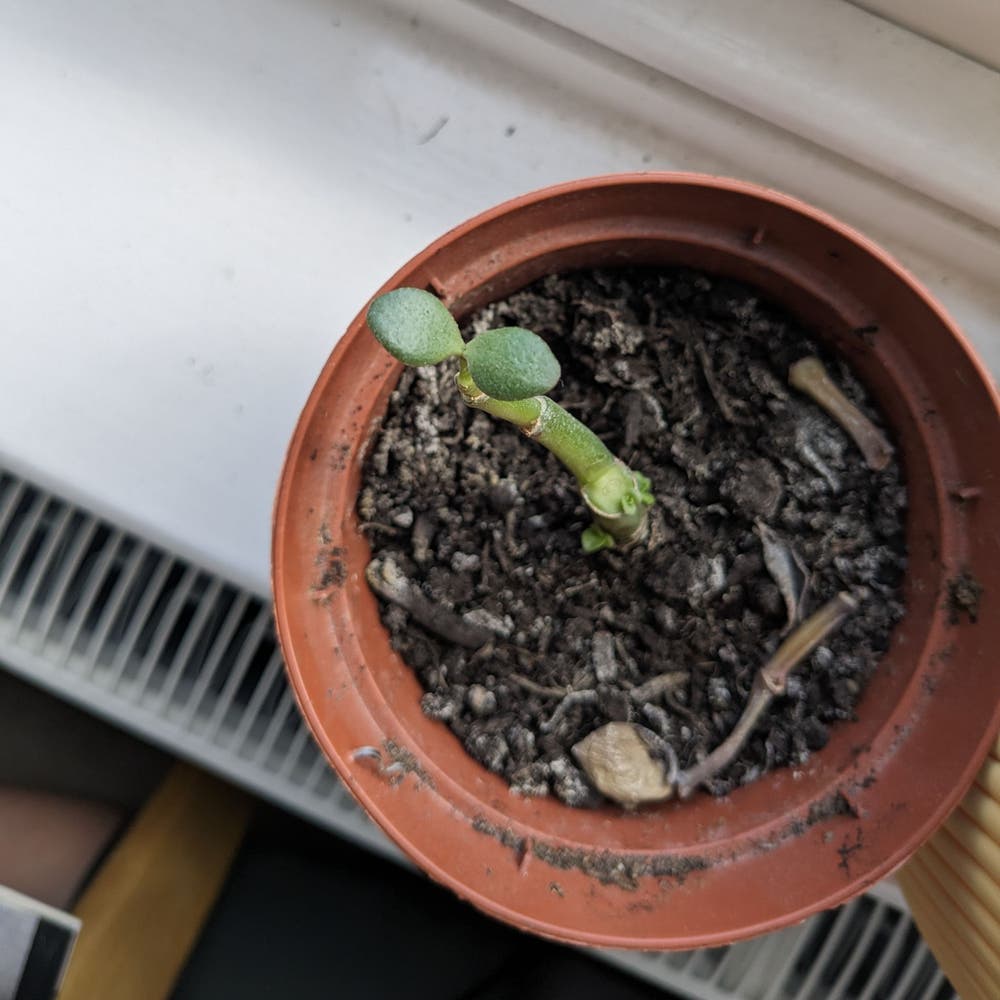
For jade plant seedlings, the ideal pot size is between 4 to 6 inches in diameter. Shallow pots are crucial at this stage, as they support initial root development without overwhelming the young plant.
Ideal Sizes for Mature Plants 🌳
As your jade plant matures, it will need a larger pot, typically recommended at 10 to 12 inches in diameter or even larger. Keep in mind the growth habits of specific varieties, such as 'Gollum' and 'Hobbit', which may require tailored pot sizes to thrive.
Signs That Indicate It's Time to Repot 🚪
Several signs indicate your jade plant may need repotting. If you notice roots growing out of the drainage holes, it's a clear signal that the plant has outgrown its current home.
Additionally, if the soil dries out too quickly or fails to absorb water properly, it may be time for a new pot. Stunted growth, despite your best care efforts, is another red flag that your jade plant needs more space to flourish.
Understanding these pot size recommendations and signs will help ensure your jade plant remains healthy and vibrant. Next, we will explore the process of repotting jade plants, including when and how to do it effectively.
Repotting Jade Plants
When to Repot 🌱
Repotting your jade plant is essential for its health and growth. Aim to do this every 2-3 years or whenever you notice signs of root crowding, such as roots pushing through the drainage holes.
The best time to repot is in spring, during the active growing season. This timing helps your plant recover quickly and thrive in its new environment.
Steps for Repotting 🛠️
- Choose a new pot that is 1-2 inches larger in diameter than the current one.
- Remove the jade plant from its existing pot, gently loosening the roots to avoid damage.
- Inspect the roots for any signs of rot and trim away any damaged areas.
- Place the plant in the new pot, filling it with fresh potting mix to provide nutrients.
- Water lightly to settle the soil, ensuring you avoid overwatering at this stage.
Choosing the Right Pot During Repotting 🏺
Selecting the right pot is crucial for your jade plant's continued growth. Consider the pot size based on the current growth stage of your plant.
Ensure that the new pot has adequate drainage holes to prevent water accumulation. Additionally, choose a material that fits your environment and aesthetic preferences, whether it’s clay, plastic, or ceramic.
Repotting can seem daunting, but with these steps, you can give your jade plant a fresh start. This process not only promotes healthy growth but also allows you to enjoy the beauty of your plant in a new pot. Now, let’s explore how pot material can further impact your jade plant’s health.
⚠️ Safety First
This content is for general information and may contain errors, omissions, or outdated details. It is not medical, veterinary advice, or an endorsement of therapeutic claims.
Always consult a qualified healthcare professional before using any plant as food, medicine, or supplement.
Never eat any plant (or feed one to pets) without confirming its identity with at least two trusted sources.
If you suspect poisoning, call Poison Control (800) 222-1222, the Pet Poison Helpline (800) 213-6680, or your local emergency service immediately.
Spotted an error? Please report it here.
Select the perfect pot for your jade plant 🌱 with Greg's tailored care tips and reminders, ensuring your plant thrives in its ideal environment!