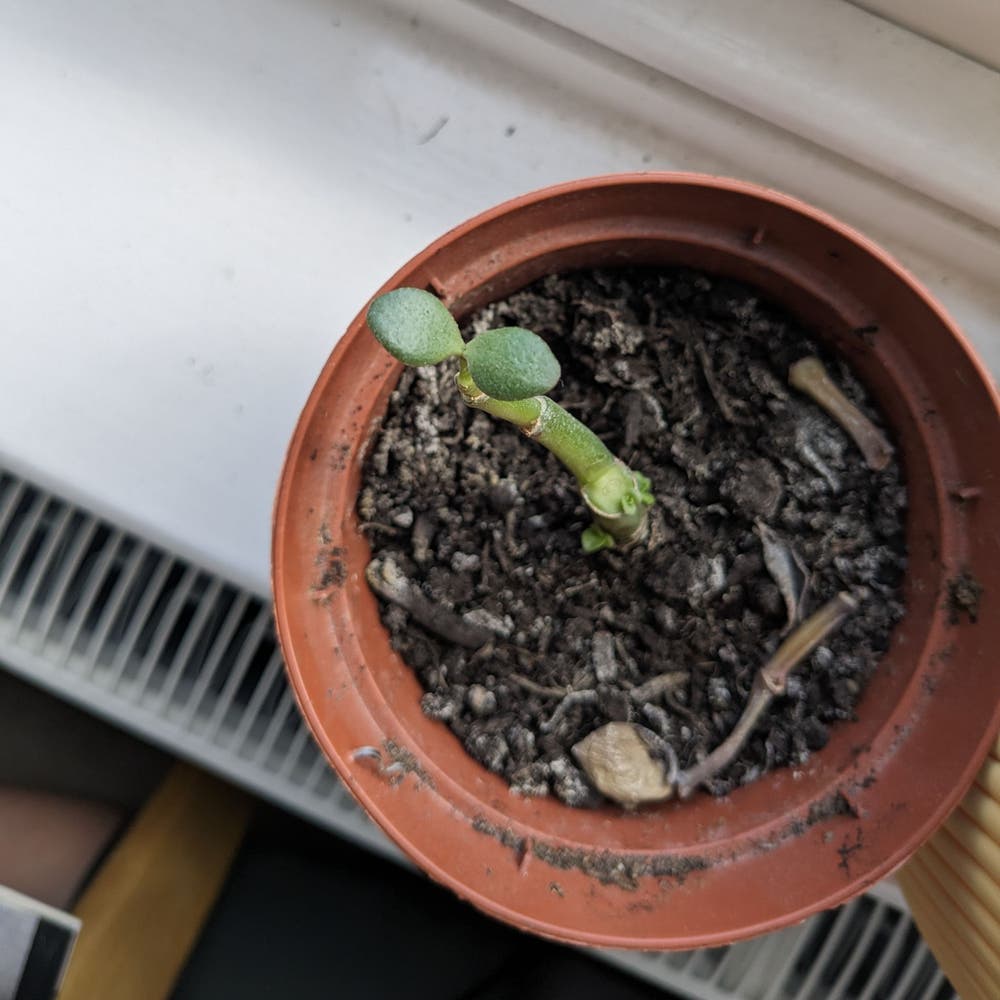
How to Cure Curling Leaves on Your Jade Plant 💰
Crassula ovata 'Obliqua'
By the Greg Editorial Team
Sep 29, 2024•6 min read
This article was created with the help of AI so we can cover more plants for you. May contain errors. See one? Report it here.
Revive your jade plant's vitality 🌱 by quickly diagnosing and treating those curling leaves for lasting health!
- 💧 Overwatering and underwatering both cause curling leaves; check soil moisture regularly.
- 🌞 Bright, indirect sunlight for 4-6 hours daily prevents curling and promotes growth.
- 🐛 Regular pest inspections and treatments like neem oil keep jade plants healthy.
Causes of Curling Leaves
💧 Overwatering and Its Effects
Overwatering is a common culprit behind curling leaves on your jade plant. Symptoms include yellowing leaves, mushy stems, and leaf drop, which can signal root rot and nutrient uptake issues.
To prevent this, water your jade plant every 2-3 weeks, ensuring the soil dries out completely between waterings. This simple adjustment can make a world of difference.
🚰 Underwatering and Its Symptoms
On the flip side, underwatering can also lead to curling leaves. Signs include shriveled leaves, dry soil, and leaf drop, as the plant reacts to stress by curling its leaves inward.
Adjust your watering frequency based on environmental conditions, typically every 1-2 weeks, to keep your jade plant thriving.
🐛 Pest Infestations
Common Pests
Pests can wreak havoc on your jade plant, leading to curling leaves. Mealybugs, identifiable by their cotton-like clusters, cause leaf curl and yellowing, while spider mites leave fine webbing and stippled leaves.
Treatment Options
For pest control, consider organic options like neem oil or insecticidal soap. If the infestation is severe, systemic insecticides may be necessary as a last resort.
🌡️ Environmental Stress Factors
Temperature
Temperature plays a crucial role in your jade plant's health. The ideal range is between 65°F to 75°F (18°C to 24°C); anything outside this can cause leaf curl and discoloration.
Humidity
Humidity levels also matter. Jade plants prefer low to moderate humidity; high humidity can lead to fungal issues, while low humidity can cause leaf curl.
🌱 Nutrient Deficiencies
Nutrient deficiencies can contribute to curling leaves as well. Common deficiencies include nitrogen, potassium, and magnesium, leading to symptoms like yellowing leaves, stunted growth, and curling.
To combat this, use a balanced succulent fertilizer every 4-6 weeks during the growing season. This will help ensure your jade plant gets the nutrients it needs to flourish.
Understanding these causes is essential for maintaining a healthy jade plant. By addressing these issues, you can prevent curling leaves and promote robust growth. Next, let’s dive into diagnosing the specific types of curling leaves.
Diagnosing Curling Leaves
🌪️ Identifying the Type of Curl
Understanding the type of curl your jade plant exhibits is crucial for effective treatment.
Upward Curl
An upward curl often signals overwatering or high humidity. If you notice this, it’s time to reassess your watering habits.
Downward Curl
A downward curl typically indicates underwatering or nutrient deficiencies. This is your plant's way of signaling distress, so take action quickly.
Inward Curl
Inward curling leaves can be a sign of pest infestations or environmental stress. Inspect your plant closely to determine the cause.
💧 Assessing Soil Moisture Levels
Checking soil moisture is a straightforward yet essential step in diagnosing curling leaves.
- Recommended Method: Stick your finger 1-2 inches into the soil.
- Signs: If the soil feels dry, your plant may be underwatered. Conversely, soggy soil suggests overwatering.
🐛 Checking for Pests
Pests can wreak havoc on your jade plant, leading to curling leaves.
- Visual Inspection: Look for pests on the undersides of leaves and stems.
- Signs of Damage: Discoloration, webbing, or sticky residue can indicate an infestation.
🌡️ Evaluating Environmental Conditions
Environmental factors play a significant role in the health of your jade plant.
Light
Your jade plant thrives in bright, indirect sunlight for 4-6 hours daily.
- Symptoms of Inadequate Light: If you see elongated stems, pale leaves, or curling, it’s time to adjust its light exposure.
Temperature
Temperature fluctuations can stress your plant.
- Monitoring: Keep your jade plant away from drafts and extreme heat to maintain optimal health.
By diagnosing the curling leaves effectively, you can take the necessary steps to restore your jade plant to its vibrant self. Next, let's explore how to treat these curling leaves for a healthier plant.
Treating Curling Leaves
🌊 Adjusting Watering Practices
- Start by determining your current watering frequency.
- Adjust it to allow the soil to dry out completely between waterings.
- Use well-draining soil to prevent water retention, which can lead to root rot.
🐛 Treating Pest Infestations
- Identify the type of pest through a thorough visual inspection of your plant.
- Apply organic treatments like neem oil or insecticidal soap to combat the infestation.
- For severe cases, consider chemical options as a last resort, but always prioritize organic solutions first.
🌤️ Improving Environmental Conditions
Light
- If your jade plant isn’t thriving, consider moving it to a brighter location.
- Use sheer curtains to diffuse direct sunlight, protecting the leaves while still providing ample light.
Humidity
- If humidity levels are low, increase moisture around your plant with a pebble tray or a humidifier.
- This can help create a more favorable environment for your jade plant to flourish.
🌱 Fertilizing for Nutrient Deficiencies
- Choose a balanced succulent fertilizer to address any nutrient deficiencies.
- Apply it according to package instructions, typically every 4-6 weeks during the growing season for optimal results.
By implementing these treatment strategies, you can help your jade plant recover from curling leaves and thrive in its environment. Next, let’s explore how to prevent future curling leaves to ensure your plant remains healthy and vibrant.
Preventing Future Curling Leaves
🌊 Best Practices for Watering
Water your jade plant only when the top 1-2 inches of soil are dry. This simple practice helps prevent overwatering, which is a common cause of curling leaves.
Using pots with drainage holes is crucial. It allows excess water to escape, reducing the risk of waterlogging and root rot.
🌱 Ideal Soil Mix
For optimal drainage, use a soil mix of 2 parts potting soil, 1 part perlite, and 1 part sand. This combination ensures your jade plant has the right environment to thrive without excess moisture.
☀️ Optimal Light Conditions
Ensure your jade plant receives bright, indirect sunlight for at least 4-6 hours daily. This light exposure promotes healthy growth and prevents leaf curling.
Rotating the plant periodically helps achieve even light distribution. This simple step can make a significant difference in your plant's overall health.
🐞 Regular Pest Inspections
Inspect your jade plant bi-weekly for signs of pests. Early detection is key to preventing infestations that can lead to curling leaves.
Implement preventive treatments, such as neem oil, every month. This proactive approach keeps pests at bay and supports your plant's vitality.
🍂 Seasonal Care Adjustments
Adjust your watering frequency based on seasonal changes, watering less in winter. Jade plants require less moisture during their dormant period.
Monitor temperature and humidity levels, especially during extreme weather. Keeping your plant in a stable environment helps prevent stress and curling leaves.
By following these preventive measures, you can maintain the health of your jade plant and enjoy its beauty for years to come. Next, let’s explore how to diagnose curling leaves effectively.
⚠️ Safety First
This content is for general information and may contain errors, omissions, or outdated details. It is not medical, veterinary advice, or an endorsement of therapeutic claims.
Always consult a qualified healthcare professional before using any plant as food, medicine, or supplement.
Never eat any plant (or feed one to pets) without confirming its identity with at least two trusted sources.
If you suspect poisoning, call Poison Control (800) 222-1222, the Pet Poison Helpline (800) 213-6680, or your local emergency service immediately.
Spotted an error? Please report it here.
Keep your jade plant curl-free and flourishing 🌿 by using Greg's tailored care reminders to master watering, pest control, and environmental conditions!