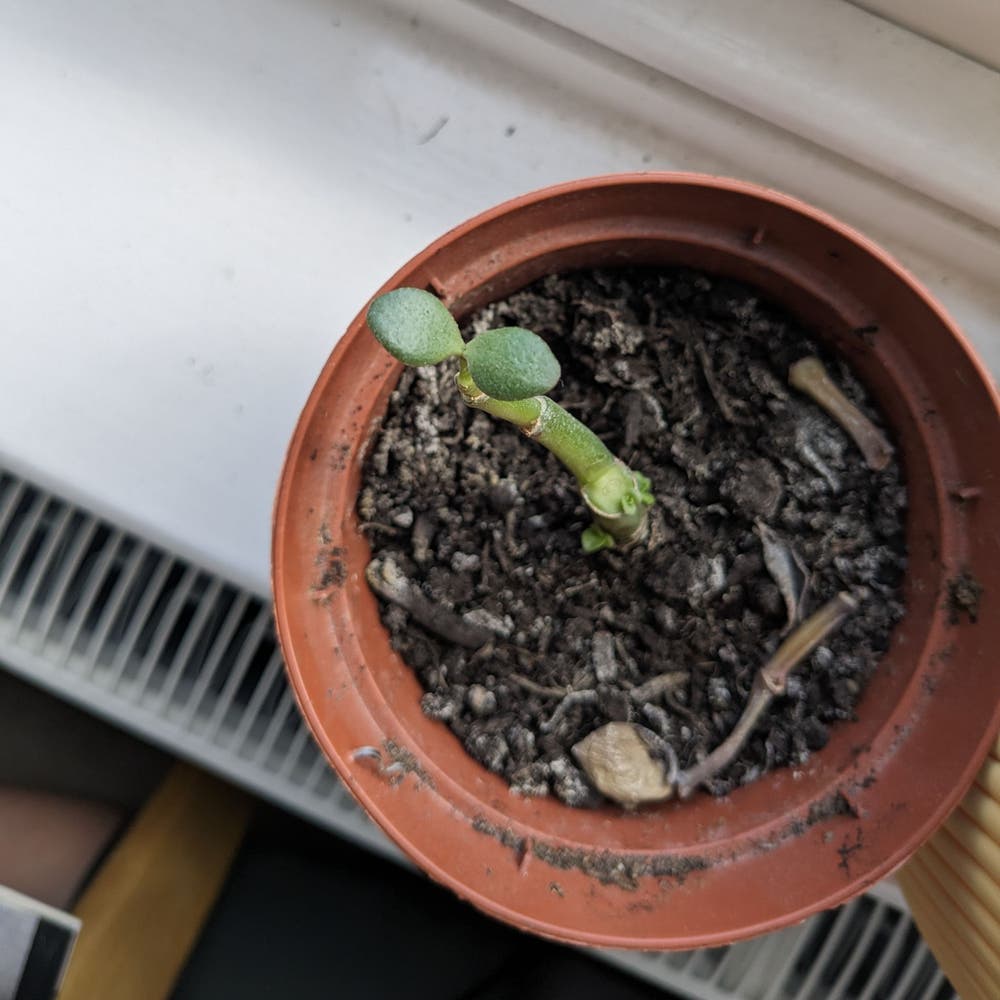
10 Outdoor Care Tips for Jade Plant ☀️
Crassula ovata 'Obliqua'
By the Greg Editorial Team
Nov 07, 2024•6 min read
This article was created with the help of AI so we can cover more plants for you. May contain errors. See one? Report it here.
Unlock the secrets to thriving jade plants 🌱 with essential care tips for every season and climate!
- 🌞 Jade plants need 6-8 hours of sunlight daily for optimal growth.
- 💧 Water only when soil is dry to prevent root rot and ensure health.
- 🌱 Fertilize every 4-6 weeks during growing season for best results.
Outdoor Care Essentials
☀️ Sunlight Requirements
Jade plants thrive in full sun, requiring 6 to 8 hours of direct sunlight daily. Insufficient light can lead to etiolation, where the plant stretches towards the light, resulting in reduced growth and a leggy appearance.
To prevent sunburn, gradually acclimatize your jade plant to increased sunlight exposure. This approach helps the plant adjust without suffering from shock.
💧 Watering Needs and Frequency
Water your jade plant only when the soil has completely dried out. This practice prevents overwatering, which can cause yellowing leaves and root rot.
Conversely, underwatering leads to drooping leaves and shriveling. For optimal hydration, use a deep watering method, ensuring excess water drains out of the pot.
🌱 Soil Preferences and Fertilization
Jade plants prefer a well-draining succulent or cactus mix for optimal growth. The ideal soil pH ranges from slightly acidic to neutral, between 6.0 and 7.0.
During the growing season in spring and summer, fertilize every 4 to 6 weeks. A balanced liquid fertilizer (10-10-10) or a cactus-specific fertilizer will provide the necessary nutrients for your jade plant's health.
With these outdoor care essentials, your jade plant will flourish beautifully. Next, let’s explore the different planting options available for your jade plant.
Planting Options
🌱 Container vs. Ground Planting
Choosing between container and ground planting for your jade plant can significantly impact its growth and care. Each option has its unique benefits and drawbacks that cater to different gardening styles and environments.
🌼 Benefits of Container Planting
Container planting offers remarkable mobility, allowing you to move your jade plant to optimize sunlight exposure or protect it from harsh weather. You also have control over soil quality, ensuring it meets the specific needs of your plant, and the aesthetic flexibility to choose pots that complement your outdoor decor.
⚠️ Drawbacks of Container Planting
However, container planting does come with limitations. The limited root space can restrict growth, while the need for increased watering frequency can be a hassle, especially during hot spells. Additionally, containers can risk overheating, which may stress your plant.
🌳 Benefits of Planting in the Ground
On the flip side, planting in the ground provides a more natural growth environment. This method typically offers better moisture retention and requires less maintenance, as the plant can draw from the surrounding soil's nutrients and moisture.
🐛 Drawbacks of Planting in the Ground
Yet, ground planting isn't without its challenges. You have less control over soil quality, which can lead to issues if the soil isn't ideal for jade plants. There's also a vulnerability to pests and diseases, and relocating your plant can be a daunting task if you decide to change its location.
In summary, both planting options have their pros and cons. Your choice should align with your gardening goals, local climate, and the specific needs of your jade plant. Next, let’s explore how to protect your jade plant from environmental factors to ensure it thrives in its chosen setting.
Protection from Environmental Factors
🌧️ Weather Protection Strategies
Protecting your jade plant from extreme weather is crucial for its health. During cold snaps, use frost cloths or bring containers indoors to shield them from frost damage.
In the heat of summer, shade is your best friend. Providing cover during extreme heat prevents leaf scorch and keeps your plant thriving.
Wind can be just as damaging. Position your jade plant near natural windbreaks or use barriers to minimize exposure to harsh gusts.
🐛 Outdoor Pests and Diseases
Outdoor pests can pose a significant threat to your jade plant. Keep an eye out for common culprits like aphids, mealybugs, and spider mites.
Regular inspections are key to prevention. Applying neem oil can help deter pests, while maintaining overall plant health strengthens its defenses.
If you encounter severe infestations, insecticidal soap is an effective treatment option.
Be aware of common diseases such as root rot and leaf spot. Symptoms of root rot include wilting, yellowing leaves, and mushy roots.
To treat root rot, remove affected roots, improve drainage, and adjust your watering practices. This proactive approach will help keep your jade plant healthy and vibrant.
As you navigate the challenges of outdoor care, remember that vigilance and timely action are your best allies. With the right strategies, your jade plant can flourish despite environmental factors.
Next, let’s explore seasonal care tips to ensure your jade plant thrives throughout the year.
Seasonal Care
🌱 Care Tips for Each Season
Caring for your jade plant varies with the seasons, and each one brings unique tasks to keep your plant thriving. Here’s a breakdown of what to focus on throughout the year.
🌼 Spring: Revitalize Your Jade
Spring is the perfect time for rejuvenation. Start with pruning to remove any dead or leggy growth, promoting a fuller appearance.
Next, it's time to fertilize. Use a balanced fertilizer every 4-6 weeks to support new growth. If your jade is in a pot, consider repotting it into fresh soil to refresh its nutrients.
☀️ Summer: Stay Vigilant
As temperatures rise, your jade plant needs a bit more attention. Adjust your watering routine to ensure the soil dries out between sessions, preventing root rot.
Keep an eye out for pests like aphids and spider mites. Regular inspections can help catch infestations early. If your jade is in direct sunlight, provide some shade during the hottest parts of the day to avoid leaf scorch.
🍂 Fall: Prepare for Change
With fall comes a shift in care. Start reducing watering frequency as temperatures drop, allowing the soil to dry out more between waterings.
Prepare your jade for the colder months by giving it a final fertilization. This will help it store energy for the winter ahead.
❄️ Winter: Adjust Your Approach
Winter care differs significantly for container and ground-planted jade. For container plants, consider bringing them indoors to protect them from frost.
For those planted in the ground, ensure they are well-mulched to retain warmth. Regardless of where your jade is, keep monitoring for pests, as they can still be a problem during the colder months.
By following these seasonal care tips, you’ll ensure your jade plant remains healthy and vibrant all year long. Next, let’s explore how to adapt your care practices based on climate considerations.
Climate Considerations
Adapting Care Practices 🌡️
Caring for your jade plant requires special attention in extreme climates. In hot areas, increase watering and provide shade to prevent sunburn, while in colder regions, use protective coverings to shield your plant from frost.
Monitoring Local Weather 🌦️
Stay vigilant by monitoring local weather conditions. Adjust your jade plant care based on seasonal changes to ensure it thrives throughout the year.
Utilizing Weather Protection Strategies 🛡️
Prepare for unexpected weather events by employing effective protection strategies. This proactive approach can safeguard your jade plant from harsh elements, ensuring it remains healthy and vibrant.
With these climate considerations in mind, you can confidently nurture your jade plant, setting the stage for its flourishing growth. Next, let’s explore seasonal care tips to keep your jade plant thriving all year round.
⚠️ Safety First
This content is for general information and may contain errors, omissions, or outdated details. It is not medical, veterinary advice, or an endorsement of therapeutic claims.
Always consult a qualified healthcare professional before using any plant as food, medicine, or supplement.
Never eat any plant (or feed one to pets) without confirming its identity with at least two trusted sources.
If you suspect poisoning, call Poison Control (800) 222-1222, the Pet Poison Helpline (800) 213-6680, or your local emergency service immediately.
Spotted an error? Please report it here.
Keep your jade plant thriving 🌿 with these 10 outdoor care tips, and let Greg guide you with personalized reminders and expert advice for vibrant growth!