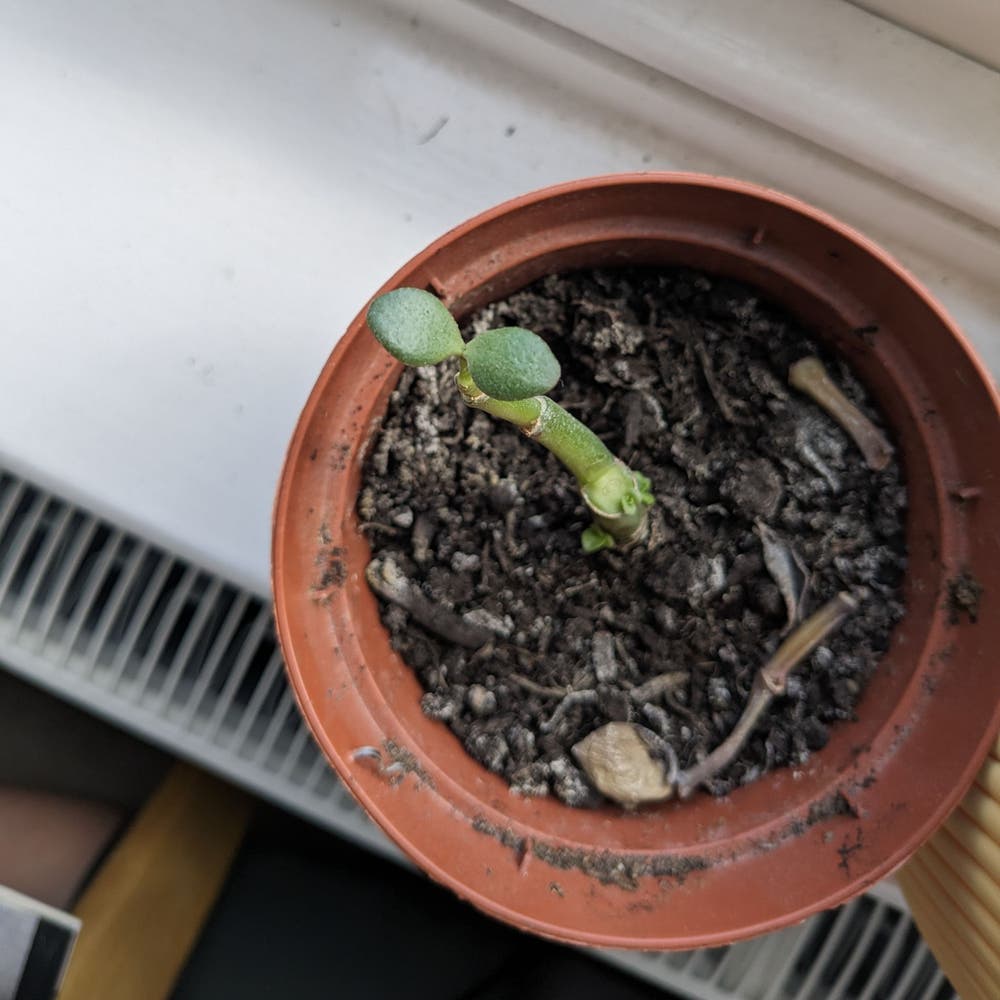
8 Tips for Fertilizing Your Jade Plant
Crassula ovata 'Obliqua'
By the Greg Editorial Team
Nov 07, 2024•5 min read
This article was created with the help of AI so we can cover more plants for you. May contain errors. See one? Report it here.
Transform your jade plant's health 🌱 and unlock the secret to rare blooms with proper fertilization!
- 🌱 Proper fertilization boosts jade plant growth and prevents nutrient deficiencies.
- 💧 Liquid and granular fertilizers offer quick and slow-release options for jade plants.
- ⚠️ Signs of under-fertilization include yellowing leaves and stunted growth; act promptly!
Benefits of Proper Fertilization
Fertilizing your jade plant is more than just a routine task; it’s a game-changer for its growth and vitality. Proper fertilization enhances the growth rate and overall health of your jade plant, ensuring it thrives in your care.
With the right nutrients, your jade plant can bloom under optimal conditions. While flowering is rare, it’s achievable, and the right fertilization can make all the difference.
Moreover, regular fertilization helps prevent nutrient deficiencies. Without adequate nutrients, your jade plant may experience stunted growth or even leaf drop, which can be disheartening for any plant lover.
In summary, proper fertilization not only boosts growth and health but also opens the door to the rare beauty of blooming. It’s a simple yet effective way to keep your jade plant looking its best and thriving for years to come.
Next, let’s explore the best types of fertilizers to use for your jade plant.
Best Types of Fertilizers
Recommended Fertilizer Types 🌱
Choosing the right fertilizer is crucial for your jade plant's health. Organic fertilizers, such as compost or well-rotted manure, enrich the soil naturally, promoting robust growth without harmful chemicals.
Liquid fertilizers are another excellent option. They offer quick absorption and are easy to apply, making them perfect for those who want immediate results.
Granular fertilizers provide a slow-release option, ensuring your jade plant receives nutrients over an extended period. This method is ideal for long-term feeding, reducing the frequency of applications.
N-P-K Ratios 📊
Understanding N-P-K ratios is essential for balanced growth. The ideal ratios for jade plants are 2-1-2 or 3-1-2. These numbers represent the proportions of nitrogen, phosphorus, and potassium.
- Nitrogen is vital for promoting lush leaf growth, giving your jade plant its vibrant green color.
- Phosphorus supports root development and flowering, which is crucial for those rare blooms.
- Potassium enhances overall plant vigor and boosts disease resistance, keeping your jade healthy and thriving.
By selecting the right type of fertilizer and understanding N-P-K ratios, you set your jade plant up for success. This knowledge not only helps in nurturing your plant but also enhances your gardening experience.
Next, we’ll explore when to fertilize your jade plant for optimal results.
When to Fertilize
🌱 Seasonal Fertilization Schedule
Timing is everything when it comes to fertilizing your jade plant.
- Spring: As temperatures rise and growth resumes, it's time to start fertilizing.
- Summer: Continue this routine every 4-6 weeks during the active growth phase.
- Fall: As growth slows, reduce the frequency of fertilization.
- Winter: Give your jade plant a break; no fertilization is needed during its dormant period.
🍽️ Signs That Jade Plant Needs Fertilization
Keep an eye on your jade plant for signs that it might be hungry.
- Pale or Yellowing Leaves: This is often the first indication of nutrient deficiency.
- Stunted Growth: If you notice a lack of new leaves or branches, it may be time to feed your plant.
- Poor Blooming: While jade plants rarely flower, if they do and the blooms are sparse, it could signal a need for nutrients.
Recognizing these signs early can help you keep your jade plant thriving. By following the seasonal schedule and being attentive to its needs, you can ensure your jade plant remains healthy and vibrant.
Next, let’s explore how to effectively fertilize your jade plant for optimal growth.
How to Fertilize
Fertilizing your jade plant is a straightforward process that can significantly enhance its growth and health. Here’s a simple step-by-step guide to get you started.
🌱 Step-by-Step Guide
- Choose the Right Fertilizer Type: Decide between organic options like compost or liquid fertilizers for quick absorption.
- Determine the Appropriate N-P-K Ratio: Look for ratios like 2-1-2 or 3-1-2 to ensure balanced nutrition.
- Prepare the Fertilizer: Follow the package instructions for mixing or diluting your chosen fertilizer.
- Apply During the Growing Season: Fertilize when your jade plant is actively growing, typically in spring and summer, and avoid the dormant winter months.
💧 Application Methods
Liquid Fertilizer
Using liquid fertilizer is quick and effective.
- Mix with Water: Dilute the fertilizer to about 1/4 strength to prevent over-fertilization.
- Apply to Soil: Pour the mixture directly onto the soil, steering clear of the leaves to avoid burns.
Granular Fertilizer
Granular fertilizers offer a slow-release option for your jade plant.
- Sprinkle Evenly: Distribute the granules around the base of the plant for even coverage.
- Water Thoroughly: After application, water the plant well to activate the fertilizer and help it penetrate the soil.
With these methods, your jade plant will receive the nutrients it needs to thrive. Next, let’s explore how to avoid over-fertilization and keep your plant healthy.
Avoiding Over-Fertilization
🌱 Symptoms of Over-Fertilization
Over-fertilization can be detrimental to your jade plant. Look for signs like leaf burn, which manifests as brown tips or edges on leaves.
Additionally, if you notice wilting or drooping leaves despite regular watering, this could indicate a nutrient overload. Excessive leaf drop or yellowing is another red flag that your plant might be receiving too much fertilizer.
⚠️ Correcting Over-Fertilization Issues
If you suspect over-fertilization, take immediate action. Start by flushing the soil with water to dilute the excess fertilizer.
If symptoms persist, consider repotting your jade plant in fresh, nutrient-poor soil. Afterward, monitor your plant's recovery closely and adjust your fertilization practices as needed.
🛡️ Best Practices to Prevent Over-Fertilization
To avoid the pitfalls of over-fertilization, establish a strict feeding schedule based on seasonal needs.
Using diluted fertilizers is a smart approach; it’s better to err on the side of caution. Regularly check soil moisture and overall plant health before deciding to fertilize again.
By following these guidelines, you can ensure your jade plant thrives without the risks associated with over-fertilization. This will set the stage for a healthy, vibrant plant that flourishes in your care.
⚠️ Safety First
This content is for general information and may contain errors, omissions, or outdated details. It is not medical, veterinary advice, or an endorsement of therapeutic claims.
Always consult a qualified healthcare professional before using any plant as food, medicine, or supplement.
Never eat any plant (or feed one to pets) without confirming its identity with at least two trusted sources.
If you suspect poisoning, call Poison Control (800) 222-1222, the Pet Poison Helpline (800) 213-6680, or your local emergency service immediately.
Spotted an error? Please report it here.
Boost your jade plant's health and bloom potential 🌼 with Greg's personalized fertilization reminders and expert care tips that keep your plant thriving all year round!