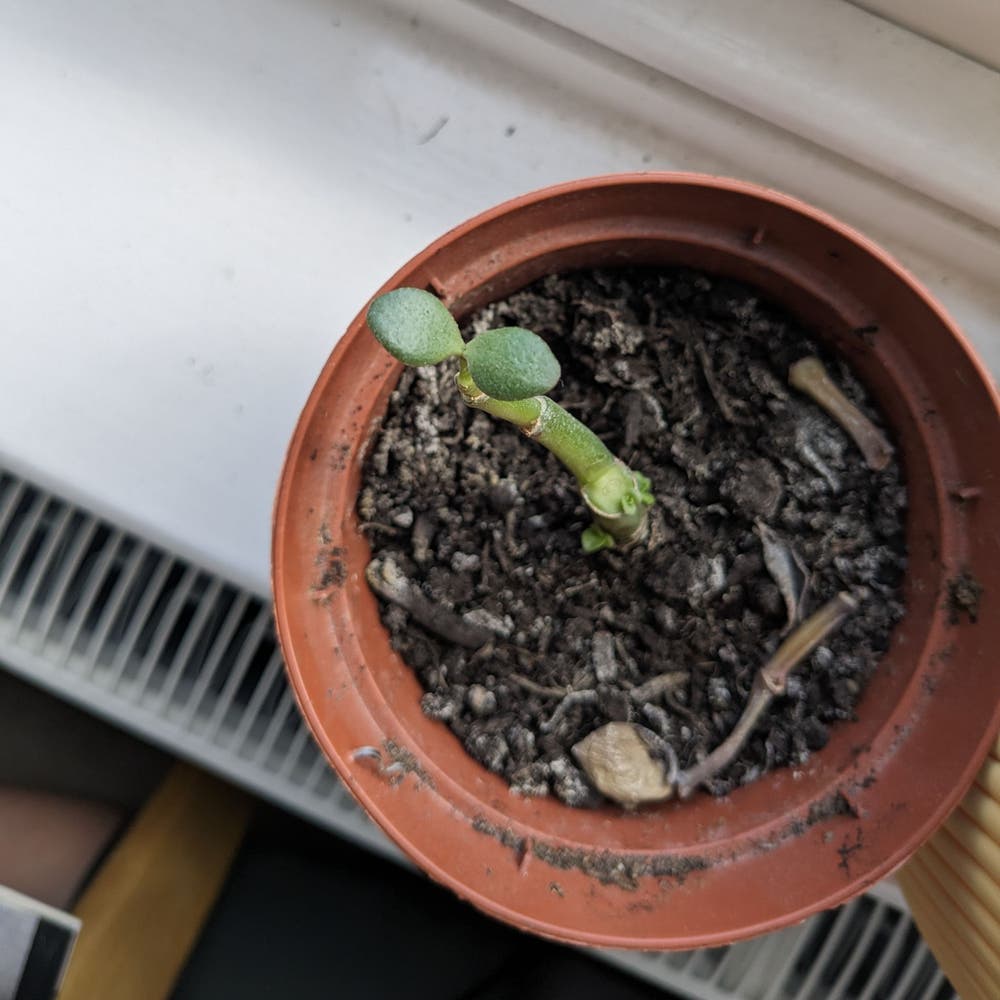
🌱 Jade Plant Zones
Crassula ovata 'Obliqua'
By the Greg Editorial Team
Sep 29, 2024•4 min read
This article was created with the help of AI so we can cover more plants for you. May contain errors. See one? Report it here.
Master jade plant care 🌱 by understanding their temperature needs for vibrant growth and resilience!
- 🌡️ Jade plants thrive best in temperatures between 65°F and 75°F for optimal growth.
- ☀️ They need 6-8 hours of sunlight daily to stay healthy and vibrant.
- ❄️ Avoid frost and extreme cold; jade plants can tolerate down to 20°F.
Jade Plant Temperature Tolerance
❄️ Cold Tolerance
Jade plants can tolerate cold temperatures ranging from 20°F to 30°F (-6°C to -1°C). However, they are sensitive to frost, which can cause significant damage to their leaves and stems.
🔥 Heat Tolerance
For optimal growth, jade plants thrive in temperatures between 65°F and 75°F (18°C to 24°C). With proper care, they can endure higher temperatures, up to 90°F (32°C), making them quite resilient.
🌱 Specific Temperature Ranges for Optimal Growth
To ensure your jade plant flourishes, maintain ideal temperature conditions. It's crucial to avoid drastic temperature fluctuations and extremes, as these can stress the plant and hinder its growth.
Understanding these temperature tolerances will help you create the perfect environment for your jade plant, ensuring it remains healthy and vibrant. Next, let's explore the ideal regions for growing jade plants.
Ideal Regions for Growing Jade Plant
🌍 Examples of Suitable US States
When it comes to growing Jade Plants, certain U.S. states stand out.
- California: Known for its coastal regions, California offers mild winters that are perfect for these succulents.
- Arizona: The warm, dry climate here is ideal, providing the right conditions for Jade Plants to thrive.
- Florida: With ample sunlight and moderate winters, Florida creates a welcoming environment for these resilient plants.
🌱 Factors Contributing to Ideal Growing Conditions
To ensure your Jade Plant flourishes, consider these essential factors.
Sunlight Requirements
Jade Plants thrive on full sun exposure, needing about 6 to 8 hours of sunlight daily. This sunlight is crucial for their growth and overall health.
Humidity Levels
These plants prefer low to moderate humidity. High humidity can lead to issues like root rot, so maintaining the right balance is key.
Soil Conditions
Well-draining soil is essential for preventing root rot. A mix designed for succulents will provide the drainage Jade Plants need to flourish.
Understanding these ideal regions and conditions will set you up for success in growing your Jade Plant. Next, let’s explore how microclimates can further enhance your gardening experience.
Microclimates and Their Impact
🌍 Definition and Importance
Microclimates are localized climate variations that can significantly affect plant growth. Understanding these variations is crucial for gardeners, as they can create unique conditions that enhance or hinder plant health.
🌱 How Microclimates Can Extend Growing Zones
Microclimates can offer favorable conditions for Jade Plants, allowing them to thrive outside their typical growing zones. For instance, urban settings often have heat-retaining materials that create warmer environments, while sheltered areas or south-facing walls can provide additional warmth and protection.
🌊 Examples of Beneficial Microclimates
Urban gardens often utilize heat-retaining materials, which help maintain a stable temperature for plants. Additionally, areas near bodies of water can moderate temperature extremes, creating a more hospitable environment for Jade Plants.
Understanding microclimates can empower you to make the most of your gardening space. By recognizing these localized conditions, you can better position your Jade Plants for success, ensuring they flourish in your unique environment.
State-Level Analysis
🌞 Suitable US States for Jade Plant
If you're looking to grow a thriving Jade Plant, consider states like California, Arizona, Nevada, Texas, Florida, and parts of New Mexico. These regions boast warm climates with plenty of sunshine, which is essential for the health of your succulent.
California's coastal areas, for instance, provide mild winters and ample sunlight. Arizona's dry heat is perfect, while Florida offers a subtropical environment that supports Jade Plant growth.
❄️ Unsuitable US States for Jade Plant
On the flip side, certain states are less than ideal for Jade Plants. Alaska, North Dakota, Minnesota, and parts of the Northeast face extreme cold and high humidity, making it tough for these plants to survive.
In these regions, frost risks are significant, and the harsh winters can be detrimental to your Jade Plant's health.
🚫 Analysis of Unsuitable Conditions
Jade Plants struggle when temperatures dip below their cold tolerance range of 20°F to 30°F (-6°C to -1°C). High humidity levels can also lead to root rot, further jeopardizing their viability.
Frost occurrences can damage the leaves and stems, leading to stunted growth or even plant death. Understanding these unsuitable conditions is crucial for any aspiring Jade Plant owner.
As you explore the best environments for your Jade Plant, consider how microclimates can play a role in extending its growing potential.
⚠️ Safety First
This content is for general information and may contain errors, omissions, or outdated details. It is not medical, veterinary advice, or an endorsement of therapeutic claims.
Always consult a qualified healthcare professional before using any plant as food, medicine, or supplement.
Never eat any plant (or feed one to pets) without confirming its identity with at least two trusted sources.
If you suspect poisoning, call Poison Control (800) 222-1222, the Pet Poison Helpline (800) 213-6680, or your local emergency service immediately.
Spotted an error? Please report it here.
Ensure your jade plant thrives 🌞 by using Greg's tailored care reminders to maintain optimal temperatures and sunlight for its success!