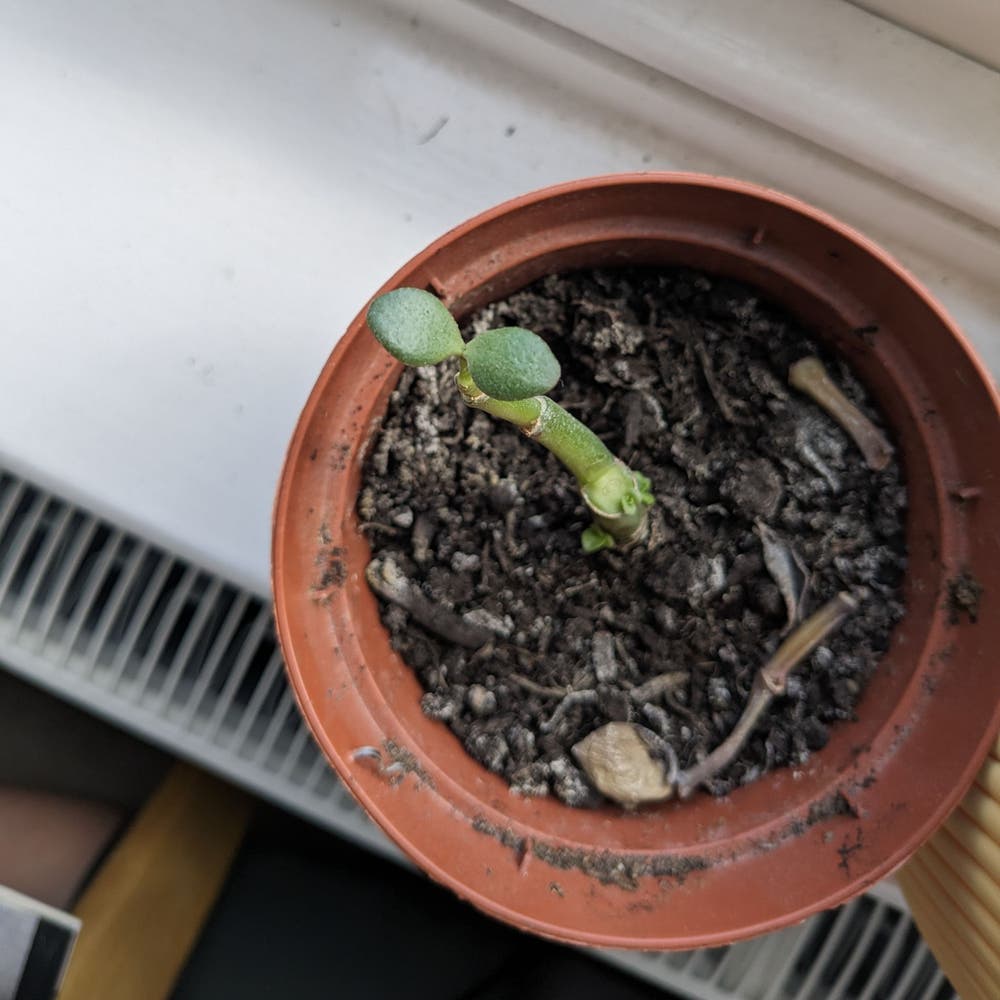
🌱 Everything You Need to Know to Grow Jade Plant
Crassula ovata 'Obliqua'
By the Greg Editorial Team
Nov 07, 2024•6 min read
This article was created with the help of AI so we can cover more plants for you. May contain errors. See one? Report it here.
Unlock the secret to thriving jade plants 🌱 and transform your space with simple care and propagation tips!
- 🌞 Jade plants thrive in bright, indirect sunlight; some direct sun is okay!
- 💧 Water when the top 1-2 inches are dry to prevent overwatering and root rot.
- 🌱 Use well-draining soil and pots with drainage holes for optimal jade plant health.
Growing Conditions
Ideal Location 🌍
When it comes to growing jade plants, location is key. Indoor growing is perfect for small spaces, but ensure they receive adequate light; outdoor jade plants thrive in gardens with well-draining soil and bask in full sun.
Light Requirements ☀️
Jade plants love bright, indirect sunlight and can handle a few hours of direct sun. For optimal growth, place them near south or west-facing windows to soak up the rays.
Temperature and Humidity Preferences 🌡️
The ideal temperature range for jade plants is between 65°F to 75°F (18°C to 24°C). They prefer low humidity, so avoid overly humid environments to keep your plant happy and healthy.
With the right growing conditions established, you’re on your way to nurturing a thriving jade plant. Next, let’s explore the best soil and potting techniques to support your plant’s growth.
Soil and Potting
🌱 Best Soil Types
To keep your jade plant thriving, a well-draining soil mix is essential. The ideal choice is a cactus or succulent potting mix, which allows for proper drainage and aeration.
If you prefer a DIY approach, you can create your own mix. Combine regular potting soil with sand and perlite to enhance drainage and ensure your jade plant's roots stay healthy.
🧑🌾 Soil Preparation Techniques
Preparing the soil correctly sets the foundation for your jade plant's success. Start by ensuring proper aeration and drainage, which are crucial for preventing root rot.
Incorporate coarse materials like sand or perlite into your mix. This not only improves drainage but also helps maintain the right moisture levels for your jade plant.
🪴 Choosing the Right Pot
Selecting the right pot is just as important as the soil. Always opt for pots with drainage holes to prevent waterlogging, which can lead to serious issues for your plant.
Terracotta pots are particularly recommended. Their breathability allows air to circulate around the roots, promoting a healthier growing environment.
With the right soil and potting techniques, your jade plant will have the best chance to flourish. Next, let’s explore how to properly water and fertilize your jade plant for optimal growth.
Watering and Fertilizing
💧 Watering Schedule and Techniques
Watering your jade plant is crucial for its health. Ensure you water thoroughly when the top 1-2 inches of soil feel dry to the touch.
Typically, this means watering every 2-3 weeks. In winter, you can reduce this frequency, as the plant enters a dormant phase.
🚫 Signs of Overwatering and Underwatering
Recognizing the signs of overwatering is essential. If you notice yellowing leaves, mushy stems, or root rot, it’s a clear indication that you’ve given your jade plant too much water.
On the flip side, underwatering can also cause distress. Look for wrinkled leaves, leaf drop, or stunted growth as signs that your plant needs a drink.
🌱 Fertilizing
Fertilizing your jade plant helps it thrive during the growing season. Use a balanced, diluted liquid fertilizer to provide essential nutrients.
Aim to fertilize every 4-6 weeks during spring and summer. However, remember to avoid fertilizing in the fall and winter when the plant is resting.
With proper watering and fertilizing, your jade plant will flourish, setting the stage for healthy growth and vibrant leaves. Next, let’s explore the importance of pruning and maintenance to keep your plant in top shape.
Pruning and Maintenance
When and How to Prune 🌱
Pruning your jade plant in spring is essential for encouraging bushier growth. Use clean, sharp scissors to cut back any leggy growth and remove dead leaves, ensuring your plant remains vibrant and healthy.
Importance of Pruning ✂️
Regular pruning promotes healthy growth and prevents overcrowding. It also helps maintain the desired shape and size of your jade plant, making it a more attractive addition to your home.
Ongoing Care Routine 🔍
Keep an eye out for pests and diseases by regularly inspecting your plant. Additionally, rotating the jade plant periodically ensures even growth and prevents it from leaning towards the light source.
By incorporating these pruning and maintenance practices, you'll foster a thriving jade plant that not only looks great but also flourishes in its environment. Next, let’s explore common challenges you might face and how to tackle them effectively.
Common Challenges and Solutions
🐛 Identifying and Treating Pests
Pests can be a real headache for jade plant owners. Two common culprits are mealybugs and aphids.
Common Pests
Mealybugs: Look for cotton-like masses on leaves. They can weaken your plant by sucking out its sap. Treatment options include neem oil or insecticidal soap, which can effectively eliminate these pests.
Aphids: These tiny insects can cause distorted leaves and leave a sticky residue behind. A simple rinse with water or the application of insecticidal soap can help manage an aphid infestation.
🦠 Addressing Common Diseases
Root rot is one of the most significant threats to jade plants. It often occurs when the plant is overwatered or if the soil doesn’t drain well.
Root Rot
Symptoms: If your jade plant is wilting despite regular watering and you notice yellowing leaves, root rot might be the issue.
Prevention: To avoid this problem, ensure your pot has proper drainage and stick to a careful watering schedule. Less is often more when it comes to jade plants.
🌪️ Tips for Overcoming Environmental Stressors
Environmental factors can also stress your jade plant, impacting its health and growth.
Low Light: If your plant isn’t getting enough light, consider moving it to a brighter location. You can also supplement with grow lights to provide the necessary brightness.
Temperature Fluctuations: Jade plants prefer stable temperatures. Keep them away from drafts and heating vents to maintain a consistent environment.
By addressing these common challenges, you can help your jade plant thrive and enjoy its beauty for years to come. Next, let’s explore effective propagation techniques to expand your jade plant collection.
Propagation Techniques
Propagation is an exciting way to expand your jade plant collection. Whether you're using leaf or stem cuttings, both methods are straightforward and rewarding.
🌱 Methods of Propagation
Leaf Cuttings
- Select healthy leaves: Choose plump, mature leaves for the best chance of success.
- Allow cuttings to callous: Let the cuttings dry for 1-2 days to form a protective layer.
- Plant in well-draining soil: Place the cuttings in soil and water lightly to avoid rot.
- Wait for roots to develop: Typically, roots will form in about 2-4 weeks.
Stem Cuttings
- Cut a healthy stem: Aim for a piece that is 3-4 inches long.
- Allow to callous: Let the cut end dry for 1-2 days to prevent rot.
- Plant in soil: Insert the cut end into well-draining soil for optimal growth.
- Water lightly and wait for roots: Roots usually develop within 2-4 weeks.
Propagation not only allows you to grow new plants but also fosters a deeper connection with your jade plant. As you nurture these cuttings, you'll witness the beauty of growth firsthand.
Next, let's explore the common challenges and solutions you might encounter while caring for your jade plants.
⚠️ Safety First
This content is for general information and may contain errors, omissions, or outdated details. It is not medical, veterinary advice, or an endorsement of therapeutic claims.
Always consult a qualified healthcare professional before using any plant as food, medicine, or supplement.
Never eat any plant (or feed one to pets) without confirming its identity with at least two trusted sources.
If you suspect poisoning, call Poison Control (800) 222-1222, the Pet Poison Helpline (800) 213-6680, or your local emergency service immediately.
Spotted an error? Please report it here.
Grow your jade plant effortlessly 🌱 with Greg's tailored watering reminders and expert tips to keep it thriving in your home!