Button Fern: Not an Annual 🌿
Hemionitis rotundifolia
By the Greg Editorial Team
Oct 11, 2024•5 min read
This article was created with the help of AI so we can cover more plants for you. May contain errors. See one? Report it here.
- 🌱 Button Ferns thrive year after year, distinguishing them from annual plants.
- 🌿 Ideal for shaded areas, they grow slowly but enhance garden aesthetics.
- 🌍 Understanding their lifecycle helps gardeners integrate Button Ferns effectively into ecosystems.
Genetic and Physiological Characteristics
🌱 Long-term Lifecycle of Button Fern
The Button Fern has a fascinating lifecycle that unfolds over several stages. It begins with spore germination, progressing through juvenile and mature phases, allowing it to thrive in various environments.
This fern is not just a fleeting visitor in your garden; it survives and flourishes year after year. Its longevity is a testament to its resilience and adaptability.
📈 Growth Patterns Specific to Button Fern
Button Ferns exhibit slow, steady growth, particularly in shaded environments. This characteristic makes them ideal for those tricky spots in your garden where sunlight is limited.
Their unique round leaflets play a crucial role in photosynthesis, maximizing energy capture even in low-light conditions. This efficient leaf structure is key to their survival and growth.
🌿 Reproductive Strategies
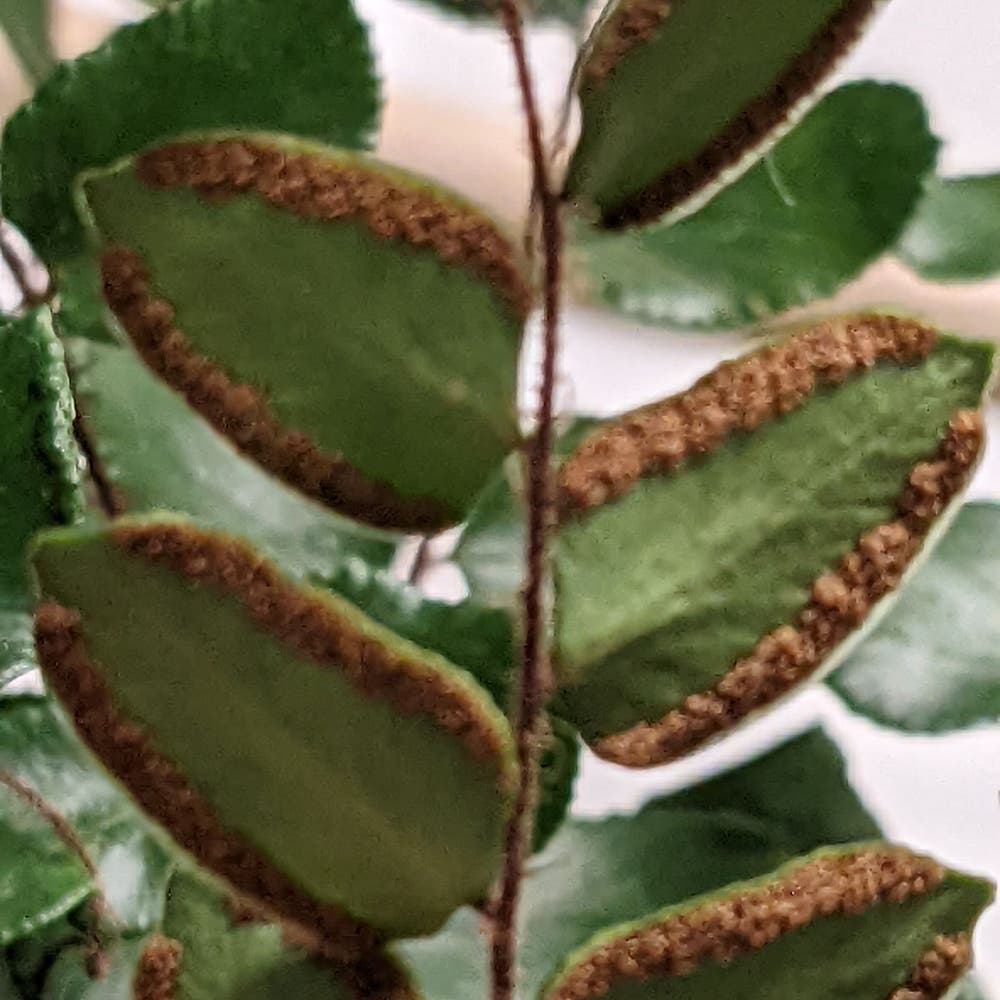
Unlike many plants, Button Ferns reproduce through spores rather than seeds. This method allows them to spread effectively in their preferred habitats.
Spore production typically occurs under specific timing and environmental conditions, ensuring that the fern can thrive in its ecosystem. Understanding these reproductive strategies is essential for anyone looking to cultivate this remarkable plant.
Lifecycle Implications
🌱 Growth and Flowering Cycles
Button Ferns exhibit distinct seasonal growth patterns. They thrive actively during spring and summer, soaking up sunlight and moisture to fuel their growth.
As temperatures drop, these ferns enter a state of dormancy. This energy-conserving phase allows them to withstand colder months while preparing for the next growth cycle.
🌿 Seed Production Compared to Annuals
The Button Fern reproduces through spores rather than seeds. This unique mechanism allows for effective dispersal, ensuring the continuation of the species.
In contrast to annuals, which produce seeds frequently within a single growing season, Button Ferns have a different lifecycle timing. Their sporulation is less frequent, aligning with their long-term growth strategy and resilience.
Understanding these lifecycle implications is crucial for appreciating the Button Fern's role in garden ecosystems. With this knowledge, you can better plan for their integration and care in your own green spaces.
Common Misconceptions
🥀 Misidentification as an Annual
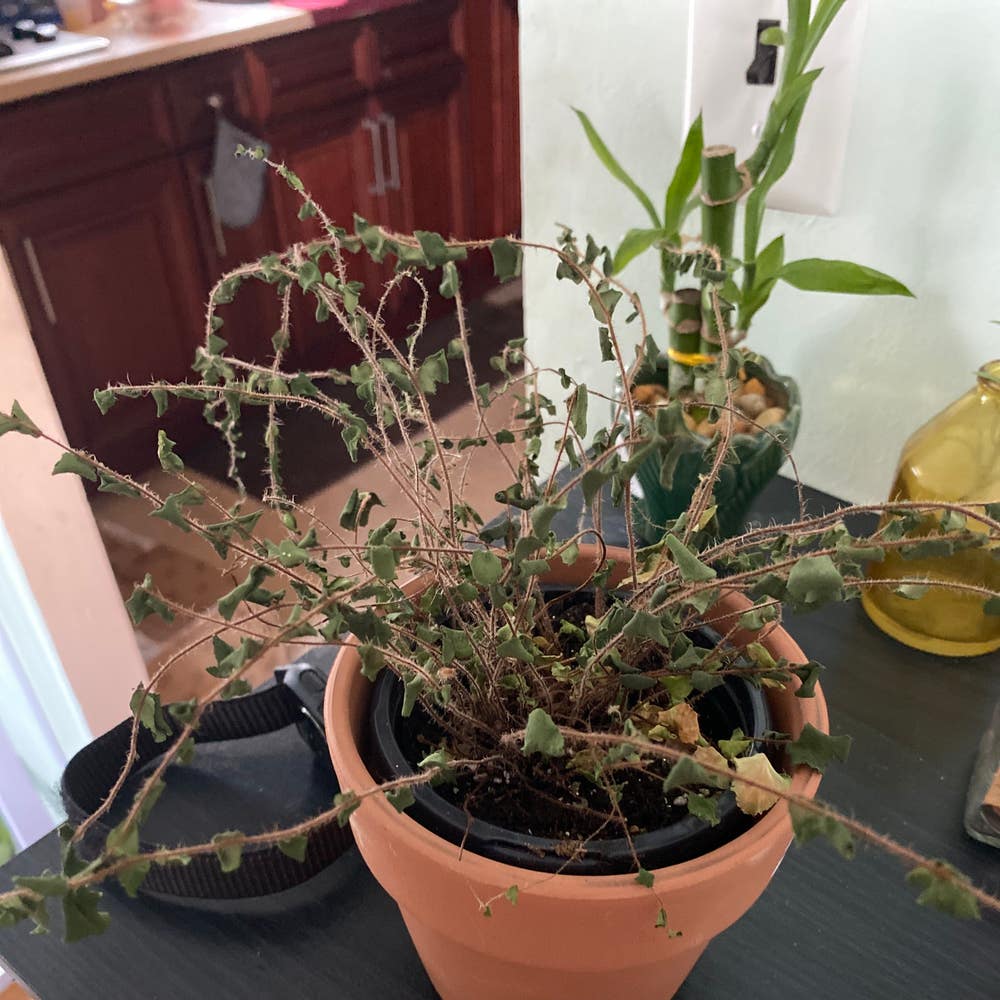
Button Ferns are often mistaken for annuals due to environmental challenges. Harsh winters or poor growing conditions can lead to this misidentification, causing gardeners to mistakenly believe they are short-lived plants.
This misunderstanding can result in mismanagement in garden settings. Many people may remove or neglect Button Ferns, thinking they won't return the following season, when in fact, they thrive year after year.
🌍 Regional Variations
Geographic influences play a significant role in how Button Ferns grow. Climate can greatly affect their lifecycle, leading to different experiences based on location.
For example, in regions with milder winters, Button Ferns may flourish and be recognized for their perennial nature. Conversely, in harsher climates, they might be treated as annuals, further perpetuating the misconception.
Understanding these regional variations is crucial for proper care and appreciation of Button Ferns. This knowledge helps gardeners make informed decisions, ensuring these resilient plants are given the respect they deserve.
As we move forward, let’s explore how to effectively incorporate Button Ferns into garden design and planning.
Garden Design and Planning
🌿 Advantages of Using Button Fern
Incorporating Button Fern into your garden design offers numerous benefits. As a perennial, it provides year-round greenery, enhancing the landscape's visual appeal.
Button Ferns are not just pretty; they also contribute to the ecosystem. They improve soil health and provide habitat for beneficial insects, making your garden a thriving environment.
🌱 Tips for Integration
For optimal growth, plant Button Ferns in shaded, moist areas. They thrive in environments that mimic their natural habitat, ensuring robust health.
Companion planting can enhance your garden's diversity. Pair Button Ferns with other perennials like hostas or astilbes to create a lush, layered look while maximizing moisture retention.
Integrating Button Ferns into your garden not only beautifies the space but also supports ecological balance. This thoughtful approach can transform your garden into a vibrant sanctuary.
As you plan your garden, consider how these strategies can lead to a flourishing, sustainable environment. Next, let’s explore the best practices for managing and ensuring the longevity of your Button Ferns.
Management and Longevity
Best Practices for Management 🌱
To keep your Button Fern thriving, focus on its soil and moisture needs. This fern prefers well-draining, rich soil that retains some moisture but doesn't become waterlogged.
Regularly check the moisture levels, especially in warmer months. A consistent watering schedule will help maintain optimal conditions for growth.
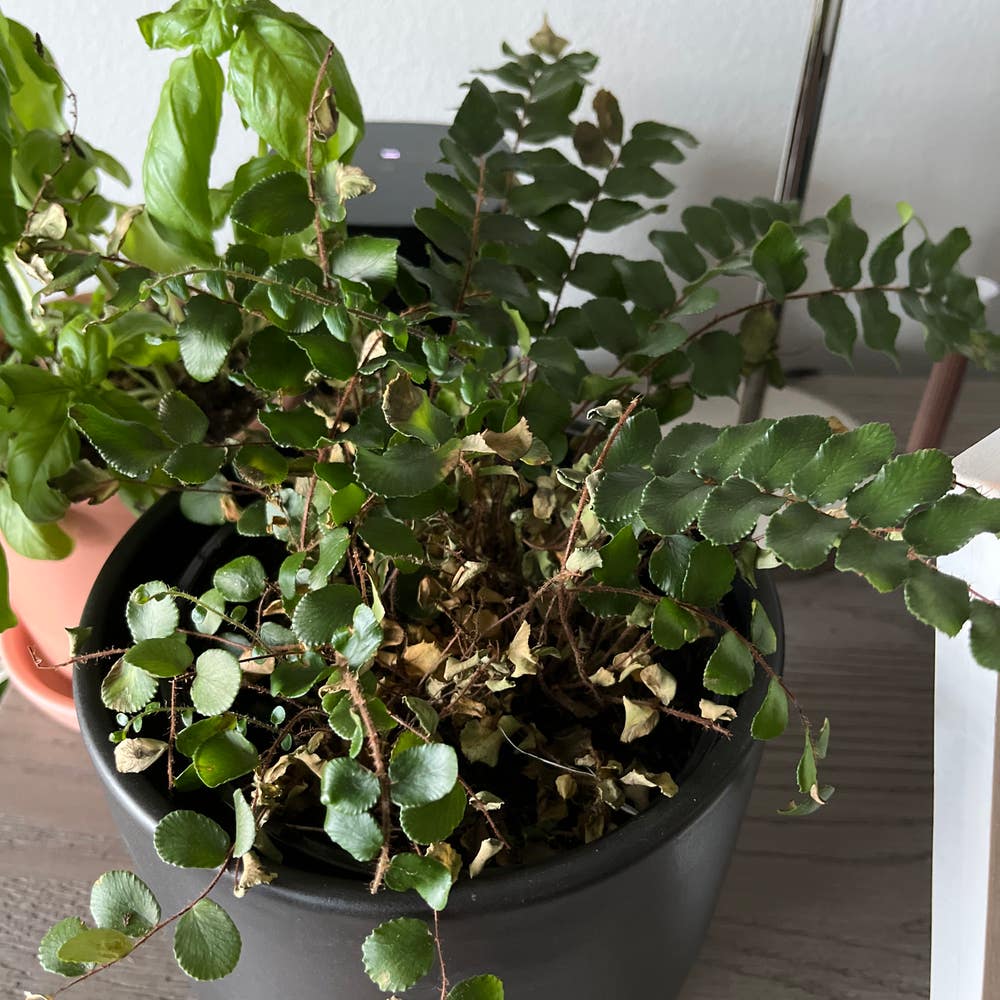
Pruning is another essential practice. Trim away any dead or yellowing fronds to encourage new growth and improve air circulation around the plant.
Maximizing Longevity ⏳
Seasonal care is crucial for the longevity of your Button Fern. Adjust your watering and fertilization practices as the seasons change, ensuring the plant gets what it needs during its active growth phase in spring and summer.
Keep an eye out for pests and diseases. Regular monitoring can help you catch any issues early, ensuring your fern remains healthy and vibrant for years to come.
With the right care, your Button Fern can be a stunning and resilient addition to your garden. Transitioning into the next section, let’s explore how to effectively integrate this perennial into your garden design.
⚠️ Safety First
This content is for general information and may contain errors, omissions, or outdated details. It is not medical, veterinary advice, or an endorsement of therapeutic claims.
Always consult a qualified healthcare professional before using any plant as food, medicine, or supplement.
Never eat any plant (or feed one to pets) without confirming its identity with at least two trusted sources.
If you suspect poisoning, call Poison Control (800) 222-1222, the Pet Poison Helpline (800) 213-6680, or your local emergency service immediately.
Spotted an error? Please report it here.
Transform your garden with thriving Button Ferns 🌿 by using Greg's tailored care reminders to keep them flourishing year after year!