❄️ Top 7 Pot Features Your Winter Heath Will Love
Erica carnea
By the Greg Editorial Team
Sep 30, 2024•5 min read
This article was created with the help of AI so we can cover more plants for you. May contain errors. See one? Report it here.
Unlock your winter heath's full potential 🌱 by choosing the right pot for vibrant growth and health!
- 🌱 Clay pots enhance air exchange and moisture regulation for winter heath's health.
- 🏺 Drainage holes are vital to prevent root rot and ensure thriving plants.
- 🌼 Repot in early spring for optimal growth; choose pots 1-2 inches larger.
Pot Materials
🌱 Advantages of Clay and Plastic Pots
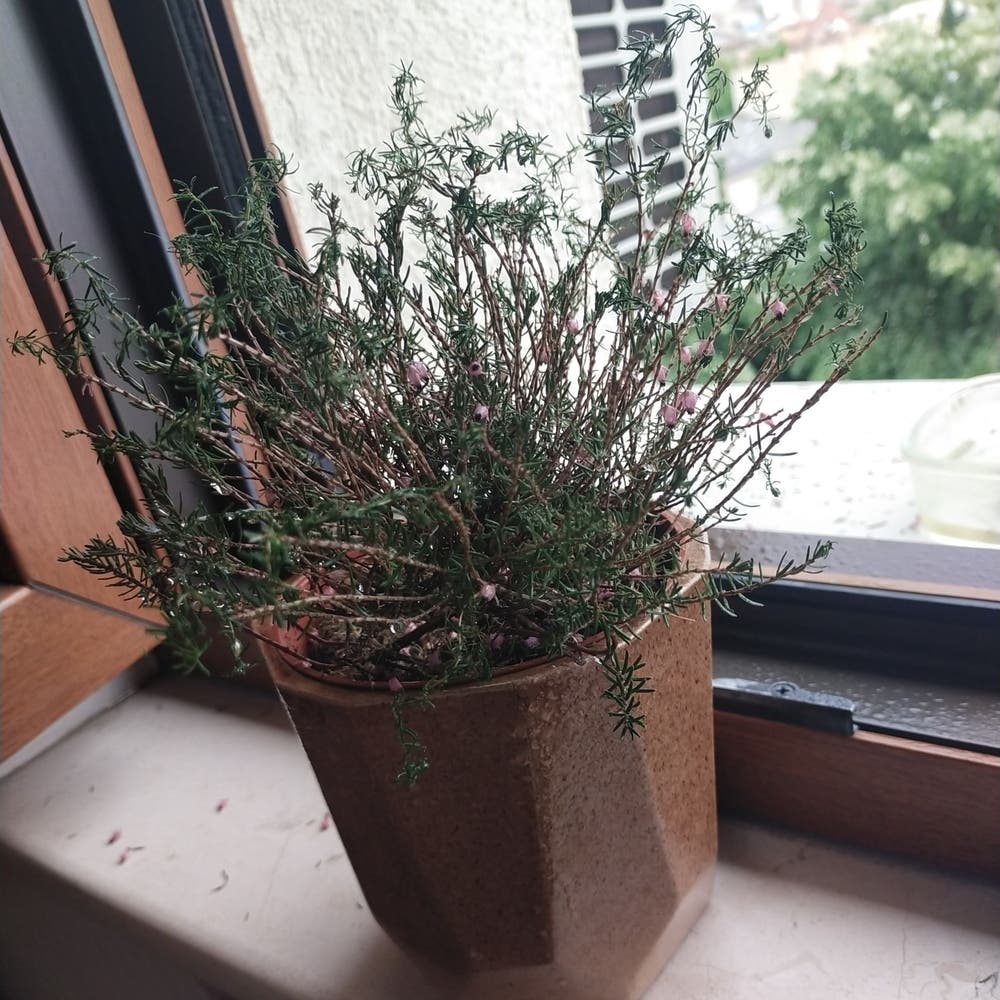
Clay pots are a gardener's best friend. Their porosity allows for excellent air exchange and moisture regulation, which is crucial for healthy root systems.
Additionally, clay pots have a natural aesthetic appeal that enhances any garden setting. They also help regulate temperature, keeping roots cooler during hot days.
On the other hand, plastic pots offer their own set of advantages. They are lightweight, making them easy to move around your garden or patio.
Cost-effectiveness is another plus, as plastic pots are generally cheaper than their clay counterparts. Plus, they retain moisture well, ensuring consistent hydration for your plants.
⚖️ Comparison of Other Materials
When considering pot materials, ceramic is a popular choice. It offers decorative options and good insulation for roots.
However, ceramic pots can be heavier and more expensive, which may not suit every gardener's needs.
Metal pots bring a modern flair to your garden. They are durable and can withstand the elements.
Yet, they heat up quickly, which can pose a risk to root health. It's essential to weigh the pros and cons of each material before making your choice.
Choosing the right pot material can significantly impact your winter heath's growth and overall health. With the right pot, you're setting the stage for a thriving plant.
Drainage Considerations
Importance of Drainage Holes 🌊
Drainage holes are crucial for preventing root rot, which can devastate your winter heath. Healthy root systems thrive when excess water can escape, avoiding the dreaded waterlogged conditions that can suffocate sensitive roots.
Ensuring Proper Drainage 🚰
To ensure your pots provide the best drainage, start by selecting those with pre-drilled holes.
- Add a Layer of Gravel or Stones: Placing a layer at the bottom of the pot helps facilitate drainage.
- Use Well-Draining Potting Mix: Opt for a mix specifically formulated for acidic plants, ensuring moisture levels remain balanced.
By paying attention to these drainage considerations, you can create an optimal environment for your winter heath to flourish. This not only enhances plant health but also contributes to a more vibrant garden aesthetic.
As we move forward, let’s explore how to recognize when it’s time to repot your winter heath for continued growth and vitality.
Repotting Winter Heath
Signs That It's Time to Repot 🌱
Recognizing when to repot your winter heath is crucial for its health. Look for root-bound conditions, where roots are visibly growing out of the drainage holes.
Stunted growth is another indicator; if your plant shows little new growth or flowering, it may need a new home. Additionally, soil degradation, characterized by compacted or nutrient-depleted soil, signals that it's time for a change.
Step-by-Step Guide to Repotting 🛠️
Repotting can seem daunting, but it’s straightforward. Follow these steps for a smooth transition:
- Choose the right pot size: Select a pot that is 1-2 inches larger in diameter than the current one.
- Prepare the new pot: Add a drainage layer at the bottom and fill it with fresh potting mix.
- Remove the plant: Gently loosen the root ball from the old pot to avoid damaging the roots.
- Place in new pot: Center the plant in the new pot and fill around it with potting mix.
- Water thoroughly: Ensure even moisture distribution to help the plant settle in.
Choosing the Right Pot When Repotting 🪴
Selecting the right pot is essential for your plant's success. Consider the growth stage and size of your winter heath to ensure it has enough space.
Material choice should align with your environmental conditions. Finally, evaluate the drainage capabilities of the new pot to prevent waterlogging.
With these tips, your winter heath will thrive in its new home, ready to flourish in the seasons ahead.
Impact of Pot Choice on Growth
🪴 Effects on Root Health and Growth
Choosing the right pot is crucial for your winter heath's health. Adequate root space promotes robust growth, allowing roots to spread and absorb nutrients effectively.
Different pot materials also play a significant role in moisture retention and temperature regulation. For instance, clay pots breathe better, helping to keep roots cool, while plastic pots can trap heat, affecting root health.
💧 Moisture Retention Considerations
When it comes to moisture retention, pot size matters. Larger pots can hold more moisture, but this can lead to overwatering, which is detrimental to your plant's health.
Clay pots allow for evaporation, reducing moisture retention and helping to prevent root rot. On the other hand, plastic pots tend to retain moisture longer, so you'll need to be more vigilant with your watering practices to avoid soggy soil.
Understanding these dynamics will help you make informed choices that support your winter heath's growth and vitality. Next, let’s explore the best times to repot your plants for optimal results.
Seasonal Considerations
Best Times to Repot 🌱
Timing is everything when it comes to repotting your winter heath. Early spring is ideal, just before new growth kicks in, allowing your plant to thrive in its new environment.
Late summer is another key time, especially for established plants. Repotting after flowering ensures they have the best chance to settle in before the colder months.
Seasonal Growth Patterns 🌸
Understanding seasonal growth patterns can significantly impact your plant's health. In spring, your winter heath enters an active growth phase, making it the perfect time to consider larger pots to accommodate expanding roots.
Conversely, winter brings a dormant phase. During this time, smaller pots may suffice, as the plant requires less space and resources for minimal growth.
By aligning your repotting schedule with these seasonal cues, you can foster a healthier, more vibrant winter heath. This proactive approach not only enhances growth but also prepares your plant for the challenges of each season.
⚠️ Safety First
This content is for general information and may contain errors, omissions, or outdated details. It is not medical, veterinary advice, or an endorsement of therapeutic claims.
Always consult a qualified healthcare professional before using any plant as food, medicine, or supplement.
Never eat any plant (or feed one to pets) without confirming its identity with at least two trusted sources.
If you suspect poisoning, call Poison Control (800) 222-1222, the Pet Poison Helpline (800) 213-6680, or your local emergency service immediately.
Spotted an error? Please report it here.
Choose the perfect pot for your winter heath with Greg's tailored tips and reminders, ensuring your plant thrives all season long! 🌿