❄️ Why Winter Heath Is Not an Annual
Erica carnea
By the Greg Editorial Team
Sep 30, 2024•2 min read
This article was created with the help of AI so we can cover more plants for you. May contain errors. See one? Report it here.
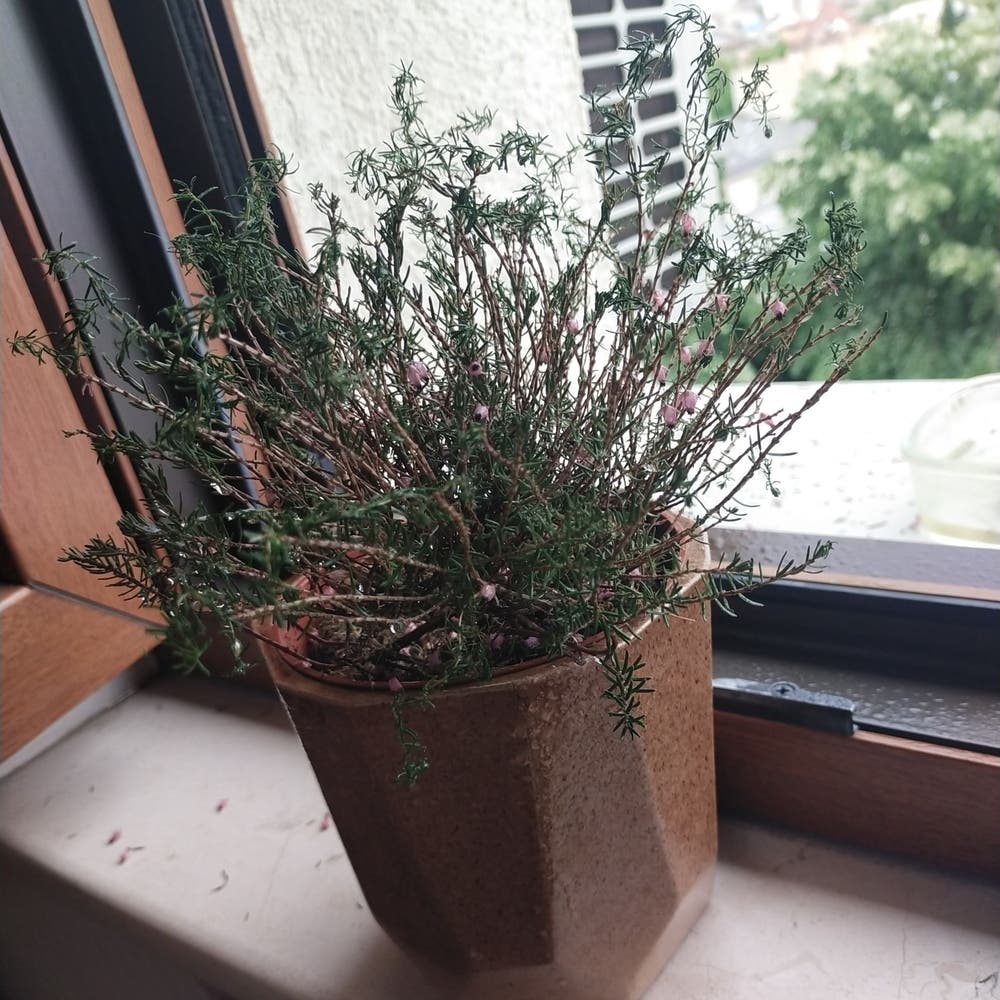
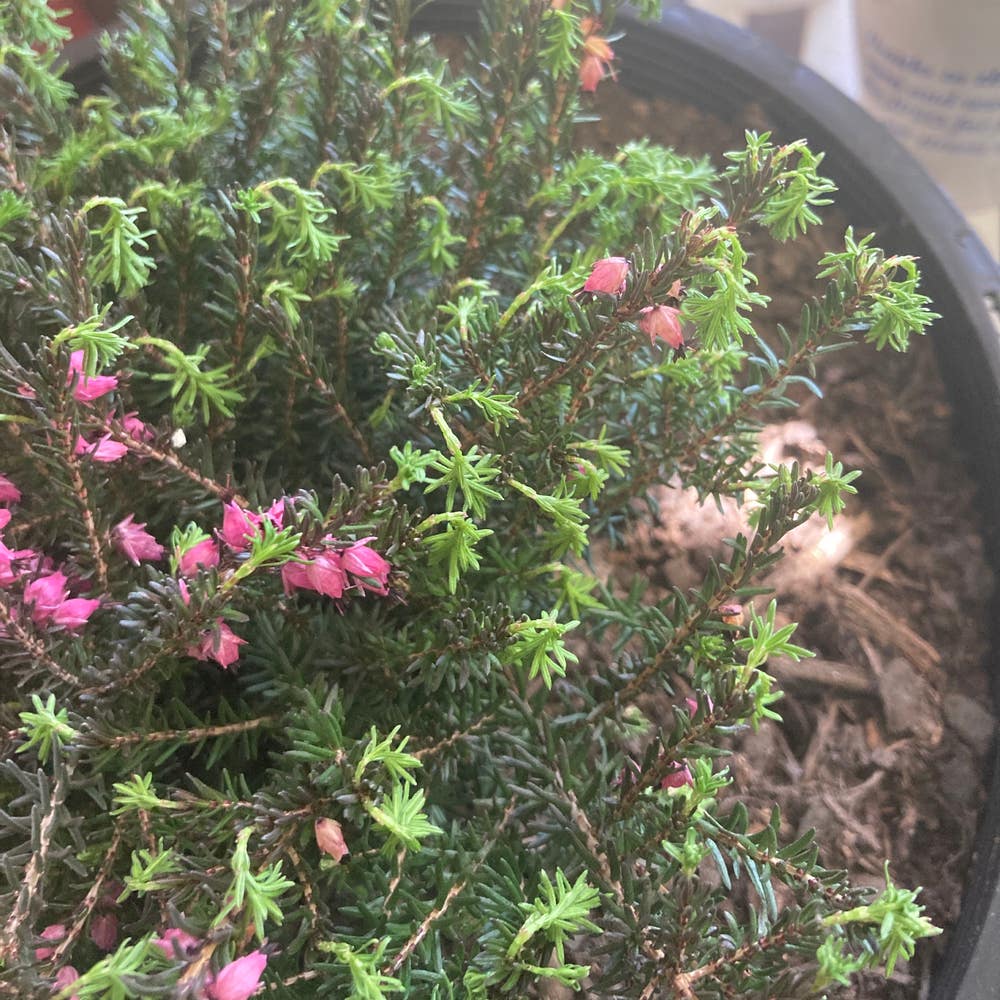
Elevate your garden with Winter Heath 🌼, a resilient perennial that blooms early and supports local wildlife's return!
- 🌱 Winter Heath is a perennial, thriving in harsh winters with unique genetic traits.
- 🌼 Blooms early, attracting pollinators and adding color to winter landscapes.
- 🌍 Supports local ecosystems while providing ground cover and preventing soil erosion.
Winter Heath as a Perennial
🌱 Genetic Characteristics
Winter Heath, scientifically classified as Erica carnea, showcases unique genetic traits that enable its perennial nature. This classification places it firmly within the Ericaceae family, highlighting its adaptability and resilience.
The genetic adaptations of Winter Heath include traits that support its ability to thrive year after year. These adaptations allow it to withstand harsh winters and emerge vibrantly in the spring.
🌿 Physiological Traits Supporting Perennial Growth
One of the standout features of Winter Heath is its deep and extensive root system. This robust root structure is essential for efficient nutrient uptake, allowing the plant to access resources even in challenging conditions.
Additionally, the leaf structure of Winter Heath is specifically designed for cold tolerance and moisture retention. These adaptations ensure that the plant remains healthy and hydrated, even during the driest winter months.
🌼 Lifecycle and Growth Patterns
Winter Heath exhibits a unique growth habit characterized by dense mat formation. This ground cover not only provides aesthetic appeal but also helps prevent soil erosion.
Its seasonal growth is particularly noteworthy, as it blooms early in late winter to early spring. This early flowering not only brightens the landscape but also signals the arrival of warmer weather.
🌸 Reproductive Strategies
The flowering cycles of Winter Heath occur from late winter to early spring, making it a beacon of color during a typically drab season. This timing is crucial for attracting early pollinators.
In terms of seed production, Winter Heath employs mechanisms that differ from annual plants. Its ability to produce seeds while conserving energy during dormancy is a testament to its survival strategies.
🌳 Implications for Gardeners
Incorporating Winter Heath into your garden offers numerous benefits, including aesthetic appeal and ecological advantages. Its vibrant blooms can enhance any landscape, while its ground cover supports local wildlife.
To maximize the longevity of Winter Heath, proper soil preparation and mulching are essential. These practices help create an optimal environment for growth and resilience.
Finally, managing Winter Heath involves understanding effective pruning practices and seasonal care. Regular maintenance ensures that this perennial continues to thrive and beautify your garden for years to come.
As we explore the next section, we'll delve deeper into the specific benefits of Winter Heath for gardeners and how to best care for this resilient plant.
⚠️ Safety First
This content is for general information and may contain errors, omissions, or outdated details. It is not medical, veterinary advice, or an endorsement of therapeutic claims.
Always consult a qualified healthcare professional before using any plant as food, medicine, or supplement.
Never eat any plant (or feed one to pets) without confirming its identity with at least two trusted sources.
If you suspect poisoning, call Poison Control (800) 222-1222, the Pet Poison Helpline (800) 213-6680, or your local emergency service immediately.
Spotted an error? Please report it here.
Elevate your garden with the vibrant blooms of Winter Heath 🌸, and let Greg guide you with tailored care tips to ensure this resilient perennial thrives beautifully through every season!