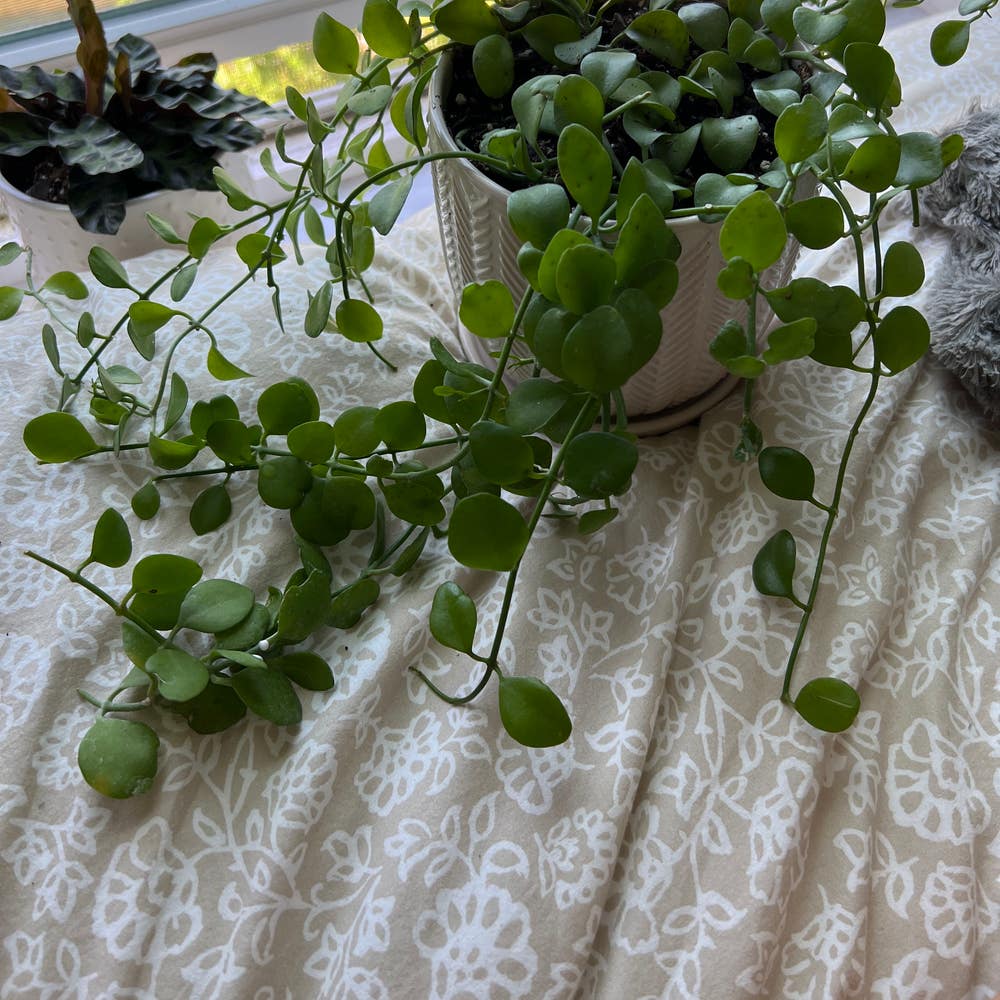
10 Ideal Locations to Plant Your String of Nickels 💰
Dischidia nummularia
By the Greg Editorial Team
Oct 02, 2024•5 min read
This article was created with the help of AI so we can cover more plants for you. May contain errors. See one? Report it here.
Master sunlight and soil for a thriving String of Nickels 🌱 with these essential planting tips!
- 🌞 String of Nickels thrives in bright, indirect sunlight; avoid direct exposure to prevent scorch.
- 🌿 Use well-draining soil for healthy roots; mix potting soil, perlite, and sand.
- 🏡 Position near east or west windows indoors, or in dappled sunlight outdoors for optimal growth.
Sunlight Exposure Requirements
Optimal Conditions 🌞
String of Nickels thrives in bright, indirect sunlight. Direct sunlight can scorch its delicate leaves, making filtered light the best choice for healthy growth.
Shade Tolerance 🌳
While it can tolerate some shade, String of Nickels won't flourish in low-light conditions. Aim for locations that provide 4-6 hours of indirect sunlight daily for optimal health.
Indoor vs. Outdoor Exposure 🪴
For indoor planting, position your String of Nickels near east or west-facing windows to maximize light exposure. If planting outdoors, select spots with dappled sunlight or partial shade, especially during the peak afternoon hours.
Understanding these sunlight exposure requirements is crucial for your String of Nickels to thrive. Next, let’s explore the soil type preferences that will further support its growth.
Soil Type Preferences
Well-Draining Soil 🌊
String of Nickels thrives in well-draining soil, which is crucial for preventing root rot. A recommended soil mix consists of 50% potting soil, 25% perlite, and 25% sand to ensure optimal drainage.
Soil pH and Nutrient Needs ⚗️
This succulent prefers a slightly acidic to neutral pH, ideally between 6.0 and 7.0. Minimal fertilization is needed; instead, focus on maintaining good soil structure and drainage to keep your plant healthy.
Practical Considerations 🧑🌾
When selecting soil, consider its texture and composition. A well-balanced mix will not only support growth but also enhance the overall health of your String of Nickels.
Final Thoughts 💭
Choosing the right soil is a foundational step in caring for your String of Nickels. With the right conditions, your plant can flourish, setting the stage for vibrant growth and beauty.
Next, let’s explore how to position your String of Nickels in relation to other plants and structures for optimal growth.
Proximity to Other Plants and Structures
🌱 Companion Planting
String of Nickels thrives when planted alongside other drought-tolerant succulents. This pairing helps maintain similar watering needs, ensuring your plants stay healthy and vibrant.
Avoid placing them near moisture-loving plants, as this can lead to overwatering and root rot. Keeping your String of Nickels in a dry environment is key to their success.
🏡 Proximity to Structures
Positioning your String of Nickels near walls or fences can provide much-needed shade during the hottest parts of the day. This strategic placement helps protect them from harsh sunlight while still allowing for adequate light exposure.
Ensure there’s enough space between your plants and structures to promote good air circulation. This prevents stagnant air, which can lead to fungal issues and keeps your plants thriving.
By carefully considering these factors, you can create a harmonious environment for your String of Nickels, enhancing their growth and overall health. Next, let’s explore how to assess the best spot for your plants by evaluating microclimates.
Assessing the Best Spot
🌤️ Evaluating Microclimates
Finding the perfect spot for your String of Nickels starts with understanding microclimates in your garden. Look for areas that might be warmer, like spots near walls, where sunlight can linger longer.
Observe how sunlight and shade patterns shift throughout the day. This insight will help you choose a location that maximizes light exposure while minimizing harsh conditions.
🌬️ Wind Protection Strategies
Strong winds can wreak havoc on your delicate plants. To safeguard your String of Nickels, consider using natural barriers like shrubs or fences.
These barriers not only protect against gusts but also create a more stable environment for your plants to thrive. A little wind protection goes a long way in ensuring healthy growth.
By carefully evaluating microclimates and implementing wind protection strategies, you're setting your String of Nickels up for success. Next, let’s dive into some practical tips for site selection that will further enhance your planting experience.
Practical Tips for Site Selection
🌞 Observing Light Patterns
To ensure your String of Nickels thrives, take time to observe how light moves across your potential planting area throughout the day. This simple act can reveal the best spots for optimal growth.
🍂 Seasonal Light Changes
Don’t forget to note any changes in light exposure with the seasons. What works in summer might not be ideal in winter, so stay flexible.
🧪 Testing Soil Conditions
Conducting a soil test is crucial for assessing drainage and pH levels. This step helps you understand what amendments are necessary to create the ideal conditions for your plant.
🏗️ Soil Amendments
If your soil isn’t up to par, don’t hesitate to amend it. Adding perlite or sand can improve drainage, making it more suitable for your String of Nickels.
🌍 Considering Seasonal Changes
Be mindful of how seasonal changes affect light and temperature in your chosen location. This awareness will help you make informed decisions about potential relocations or adjustments.
📈 Planning for Growth
As your plant grows, it may require different conditions. Planning ahead can save you time and effort in the long run.
By following these practical tips, you’ll set your String of Nickels up for success. Next, let’s dive into assessing the best spot for your plant, focusing on microclimates and wind protection strategies.
⚠️ Safety First
This content is for general information and may contain errors, omissions, or outdated details. It is not medical, veterinary advice, or an endorsement of therapeutic claims.
Always consult a qualified healthcare professional before using any plant as food, medicine, or supplement.
Never eat any plant (or feed one to pets) without confirming its identity with at least two trusted sources.
If you suspect poisoning, call Poison Control (800) 222-1222, the Pet Poison Helpline (800) 213-6680, or your local emergency service immediately.
Spotted an error? Please report it here.
Create a thriving home for your String of Nickels 🌱 by using Greg's tailored care tips and reminders to ensure it gets the perfect light and soil conditions for stunning growth!