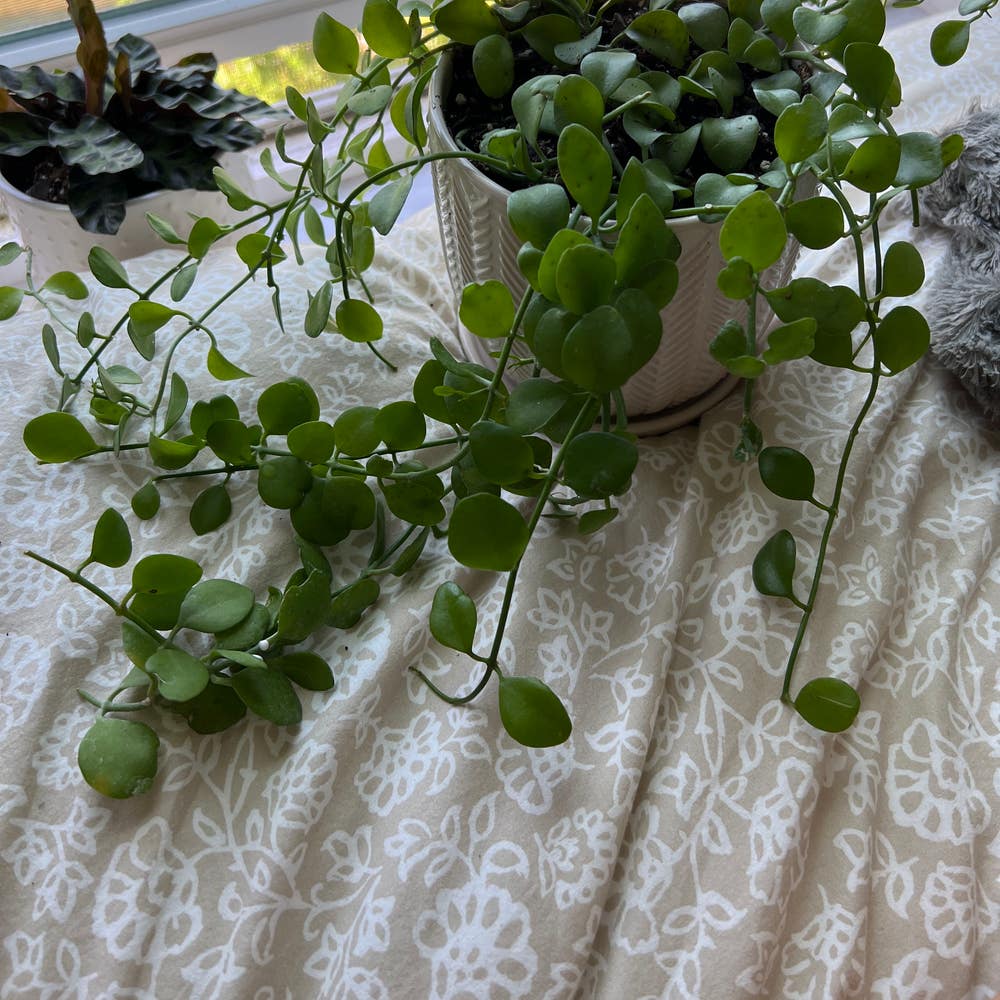
How to Propagate Your String of Nickels
Dischidia nummularia
By the Greg Editorial Team
Jun 18, 2024•5 min read
This article was created with the help of AI so we can cover more plants for you. May contain errors. See one? Report it here.
Discover the joy of multiplying your String of Nickels with fail-proof propagation methods! 🌱✂️
- Choose the right stem and use clean shears for successful propagation.
- Soil or water propagation both work; maintain 65-75°F and high humidity.
- Post-propagation care: Bright light, moist soil, and patience are crucial.
Kickstarting Propagation: Choosing Your Method
🌱 Stem Cuttings
Selecting the right stem is the cornerstone of propagation. Look for stems that scream health and vitality, with no signs of wilting or discoloration. Snip just below a leaf node, where roots are itching to burst forth. Clean shears are non-negotiable—think surgery clean.
🌿 Preparing Your Cuttings
Once you've got your cutting, strip off the lower leaves like you're prepping a pineapple for a tropical drink. Rooting hormone is your cutting's hype man, not essential but definitely helpful. It's like a pep talk for roots.
🌱 Rooting Setup: Soil vs. Water
Now, for the grand decision: soil or water? Each has its fan club. Water propagation is like a reality show—you get to watch every twist and turn of root development. Soil, on the other hand, is a mystery novel with the big reveal at the end. Both can lead to a happy ending, but well-draining soil is the classic choice for succulents like the String of Nickels.
🌿 Division
Division is like giving your plant a fresh start. It's the horticultural equivalent of moving out and getting your own place. Timing is everything—do it when your plant looks like it's outgrowing its pot or when you see multiple stems begging for independence.
🌱 Separating and Potting Up
Gently tease the plants apart, keeping as many roots intact as possible. It's like untangling headphones—patience is key. Pot each new section in its own cozy abode with well-draining soil. It's their first step towards solo living, so make it comfortable.

Creating the Ideal Propagation Environment
💡 Light and Temperature
In the quest for rooting success, light and temperature are your propagation wingmen. Bright, indirect light is the sweet spot, providing energy without scorching your delicate cuttings. Aim for a cozy temperature range of 65-75°F; it's the comfort zone where roots feel brave enough to emerge. If your indoor climate feels more like a refrigerator than a snug nook, consider a heat mat to nudge the thermometer in your favor.
🌬️ Humidity and Watering
Humidity is the unsung hero in the propagation saga, preventing your plant babies from drying out like last year's potpourri. Strive for high humidity—think tropical but not monsoon. Watering is a balancing act; keep the soil consistently moist but never soggy. Overwatering is the equivalent of helicopter parenting in the plant world—it does more harm than good. If you're the type who forgets to water, a clear container might just save the day, letting you peek at the moisture level without disturbing the cuttings' slumber.

After Propagation: Ensuring Growth and Health
🌱 Post-Propagation Care
Once your String of Nickels has established roots, it's time to shift gears. The cozy incubation period is over, and your plant is ready for the real world.
Bright, indirect light is the new best friend for your fledgling plant. It's like the plant's first apartment: safe and secure, but with enough light to thrive without the risk of sunburn.
Keep the soil consistently moist but not waterlogged. Overwatering is the fast track to root rot, the bane of your String of Nickels' existence.
When to Pot Up
When it's time to move your new String of Nickels to its permanent home, choose a pot that's a size up. Not too big, not too small – just right to avoid drowning the roots in excess soil.
Well-draining medium is crucial. Whether it's orchid potting mix, shredded coco coir, or shredded bark, make sure it's the equivalent of a well-aerated loft for roots.
Avoid fertilizing for the first few weeks. Let the roots settle in before throwing a nutrient housewarming party.
Remember, patience is key. Your propagated String of Nickels is like a young adult; it needs support and the right environment to grow into a robust, trailing beauty.

Solving Propagation Puzzles: Troubleshooting Tips
🌱 Rooting Challenges
When your String of Nickels cuttings are more stubborn than a cat at bath time, it's troubleshooting time. Root rot is the usual suspect—it turns roots into a mushy mess. If you spot black, soggy roots, it's time for surgery. Snip the bad parts, let the good bits air out, and replant in soil that drains faster than a leaky bucket.
Light is another make-or-break factor. Too little, and your cuttings sulk; too much, and they're toast. Aim for the Goldilocks zone of bright, indirect light. If your cuttings are still lounging around lazily, consider a pep talk with some rooting hormone.
🐛 Pest and Disease Prevention
Pests and diseases are like those uninvited party crashers. Keep them out by starting with clean tools and cuttings. If gray mold or powdery mildew gatecrash, show them the door by snipping off affected areas and going ninja with a fungicide.
Humidity can be a friend or a foe. You want a tropical vibe, not a sauna. Strike a balance to keep your baby Nickels from drowning in moisture. And remember, good airflow is like a bouncer for fungal foes—it keeps troublemakers at bay.
Keep these tips in your back pocket, and you'll go from propagation novice to String of Nickels whisperer in no time.
⚠️ Safety First
This content is for general information and may contain errors, omissions, or outdated details. It is not medical, veterinary advice, or an endorsement of therapeutic claims.
Always consult a qualified healthcare professional before using any plant as food, medicine, or supplement.
Never eat any plant (or feed one to pets) without confirming its identity with at least two trusted sources.
If you suspect poisoning, call Poison Control (800) 222-1222, the Pet Poison Helpline (800) 213-6680, or your local emergency service immediately.
Spotted an error? Please report it here.
Turn your String of Nickels into a treasure trove with effortless propagation 🪙, as Greg guides you with tailored reminders for each crucial step, from cutting to thriving.