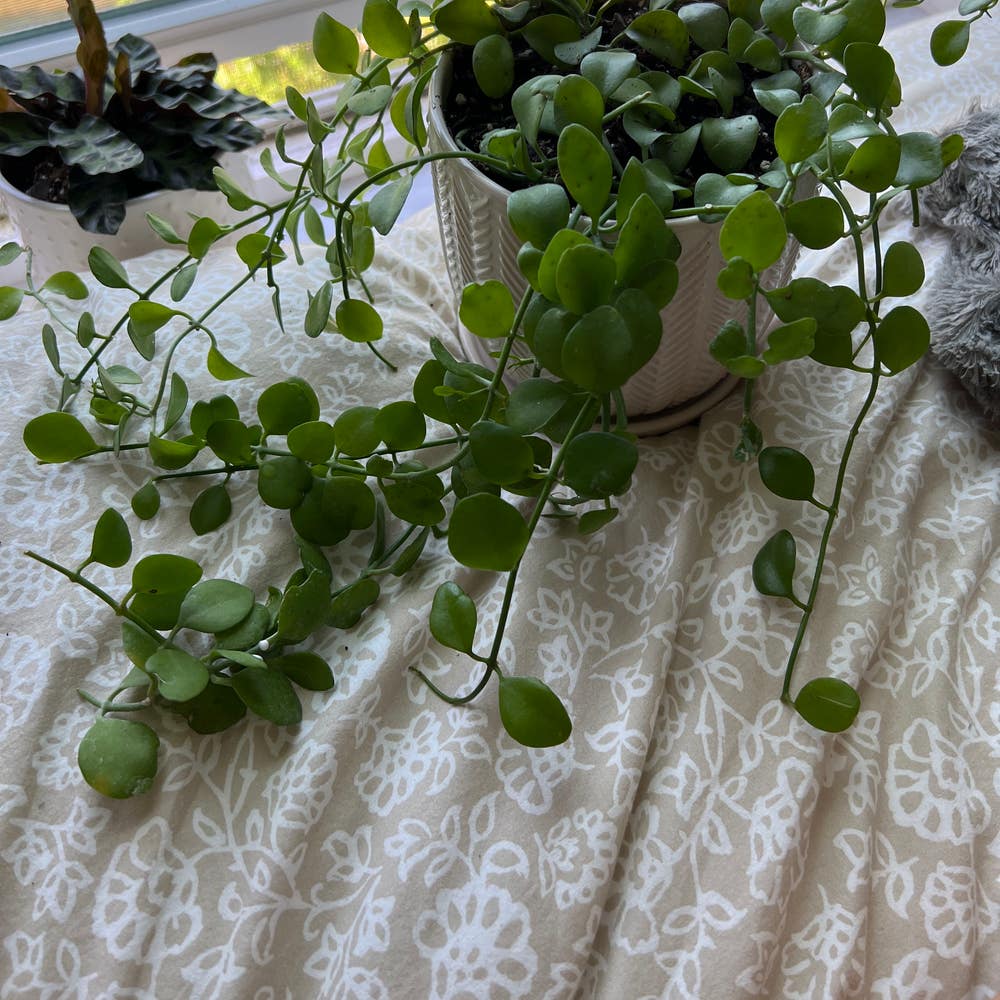
4 Factors Affecting String of Nickels Flowering 🌼
Dischidia nummularia
By the Greg Editorial Team
Oct 02, 2024•5 min read
This article was created with the help of AI so we can cover more plants for you. May contain errors. See one? Report it here.
Transform your String of Nickels into a blooming beauty 🌼 with essential tips on light, nutrition, and pruning!
- 🌞 Bright, indirect light for 6-8 hours daily is essential for blooming.
- ✂️ Regular pruning promotes bushier growth and more flowers; do it in early spring.
- 🌱 Balanced fertilization every 4-6 weeks supports healthy blooms and prevents deficiencies.
Light Requirements for Flowering
🌼 Importance of Adequate Light for Blooming
Bright, indirect light is crucial for your String of Nickels to flourish and produce beautiful blooms. Aim for 6-8 hours of light daily to support healthy growth and a vibrant bloom cycle.
☀️ Effects of Too Much or Too Little Light
Too Much Light
Excessive light can lead to leaf scorch, faded colors, and reduced flowering. If you notice these symptoms, consider moving your plant to a location with filtered light or using sheer curtains to soften the intensity.
🌑 Too Little Light
On the flip side, insufficient light results in leggy growth, poor flowering, and an overall decline in health. To remedy this, relocate your plant to a brighter area or supplement with grow lights to ensure it gets the light it needs.
⚖️ Finding the Right Balance
Striking the right balance in light exposure is essential for optimal flowering. Regularly assess your plant's condition and adjust its environment to keep it thriving and blooming beautifully.
With the right light conditions established, you can now focus on the nutritional needs that will further enhance your String of Nickels' flowering potential.
Nutritional Needs for Flower Development
🌱 Role of Fertilizers in Flower Development
Balanced fertilizers are crucial for promoting healthy blooms in your String of Nickels. They provide the essential nutrients that support vibrant flowers and overall plant health.
To keep your plant thriving, fertilize every 4-6 weeks during the growing season. Use a balanced, diluted fertilizer to ensure your plant gets the nutrients it needs without overwhelming it.
🚨 Signs of Nutrient Deficiency Affecting Blooms
Nutrient deficiencies can significantly impact flowering. Here are some common signs to watch for:
Nitrogen Deficiency: Look for yellowing leaves and stunted growth. This indicates your plant isn’t getting enough nitrogen, which is vital for lush foliage.
Phosphorus Deficiency: If you notice poor flower development and reduced bud formation, your plant may lack phosphorus. This nutrient is essential for blooming.
To address these issues, adjust your fertilization schedule. Consider using a fertilizer high in phosphorus to encourage blooming and restore your plant's health.
By keeping an eye on your plant's nutritional needs, you can ensure a flourishing display of flowers. Next, let’s explore how pruning techniques can further enhance your String of Nickels' blooming potential.
Pruning Techniques for Encouraging Blooms
🌸 How Pruning Impacts Flowering
Pruning is a game-changer for your String of Nickels. It not only encourages bushier growth but also creates more sites for flowers to bloom.
Additionally, removing dead or damaged stems is crucial. These can hinder the overall health of your plant and limit its blooming potential.
✂️ Best Practices for Pruning to Encourage Blooms
Timing
Prune your plant in early spring, just before the growing season kicks off. This timing helps your String of Nickels bounce back stronger and ready to bloom.
Techniques
- Use clean, sharp scissors: This ensures clean cuts that promote healing.
- Remove leggy growth: Focus on stems that aren’t producing flowers to redirect energy to healthier parts of the plant.
Frequency
Regularly check for dead or damaged leaves. Pruning as needed keeps your plant thriving and encourages more blooms.
By following these pruning techniques, you’ll set the stage for a vibrant flowering display. Next, let’s dive into common flowering problems and how to tackle them effectively.
Common Flowering Problems
🌸 Failure to Bloom
Potential Causes
Several factors can lead to your String of Nickels failing to bloom. Inadequate light exposure is a primary culprit, as these plants thrive in bright, indirect light.
Nutritional deficiencies, particularly in phosphorus, can also hinder flowering. Additionally, environmental stressors, such as temperature fluctuations, may disrupt the blooming cycle.
Solutions and Adjustments to Encourage Blooming
To encourage blooming, start by assessing your plant's light conditions. If necessary, adjust its location to ensure it receives adequate light.
Implement a regular fertilization schedule focusing on bloom-enhancing nutrients. Lastly, monitor environmental conditions, making adjustments to temperature and humidity as needed.
🌼 Premature Flower Drop
Reasons for Bud Drop
Premature flower drop can be frustrating. Sudden changes in environmental conditions, like temperature and humidity, often trigger this issue.
Nutrient imbalances or deficiencies can also lead to bud drop. Overwatering or poor drainage may stress the roots, causing flowers to fall prematurely.
Preventative Measures and Care Adjustments
To prevent premature flower drop, maintain consistent environmental conditions. Regularly check soil moisture and adjust your watering practices accordingly.
Ensure proper drainage in pots to prevent root issues. This simple step can make a significant difference in your plant's health.
🌺 Abnormal Flower Development
Identifying Signs of Abnormal Blooms
Abnormal flower development can manifest in various ways. Look for deformed or stunted flowers, as well as discoloration or a lack of vibrancy in blooms.
These signs indicate that your plant may need some care adjustments to thrive.
Corrective Actions to Promote Healthy Flower Growth
To promote healthy flower growth, review and adjust light exposure to ensure optimal conditions. Reassess your fertilization practices to address any potential nutrient imbalances.
Finally, prune affected areas to redirect energy to healthier growth. These steps can help restore your plant's blooming potential.
By addressing these common flowering problems, you can cultivate a thriving String of Nickels that showcases its beautiful blooms. With the right care, your plant will flourish and bring joy to your space.
⚠️ Safety First
This content is for general information and may contain errors, omissions, or outdated details. It is not medical, veterinary advice, or an endorsement of therapeutic claims.
Always consult a qualified healthcare professional before using any plant as food, medicine, or supplement.
Never eat any plant (or feed one to pets) without confirming its identity with at least two trusted sources.
If you suspect poisoning, call Poison Control (800) 222-1222, the Pet Poison Helpline (800) 213-6680, or your local emergency service immediately.
Spotted an error? Please report it here.
Unlock blooming success for your String of Nickels 🌼 with Greg's tailored care tips and reminders that ensure your plant thrives in the perfect environment!