5 Top Pot Choices for Your String of Nickels 💰
Dischidia nummularia
By the Greg Editorial Team
Oct 02, 2024•5 min read
This article was created with the help of AI so we can cover more plants for you. May contain errors. See one? Report it here.
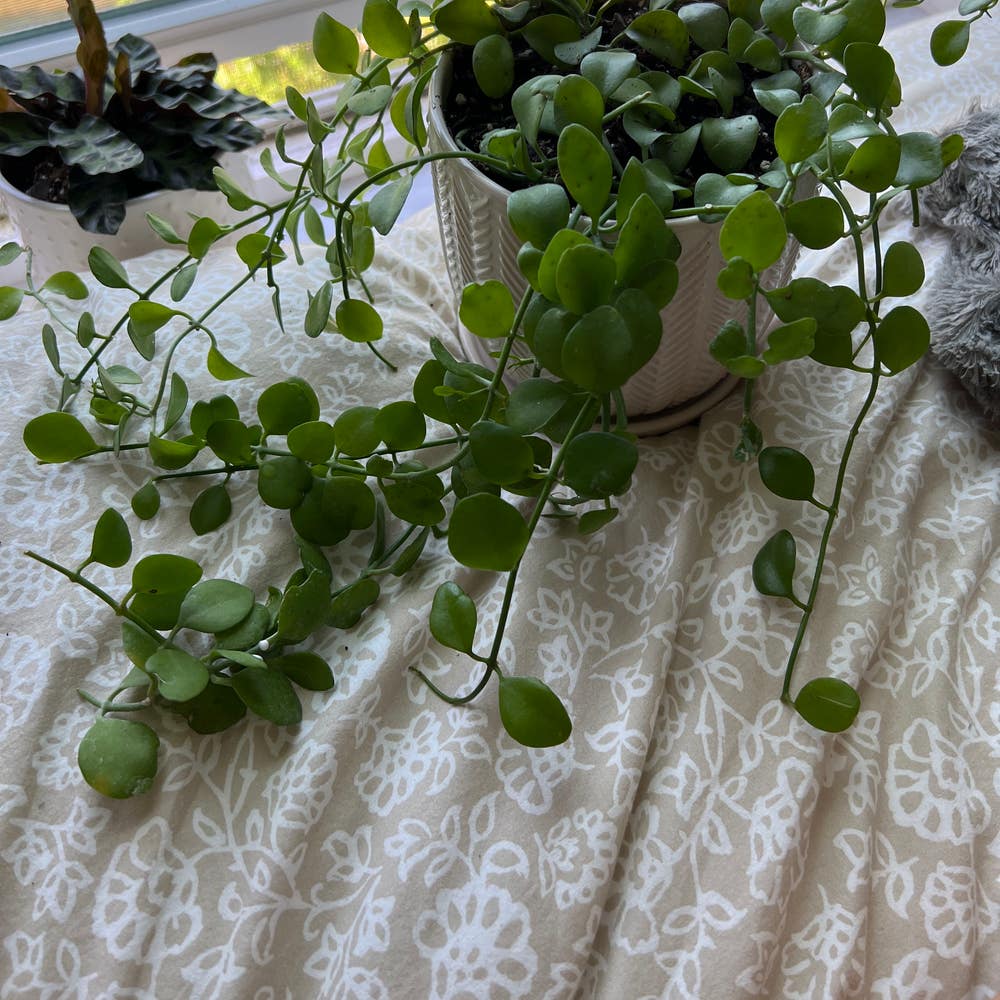
Unlock your String of Nickels' full potential 🌱 by mastering pot selection for vibrant growth at every stage!
- 🌱 Choose pot sizes wisely: 4-10 inches for seedlings to mature plants.
- 🏺 Clay pots enhance airflow, while plastic pots retain moisture for easy care.
- 🔄 Repot regularly to support growth; look for roots or quick-drying soil as indicators.
Pot Sizes for Different Growth Stages
🌱 Small Pots for Seedlings and Young Plants
For seedlings and young plants, a container size of 4-6 inches in diameter is ideal. Smaller pots encourage root development and make it easier to manage moisture levels.
🪴 Medium Pots for Established Plants
Once your plants have outgrown their small pots, it's time to transition to medium pots, typically 6-8 inches in diameter. This size is perfect for established plants, providing adequate space for root expansion without overwhelming them.
🌳 Large Pots for Mature Plants
Mature plants thrive in larger pots, recommended at 8-10 inches in diameter. These pots accommodate extensive root systems and reduce the frequency of watering, making care more manageable.
Understanding the right pot size for each growth stage is crucial for the health of your String of Nickels. Next, let’s explore the ideal pot materials that can enhance your plant's growth.
Ideal Pot Materials
Benefits of Clay Pots 🌱
Clay pots are a gardener's best friend. Their porous nature promotes excellent air circulation, which is crucial for healthy root systems.
Additionally, clay pots help wick moisture away from the soil. This feature significantly reduces the risk of overwatering, a common pitfall for many plant enthusiasts.
Advantages of Plastic Pots ♻️
Plastic pots offer a lightweight alternative that’s easy to move around. This flexibility is especially handy when you want to reposition your plants for optimal sunlight.
Moreover, plastic pots retain moisture longer than their clay counterparts. This can be a lifesaver during dry spells, ensuring your String of Nickels stays hydrated.
Why Terracotta is a Good Choice 🍂
Terracotta pots strike a perfect balance between clay and plastic. They provide good drainage while being heavier, which helps stabilize taller plants.
This material combines the best of both worlds, offering air circulation and moisture retention. It's an excellent choice for those looking to nurture their plants effectively.
In summary, choosing the right pot material is essential for the health of your String of Nickels. Each option has its unique benefits, so consider your plant's needs and your environment when making a selection.
Next, let’s dive into drainage considerations to ensure your plants thrive!
Drainage Considerations
Importance of Drainage Holes 🌊
Drainage holes are crucial for preventing water accumulation at the bottom of your pot. Aim for at least 3-5 drainage holes to ensure optimal drainage and keep your String of Nickels thriving.
How Drainage Affects Root Health 🌱
Good drainage is key to preventing root rot, a common issue for String of Nickels. Healthy roots not only thrive but also promote better nutrient uptake, leading to a more vigorous plant.
Signs of Poor Drainage in Pots 🚫
Watch for yellowing leaves or wilting, even when you’re watering adequately. Other red flags include mold or algae growth on the soil surface and water pooling at the bottom of the pot.
Understanding these drainage considerations can make a significant difference in the health of your plants. Next, let’s explore how to repot your String of Nickels effectively.
Repotting String of Nickels
🕒 When to Repot Your Plant
Repotting is essential for keeping your String of Nickels thriving. Look for signs like roots poking through the drainage holes or soil that either dries out too quickly or stays soggy.
🪴 How to Choose the Right Pot When Repotting
Choosing the right pot is crucial for your plant's health. Aim to increase the pot size by 1-2 inches in diameter and select a material that meets your plant's drainage needs and environmental conditions.
📋 Step-by-Step Guide to Repotting
Repotting may seem daunting, but it’s straightforward. Follow these steps for a successful transition:
- Prepare the new pot with fresh, well-draining soil.
- Gently remove the plant from its current pot, taking care not to damage the roots.
- Inspect roots for signs of rot and trim if necessary.
- Place the plant in the new pot, ensuring it sits at the same depth as before.
- Fill in with soil, pressing lightly to eliminate air pockets.
- Water thoroughly and allow to drain.
By following these steps, you’ll ensure your String of Nickels has the space and conditions it needs to flourish. Now, let’s explore some common mistakes in pot selection to avoid during your planting journey.
Common Mistakes in Pot Selection
Choosing the Wrong Size Pot 🌱
Selecting the right pot size is crucial for your String of Nickels. A pot that’s too large can lead to excess moisture retention, while a pot that’s too small restricts root growth, both of which can harm your plant.
Ignoring Drainage Needs 🚿
Drainage is often overlooked but is vital for healthy plants. Pots without adequate drainage holes can lead to water accumulation, increasing the risk of root rot and other issues.
Selecting Inappropriate Materials 🧱
The material of your pot can significantly impact plant health. Non-breathable materials can suffocate roots, so it’s essential to choose a pot that matches your plant's needs and environmental conditions.
Understanding these common mistakes will help you make informed decisions, ensuring your String of Nickels thrives in its new home. Next, let’s explore the best practices for repotting your plant to keep it healthy and vibrant.
⚠️ Safety First
This content is for general information and may contain errors, omissions, or outdated details. It is not medical, veterinary advice, or an endorsement of therapeutic claims.
Always consult a qualified healthcare professional before using any plant as food, medicine, or supplement.
Never eat any plant (or feed one to pets) without confirming its identity with at least two trusted sources.
If you suspect poisoning, call Poison Control (800) 222-1222, the Pet Poison Helpline (800) 213-6680, or your local emergency service immediately.
Spotted an error? Please report it here.
Select the perfect pot 🪴 for your String of Nickels with Greg's tailored tips and reminders, ensuring your plants flourish in their ideal environment!