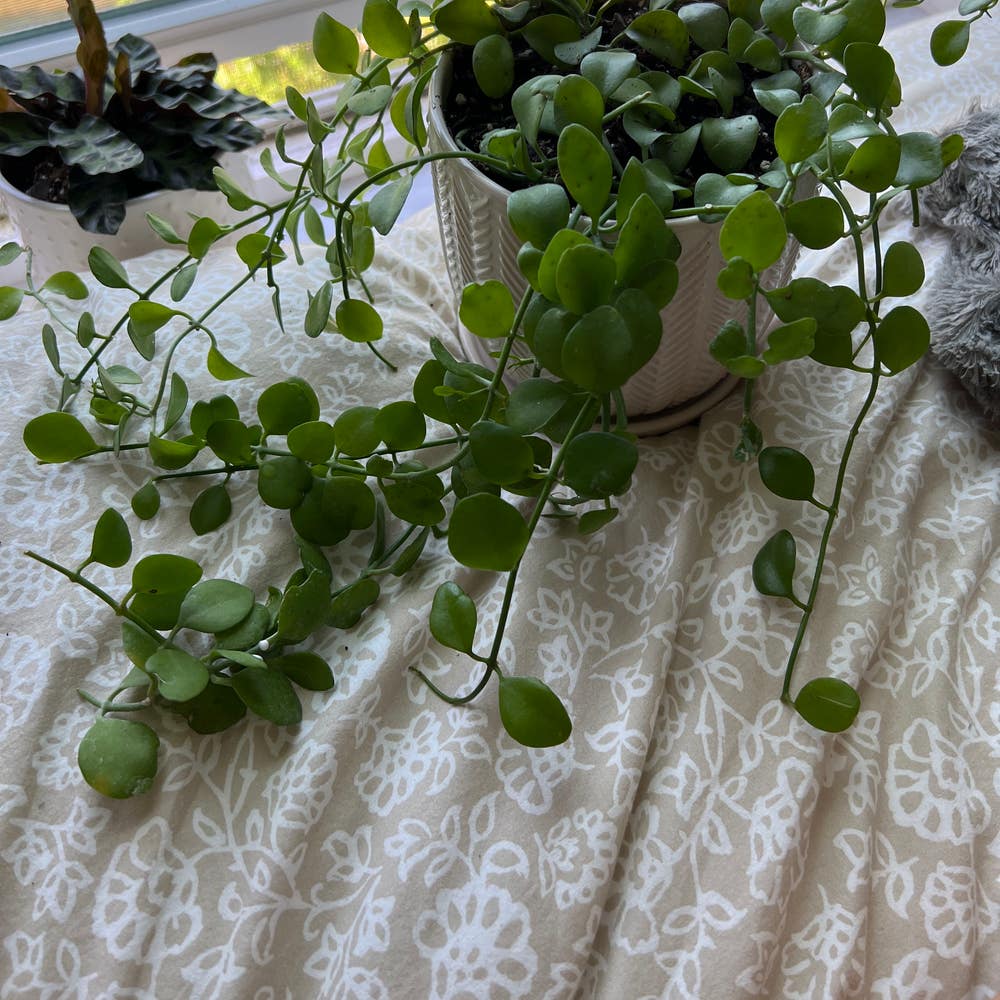
3 Tips for How to Plant Your String of Nickels 💰
Dischidia nummularia
By the Greg Editorial Team
Oct 02, 2024•5 min read
This article was created with the help of AI so we can cover more plants for you. May contain errors. See one? Report it here.
Transform your garden 🌱 by choosing the best method for planting or transplanting String of Nickels for thriving growth!
- 🌱 Plant new String of Nickels in spring for optimal growth and establishment.
- 🏺 Choose terracotta pots for breathability and drainage to prevent root rot.
- 💧 Water wisely; allow soil to dry out between waterings to avoid common issues.
Planting New vs. Transplanting Established Plants
Key Considerations 🌱
When deciding between planting new String of Nickels or transplanting established ones, cost is a major factor. Planting new is generally cheaper upfront, while transplanting may incur costs for soil amendments.
Time to maturity also plays a crucial role. New plants take longer to establish, whereas established plants adapt more quickly to their new environment.
Adaptability is another consideration. New plants often require a period of acclimatization, while established plants are usually better suited to local conditions, making them a safer bet for immediate success.
Understanding these key factors can help you make an informed decision that suits your gardening goals. Whether you choose to start fresh or relocate an existing plant, each option has its unique advantages.
Planting New String of Nickels
🌱 Optimal Timing for Planting
Spring or early summer is the best time to plant your String of Nickels. During these seasons, temperatures are mild, allowing the plant to establish itself without the stress of extreme heat or frost.
🪴 Selecting Soil Mix and Containers
For optimal growth, use a well-draining succulent mix or a blend of potting soil and perlite. Terracotta pots are ideal due to their breathability, but make sure they have drainage holes to prevent waterlogging.
📏 Proper Depth and Spacing
When planting, ensure the roots are covered by 1-2 inches of soil, but avoid burying the leaves. Space your plants 6-12 inches apart to promote airflow and healthy growth.
☀️ Maintaining Ideal Growing Conditions
String of Nickels thrives in bright, indirect light. Direct sunlight can cause leaf burn, so keep them in a well-lit area that avoids harsh rays.
Temperature is another key factor; aim for a range between 20°C to 30°C (68°F to 86°F). Additionally, allow the soil to dry out completely between waterings to prevent overwatering.
🌳 Hardening Off Process
Before moving your plant outdoors, gradually expose it to the new conditions over 7-10 days. Start in a shaded area and slowly increase its sunlight exposure to help it acclimate.
By following these steps, you’ll set your String of Nickels up for success. Next, let’s explore how to transplant established plants for optimal growth.
Transplanting Established String of Nickels
🌱 Optimal Timing for Transplanting
Transplanting your String of Nickels is best done in early spring or fall. During these seasons, the plant is not actively growing, making it easier for it to adjust to its new environment.
Consider local climate conditions as well. Avoid transplanting during extreme weather, whether it's scorching heat or frost, to ensure a smooth transition.
🛠️ Step-by-Step Instructions for Transplanting
Removing the Plant
- Water the plant a day before transplanting. This helps ease the removal process.
- Loosen the soil around the roots gently with a trowel. This minimizes root disturbance.
- Lift the plant carefully, ensuring you keep as many roots intact as possible.
Preparing the New Site
- Choose a location with bright, indirect light. This is crucial for the plant's health.
- Amend the soil with a well-draining succulent mix. This promotes healthy root growth.
- Dig a hole that is twice the width of the root ball. This gives the roots plenty of room to spread.
Ensuring Proper Placement and Spacing
- Position the plant at the same depth it was previously growing. This helps maintain its health.
- Space plants 6-12 inches apart. This allows for optimal trailing growth and airflow.
💧 Tips on Watering, Mulching, and Support
After transplanting, lightly water the plant. Be cautious not to overwater, as this can lead to root rot.
Consider mulching with a thin layer of gravel or decorative stones. This helps retain moisture and prevents weeds from taking over.
If your String of Nickels is trailing, think about using a trellis or hanging basket for support. This encourages optimal growth and showcases its beautiful vines.
Transplanting can be a rewarding experience, setting the stage for your plant's thriving future. Next, let’s dive into troubleshooting common issues you might encounter during this process.
Troubleshooting Common Issues
🌱 Transplant Shock
Transplant shock can be a real bummer for your String of Nickels. Look out for symptoms like wilting, yellowing leaves, and stunted growth.
To prevent this, ensure you're watering properly and avoid disturbing the roots during the transplant process. A little care goes a long way!
🏗️ Establishment Problems
If you notice leaf drop or slow growth after planting, your plant might be struggling to establish itself.
Monitor your watering habits, provide adequate light, and keep an eye out for pests that could be causing issues.
⚠️ Common Planting/Transplanting Issues
Overwatering is a common pitfall. Always allow the soil to dry out between waterings and use well-draining soil to keep your plant happy.
If you encounter root rot, remove any affected roots and repot in fresh soil to give your plant a fighting chance.
Lastly, if you see signs of leaf burn, adjust the light exposure to prevent direct sunlight from scorching those delicate leaves.
By staying vigilant and addressing these issues promptly, you can ensure your String of Nickels thrives beautifully. Next, let’s explore how to maintain those ideal growing conditions for your plant!
⚠️ Safety First
This content is for general information and may contain errors, omissions, or outdated details. It is not medical, veterinary advice, or an endorsement of therapeutic claims.
Always consult a qualified healthcare professional before using any plant as food, medicine, or supplement.
Never eat any plant (or feed one to pets) without confirming its identity with at least two trusted sources.
If you suspect poisoning, call Poison Control (800) 222-1222, the Pet Poison Helpline (800) 213-6680, or your local emergency service immediately.
Spotted an error? Please report it here.
Plant your String of Nickels with confidence 🌱 by using Greg's tailored reminders to ensure they thrive in their new home!