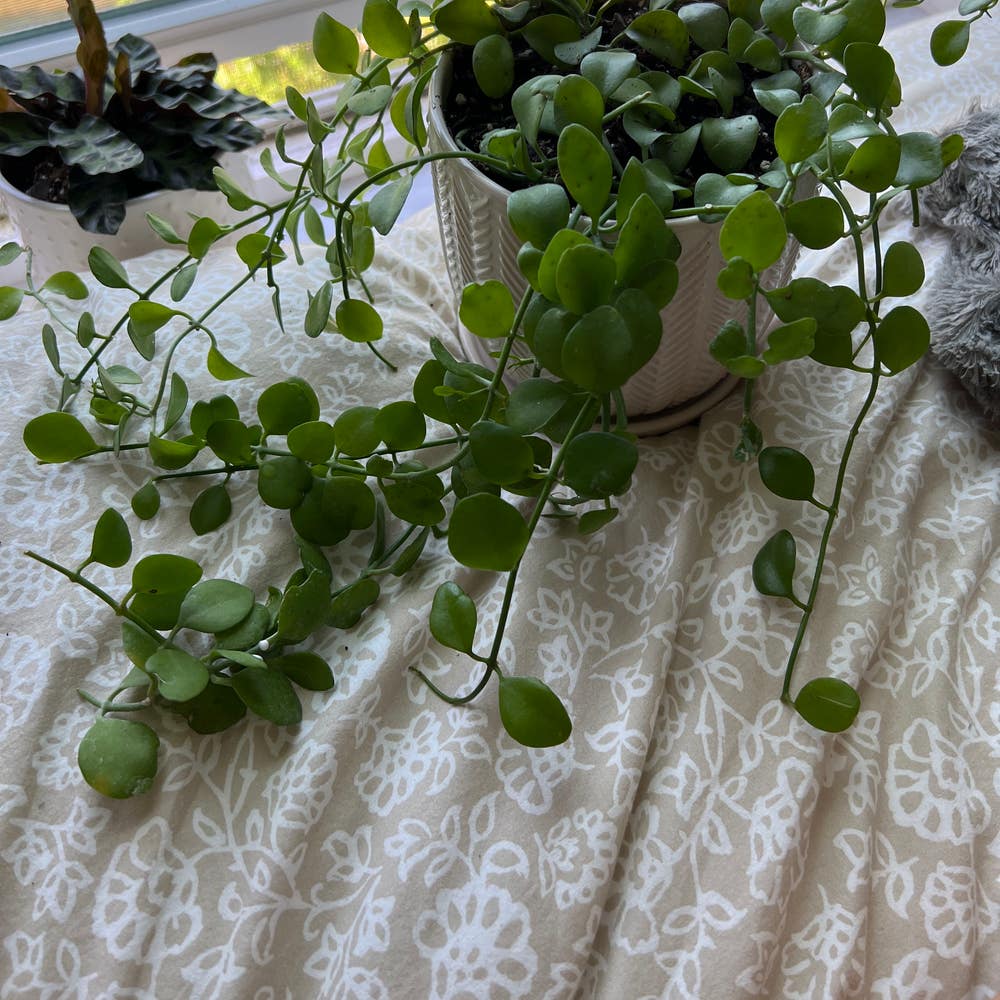
3 Facts About String of Nickels Pollination 🐝
Dischidia nummularia
By the Greg Editorial Team
Oct 02, 2024•6 min read
This article was created with the help of AI so we can cover more plants for you. May contain errors. See one? Report it here.
Uncover the secrets of String of Nickels' survival through clever pollination and its essential pollinator partners! 🌱🐝
- 🌼 String of Nickels flowers attract bees, butterflies, and hummingbirds for effective pollination.
- 🌱 Self-pollination occurs, but cross-pollination boosts genetic diversity and resilience.
- 🐝 Hand pollination enhances seed production, allowing gardeners to engage with their plants.
Flower Structure
Description of Characteristics 🌼
String of Nickels features small, tubular flowers that are both charming and functional. Their color ranges from greenish-white to pale pink, creating a subtle yet appealing aesthetic.
The flowers are clustered together, which enhances their visibility to pollinators. This arrangement not only attracts attention but also increases the chances of successful pollination.
Role in Pollination 🐝
The structure of these flowers facilitates self-pollination, allowing them to reproduce even in the absence of pollinators. This adaptability is crucial for their survival in various environments.
However, the clustered arrangement also invites cross-pollination. Specific pollinator species are drawn to the unique characteristics of these flowers, enhancing genetic diversity and overall plant health.
With their strategic design, String of Nickels effectively balances self-sufficiency and the benefits of attracting pollinators. This dual approach ensures robust reproduction and thriving populations.
As we explore the pollination process further, we’ll uncover how these flowers interact with their pollinators and the vital roles they play in the ecosystem.
Pollination Process
🌼 Self-Pollination or Cross-Pollination
The String of Nickels plant primarily relies on cross-pollination, although it has the capability for self-pollination. This dual approach enhances genetic diversity, which is crucial for the plant's resilience and adaptability.
Cross-pollination allows for a wider gene pool, leading to stronger offspring. This is particularly beneficial in changing environments where adaptability is key.
🐝 Primary Pollinators
Bees
Bees are the primary poString of NickelsString of Nickels. Their fuzzy bodies collect pollen as they navigate the small, tubular flowers, ensuring effective pollination.
These industrious insects are attracted to the plant's nectar, making them essential for its reproductive success. Their role cannot be overstated, as they significantly increase fruit and seed production.
🦋 Butterflies
Butterflies are also drawn togenetic diversityckels due to its appealing flower structure and nectar. Their delicate movements help transfer pollen from one flower to another, contributing to cross-pollination.
The vibrant colors and sweet scent of the flowers create an inviting atmosphere for these graceful pollinators. Thealthresence enhances the overall pollination process.
🌙 Moths and Hummingbirds
Moths and hummingbirds play a vital role in the pollination of the String of Nickels, particularly during dusk and dawn. Moths are attracted to the plant's nocturnal blooms, while hummingbirds are drawn to its nectar-rich flowers.
Both of these pollinators help ensure that the plant successfully reproduces. Their unique feeding habits complement the pollination process, making them valuable allies in the plant's lifecycle.
In summary, the String of Nickels benefits from a diverse array of pollinators, each contributing uniquely to its reproductive success. This diversity not only aids in pollination but also supports the plant's overall health andfertilizationAs we explore the natural mechanisms behind pollination, we’ll uncover how pollen transfer occurs and its significance for the plant's future.
Natural Pollination Mechanisms
🌼 Pollen Transfer
The String of Nickels employs fascinating mechanisms for pollen transfer. Its tubular flowers are designed to facilitate both self-pollination and cross-pollination, ensuring that pollen moves efficiently between flowers.
Pollinators like bees and butterflies play a crucial role in this process. As they visit the flowers for nectar, they inadvertently transfer pollen from one bloom to another, enhancing genetic diversity within the plant population.
🌱 Impact on Plant Health
Successful pollination is vital for the String of Nickels' String of Nickelsleads to fruit and seed production, which are essential for the plant's lifecycle.
Moreover, effective pollination contributes to the overall health of the plant. A robust seed set ensures that the next generation of plants can thrive, promoting resilience and adaptability in varying environments.
Understanding these natural mechanisms not only highlights the beauty of plant reproduction but also sets the stage for exploring hand pollination techniques.
Hand Pollination Techniques
Hand pollination can be a rewarding way to ensure the success of your String of Nickels plants. Here’s a straightforward gCompanion plantingavigate the process.
Step 1: Identifying Male and Female Flower Parts 🌸
First, you need to recognize the male and female structures of the flowers. The male parts, companion plants, produce pollen, while the female parts, called pistils, are where fertilization occurs.
Step 2: Collecting Pollen 🧹
Once you've identified the male flowers, it’s time to gather pollen. Use a small brush or cotton swab to gently collect pollen from the stamens. This technique minimizes damage to the flower while ensuring you have enough pollen for transfer.
Step 3: Transferring Pollen 🎯
Now, apply the collected pollen to the pistils of the female flowers. Gently dab tenvironmental factorsicTemperature fluctuationsthe pistil. This step is crucial for ensuring fertilization and the production of seeds.
Hand pollinatpollinatorsy boosts your plant's reproductive success bhabitat lossenpesticide usetion tclimate changeg process. With these techniques, you can actively participate in the life cycle of your String of Nickels, enhancing both your gardening skills and plant health.
Next, let’s explore how to support pollinators in younative flowersven greater success.
Supporting Pollinators
🌼 Creating a Pollinator-Friendly Environment
Designihealthy ecosystemattracts pollinators is botlocal wildlifed essential. Stachemical useorating a variety of native plants, as they provide the best food sources and habitats for local pollinators.
Diverse flower types are crucial too. Choose plants that bloom at different times throughout the growing season to ensure a continuous food supply for pollinators.
🌻 Companion Plants
Companion planting can significantly enhance pollination success. Consider adding flowers like lavender, echinacea, and sunflowers, which are known to attract bees and butterflies.
These companion plants not only draw in beneficial pollinators but also create a vibrant ecosystem. By fostering a diverse garden, you increase the chances of successful pollination for your String of Nickels and other plants.
Creating a supportive environment for pollinators is a step toward a healthier garden. Next, let’s explore the challenges these vital creatures face and how we can help them thrive.
Pollination Challenges
Common Obstacles 🐝
Pollination can be significantly affected by environmental factors. Temperature fluctuations and humidity levels can disrupt the delicate balance needed for effective pollen transfer.
A lack of pollinators is another pressing issue. Factors such as habitat loss, pesticide use, and climate change can lead to reduced pollinator activity, impacting the success of plants like the String of Nickels.
Solutions 🌼
Improving pollination success starts with creating a conducive environment. Planting a variety of native flowers can attract diverse pollinator species, enhancing the chances of successful pollination.
Maintaining a healthy ecosystem is crucial. By supporting local wildlife and minimizing chemical use, you can foster a thriving habitat for pollinators, ensuring they continue to play their vital role in plant reproduction.
As we navigate these challenges, remember that every small effort counts in supporting our pollinator friends.
⚠️ Safety First
This content is for general information and may contain errors, omissions, or outdated details. It is not medical, veterinary advice, or an endorsement of therapeutic claims.
Always consult a qualified healthcare professional before using any plant as food, medicine, or supplement.
Never eat any plant (or feed one to pets) without confirming its identity with at least two trusted sources.
If you suspect poisoning, call Poison Control (800) 222-1222, the Pet Poison Helpline (800) 213-6680, or your local emergency service immediately.
Spotted an error? Please report it here.
Unlock the secrets of successful pollination 🌱 for your String of Nickels with Greg's personalized tips, ensuring your plants thrive while supporting local pollinators!