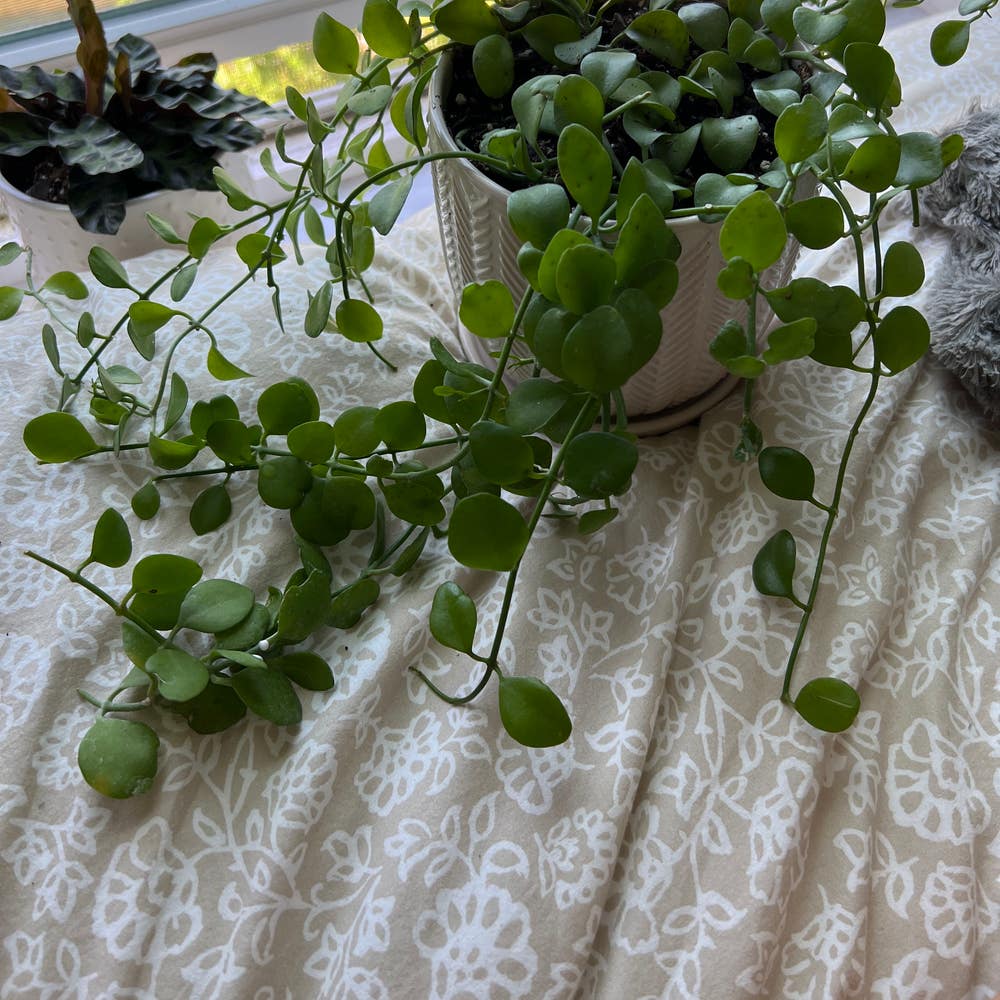
Identifying What is Eating Your String of Nickels 🐞
Dischidia nummularia
By the Greg Editorial Team
Oct 02, 2024•6 min read
This article was created with the help of AI so we can cover more plants for you. May contain errors. See one? Report it here.
Safeguard your String of Nickels from pesky herbivores 🌿 and nurture a vibrant garden ecosystem with these expert tips!
- 🐇 Identify common herbivores like deer and rabbits to protect your String of Nickels.
- 🌱 Use deterrents such as strong-smelling herbs and fencing to safeguard your plants.
- 🌼 Encourage biodiversity to attract beneficial insects and maintain a healthy garden ecosystem.
Common Herbivores Affecting String of Nickels
🦌 Deer
Signs of presence
Look for hoof prints in the soil, which indicate deer activity. You might also notice irregularly chewed leaves and stems, a clear sign they’ve been browsing.
Type of damage
Deer primarily damage young shoots and leaves, often leading to stunted growth. In severe cases, they can completely defoliate the plant, leaving it vulnerable.
Beneficial vs. harmful interaction
Deer interactions are generally harmful, as they can decimate populations of String of Nickels. Their feeding habits can significantly impact your garden's health.
Deterrent methods (difficulty: easy)
To deter deer, consider planting strong-smelling herbs like lavender nearby. Regular application of commercial deer repellents can also help keep them at bay.
🐇 Rabbits
Signs of presence
Rabbits leave small, round droppings near the plant, which can be a telltale sign. Look for clean cuts on stems and leaves, indicating their gnawing habits.
Type of damage
These critters often chew on young leaves and shoots, leading to significant plant damage. Their feeding can stunt growth and weaken the plant.
Beneficial vs. harmful interaction
Rabbits are generally harmful, as they can severely impact plant health. Their appetite for String of Nickels can lead to a decline in vitality.
Deterrent methods (difficulty: moderate)
To keep rabbits away, install fencing that’s at least 2 feet high. You can also use predator urine or apply bitter-tasting sprays on foliage for added protection.
🐿️ Squirrels
Signs of presence
Squirrels often leave behind scratches on the bark of nearby plants. Look for visible nests in trees or shrubs, which can indicate their presence.
Type of damage
These agile animals gnaw on leaves and stems, especially during spring. Their feeding can stress the plant and hinder its growth.
Beneficial vs. harmful interaction
Squirrels are generally harmful, as their activities can lead to plant stress and damage. Their persistent feeding can be quite detrimental.
Deterrent methods (difficulty: moderate)
To deter squirrels, consider using scare tactics like reflective tape. Capsaicin-based sprays can also be effective in keeping them away.
🐦 Birds
Signs of presence
Birds often leave feather droppings beneath the plant. Look for small holes in leaves, which indicate pecking.
Type of damage
Birds can cause aesthetic damage by pecking at leaves and flowers. While this may not harm the plant's health, it can affect its appearance.
Beneficial vs. harmful interaction
Bird interactions are mixed; some birds help control pests, while others can cause damage. It's essential to recognize their dual role in the garden.
Deterrent methods (difficulty: easy)
To deter birds, use bird netting or reflective objects to discourage feeding. Non-toxic sprays that taste unpleasant to birds can also be effective.
🐭 Rodents (mice, voles, etc.)
Signs of presence
Look for small burrows near the base of the plant, indicating rodent activity. Droppings, small and dark, can also be found around the plant.
Type of damage
Rodents gnaw on roots and stems, leading to plant instability. Their feeding can severely compromise the plant's health.
Beneficial vs. harmful interaction
Rodents are generally harmful, as they can cause significant plant damage. Their presence can lead to a decline in overall garden health.
Deterrent methods (difficulty: hard)
To manage rodents, consider using traps and encouraging natural predators like cats. Applying rodent repellents to the soil can also help deter them.
🦡 Groundhogs/Woodchucks
Signs of presence
Groundhogs leave large burrows near the plant base, which can be quite noticeable. Look for evidence of extensive leaf and stem damage from grazing.
Type of damage
These animals heavily feed on leaves and stems, leading to severe plant loss. Their appetite can devastate small gardens.
Beneficial vs. harmful interaction
Groundhogs are generally harmful, as they can wreak havoc on your garden. Their feeding habits can lead to significant losses.
Deterrent methods (difficulty: hard)
To deter groundhogs, install fencing that’s at least 3 feet high. Motion-activated sprinklers can also be effective, along with commercial repellents specifically designed for them.
Understanding these common herbivores is crucial for protecting your String of Nickels. By recognizing their signs and implementing effective deterrent methods, you can maintain a thriving garden. Next, let’s explore the beneficial animals that can enhance your garden ecosystem.
Beneficial Animals and Their Role
🐝 Pollinators: The Garden's Best Friends
Bees and butterflies are drawn to the vibrant yellow flowers of the String of Nickels. Their role as pollinators is crucial, as they facilitate the reproduction of plants, leading to a thriving garden.
🦅 Natural Pest Controllers
Certain birds and insects also play a vital role in maintaining balance. They feed on harmful pests, helping to keep your String of Nickels healthy and vibrant.
🌱 Enhancing Biodiversity
The presence of these beneficial animals enhances biodiversity in your garden. A diverse ecosystem is more resilient and can better withstand pests and diseases.
🌼 Promoting Healthy Plant Growth
Pollinators not only aid in reproduction but also promote healthy plant growth. Their activities ensure that your String of Nickels can flourish, contributing to a lush and vibrant garden.
Incorporating these beneficial animals into your gardening strategy can lead to a healthier ecosystem. Next, let’s explore general strategies for protecting your String of Nickels from potential threats.
General Strategies for Protection
🛡️ Preventive Measures
To keep your String of Nickels safe, regular monitoring is key. Look for signs of herbivore activity, such as tracks or chewed leaves.
Planting companion plants can also be a game-changer. Strong-smelling herbs like lavender can deter unwanted visitors while enhancing your garden's aesthetic.
⚠️ Reactive Solutions
If you notice damage, act quickly. Remove affected parts to encourage new growth and keep your plant healthy.
For persistent pests, barriers and traps can be effective. Consider using fencing or traps to keep herbivores at bay.
🌱 Seasonal Variations
Be aware that herbivore activity tends to spike in spring and early summer. This is when your String of Nickels may need extra protection.
Adapting your care routine seasonally can help mitigate damage. Regular checks and timely interventions will keep your plants thriving throughout the year.
By implementing these strategies, you can create a thriving environment for your String of Nickels while minimizing the impact of herbivores. Next, let’s explore the toxicity and ecological considerations surrounding these fascinating plants.
Toxicity and Ecological Considerations
Toxic Effects of String of Nickels on Animals 🐾
String of Nickels plants can have mild toxic effects on certain animals. This toxicity often results in gastrointestinal upset, which can serve as a natural deterrent for some herbivores.
Importance of Maintaining a Balanced Garden Ecosystem 🌱
While herbivores can pose challenges, they also play a crucial role in nutrient cycling. Acknowledging this balance is essential for fostering a healthy garden environment.
Strategies for Fostering a Healthy Environment 🌼
To protect your plants while maintaining ecological balance, consider these strategies:
- Encourage Biodiversity: Plant a variety of species to attract beneficial insects and pollinators.
- Monitor Herbivore Activity: Regularly check for signs of herbivore presence to address issues early.
- Use Companion Planting: Introduce plants that deter harmful herbivores while attracting beneficial ones.
By implementing these practices, you can create a thriving ecosystem that supports both your String of Nickels and the wildlife around it. This approach not only protects your plants but also enhances the overall health of your garden.
As you navigate the challenges of herbivores, remember that a balanced ecosystem can lead to a flourishing garden. Next, we’ll explore general strategies for protecting your String of Nickels from various threats.
⚠️ Safety First
This content is for general information and may contain errors, omissions, or outdated details. It is not medical, veterinary advice, or an endorsement of therapeutic claims.
Always consult a qualified healthcare professional before using any plant as food, medicine, or supplement.
Never eat any plant (or feed one to pets) without confirming its identity with at least two trusted sources.
If you suspect poisoning, call Poison Control (800) 222-1222, the Pet Poison Helpline (800) 213-6680, or your local emergency service immediately.
Spotted an error? Please report it here.
Safeguard your String of Nickels from herbivores with Greg's tailored care tips 🌿, ensuring your plant thrives while keeping those pesky munchers away!