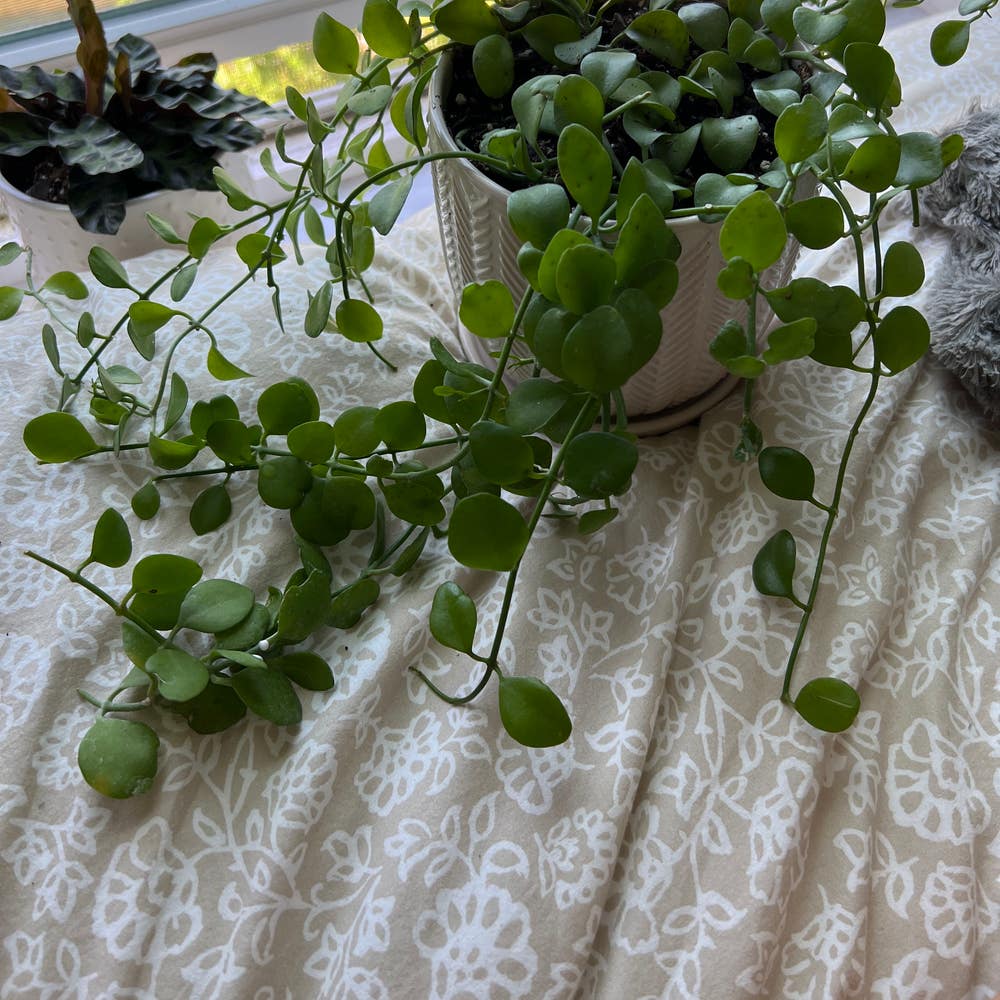
4 Secrets to Successfully Grow String of Nickels 💰
Dischidia nummularia
By the Greg Editorial Team
Oct 02, 2024•7 min read
This article was created with the help of AI so we can cover more plants for you. May contain errors. See one? Report it here.
Cultivate a thriving String of Nickels with expert care tips for stunning growth! 🌱✨
- 🌞 String of Nickels thrives in bright, indirect light; avoid direct sunlight.
- 🌡️ Maintain temperatures between 18°C to 24°C for optimal growth.
- 💧 Water every 1-2 weeks; yellow leaves indicate overwatering.
Choosing a Location
Indoor vs. Outdoor Growing 🌱
When deciding where to grow your String of Nickels, consider the benefits of indoor cultivation. Indoors, you can create a controlled environment that protects your plants from pests and harsh weather.
On the other hand, outdoor cultivation offers natural light and humidity, which can lead to larger growth. If you have a suitable outdoor space, it might be the perfect option for your plants.
Light Requirements and Placement 💡
String of Nickels thrives in bright, indirect light. Direct sunlight can scorch its leaves, so be sure to position it where it can soak up filtered light.
For indoor placement, a spot near a window with sheer curtains works well. Outdoors, look for shaded areas that still receive ample light throughout the day.
Temperature and Humidity Considerations 🌡️
The ideal temperature range for your String of Nickels is between 18°C to 24°C (65°F to 75°F). Keeping your plant within this range will promote healthy growth.
Humidity is also important; these plants prefer moderate to high humidity levels. To maintain humidity indoors, consider using a humidity tray or misting your plants occasionally.
With the right location and conditions, your String of Nickels will flourish beautifully. Next, let’s dive into soil preparation to ensure your plants have the best foundation for growth.
Soil Preparation
Ideal Soil Mix 🌱
For your String of Nickels, a well-draining potting mix is essential. Consider adding perlite or sand to enhance drainage and aeration, promoting healthy root growth.
Soil texture plays a crucial role in root health. A mix that retains some moisture while allowing excess water to escape will keep your plant thriving.
Drainage Requirements 🚰
Always choose containers with drainage holes. This prevents water from pooling at the bottom, which can lead to root rot.
If you notice yellowing leaves or a mushy stem, these are signs of poor drainage. To rectify this, ensure your pot has adequate holes and consider repotting with a better soil mix.
pH Level Considerations ⚗️
The optimal pH range for String of Nickels is between 6.0 and 7.0. Testing your soil's pH is straightforward; you can use a simple kit available at garden centers.
If your soil's pH is outside this range, you can adjust it using amendments. For instance, adding lime can raise pH, while sulfur can lower it, ensuring your plant gets the nutrients it needs.
With the right soil preparation, your String of Nickels will be set for success. Next, let’s dive into effective planting techniques to help your plant flourish.
Planting Techniques ((difficulty:easy))
🌱 Step-by-Step Planting Guide
Planting your String of Nickels is straightforward and rewarding. Start by choosing a suitable container with drainage holes to prevent waterlogging.
Next, fill the container with your prepared soil mix, ensuring you leave enough space for the roots to spread. Position the plant at the correct depth, then water lightly to settle the soil around the roots.
🪴 Container Selection and Size
Choosing the right container size is crucial for healthy growth. For young plants, a small pot works well, while larger containers are ideal for mature plants.
Hanging baskets can add a unique touch to your space, allowing the vines to cascade beautifully, while traditional pots offer stability and ease of care.
🎨 Spacing and Arrangement Tips
When planting multiple String of Nickels in one container, aim for about 4-6 inches of space between each plant. This spacing allows for proper air circulation and growth.
Get creative with your arrangements! Mixing heights and textures can create a visually appealing display that showcases the unique beauty of your plants.
With these planting techniques, you're well on your way to cultivating a thriving String of Nickels. Next, let’s explore how to keep your plants healthy through proper watering and fertilizing.
Watering and Fertilizing
Watering Frequency and Techniques 🌊
To keep your String of Nickels thriving, aim for a watering schedule of every 1-2 weeks. When you do water, make sure to soak the soil thoroughly until it drains out of the bottom; this ensures the roots get the moisture they need.
Signs of Overwatering and Underwatering 🚨
Watch for signs of overwatering, like yellowing leaves or mushy stems. Conversely, if you notice shriveled leaves or dry soil, it’s a clear indication that your plant is underwatered.
Fertilization Schedule and Types of Fertilizers 🌱
During the growing season, fertilize your String of Nickels every 4-6 weeks. A balanced liquid fertilizer diluted to half strength works wonders, providing essential nutrients without overwhelming your plant.
With these watering and fertilizing tips, your String of Nickels will flourish. Next, let’s dive into pruning and ongoing care to keep your plant in top shape!
Pruning and Ongoing Care
Pruning Techniques for Healthy Growth ✂️
Pruning your String of Nickels is essential for maintaining its shape and encouraging healthy growth. Aim to prune during the growing season, removing leggy stems and any dead or yellowing leaves to promote a fuller appearance.
For effective pruning, use sharp, clean scissors or pruning shears. This minimizes damage and helps prevent disease.
Seasonal Care Adjustments 🌦️
As the seasons change, so should your care routine. In winter, reduce watering frequency and ensure your plant is getting enough light, as days are shorter.
Keep an eye on temperature shifts, especially if your plant is indoors. Adjusting your care based on these changes can make a significant difference in your plant's health.
Common Pests and Diseases and How to Manage Them 🐛
Be vigilant about pests like mealybugs and aphids, which can quickly infest your String of Nickels. Regularly inspect your plant for signs of these pests, such as sticky residue or visible insects.
For organic control, consider using neem oil or insecticidal soap. These methods are effective and help maintain a healthy growing environment without harsh chemicals.
By staying proactive with pruning, seasonal adjustments, and pest management, you can ensure your String of Nickels thrives beautifully. Next, let’s explore common challenges and solutions to keep your plant in top shape.
Common Challenges and Solutions
🐛 Issues with Growth and How to Troubleshoot
String of Nickels can face a few common growth issues, such as leggy growth and leaf drop. Leggy growth often indicates insufficient light, while leaf drop can be a sign of stress from overwatering or sudden temperature changes.
To combat leggy growth, consider relocating your plant to a brighter spot. For leaf drop, assess your watering habits and ensure your plant isn’t sitting in soggy soil.
🌡️ Environmental Factors Affecting Growth
Light, temperature, and humidity play crucial roles in the health of your String of Nickels. Insufficient light can lead to weak, stretched stems, while extreme temperatures can cause stress and hinder growth.
To create an ideal environment, aim for bright, indirect light and maintain a temperature range of 18°C to 24°C (65°F to 75°F). Additionally, ensure moderate to high humidity levels to keep your plant thriving.
🌱 Tips for Maintaining Plant Health
Regular inspections for pests and diseases are essential for maintaining plant health. Look out for common pests like mealybugs and aphids, which can quickly become a nuisance.
Establishing a consistent plant care routine is vital for longevity. Regular watering, appropriate fertilization, and timely pruning will keep your String of Nickels looking its best and growing strong.
With these tips, you can tackle challenges head-on and enjoy a flourishing String of Nickels. Next, let’s explore the essential pruning techniques to ensure your plant maintains its shape and health.
⚠️ Safety First
This content is for general information and may contain errors, omissions, or outdated details. It is not medical, veterinary advice, or an endorsement of therapeutic claims.
Always consult a qualified healthcare professional before using any plant as food, medicine, or supplement.
Never eat any plant (or feed one to pets) without confirming its identity with at least two trusted sources.
If you suspect poisoning, call Poison Control (800) 222-1222, the Pet Poison Helpline (800) 213-6680, or your local emergency service immediately.
Spotted an error? Please report it here.
Unlock the secrets to a thriving String of Nickels 🌿 with Greg's tailored care reminders and expert tips that ensure your plant flourishes in the perfect environment!