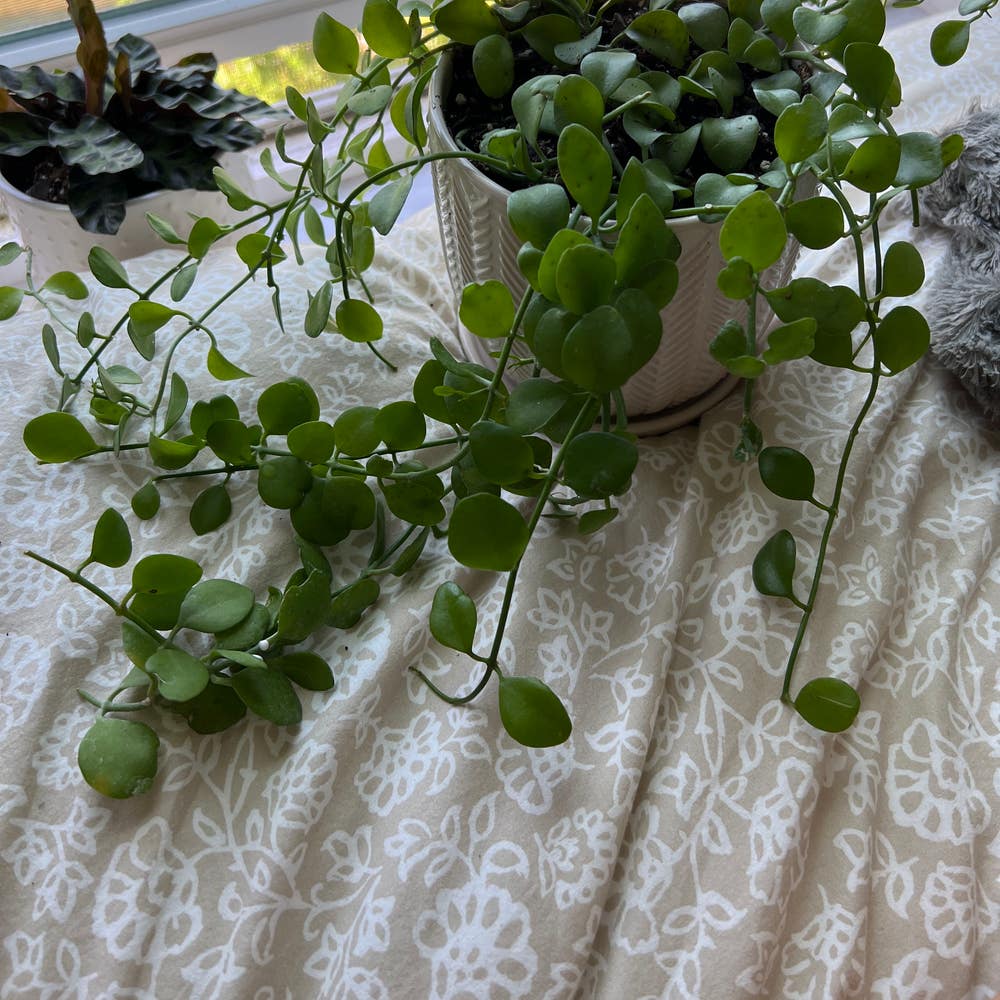
❄️ 9 Winter Care Mistakes to Avoid with String of Nickels
Dischidia nummularia
By the Greg Editorial Team
Oct 02, 2024•4 min read
This article was created with the help of AI so we can cover more plants for you. May contain errors. See one? Report it here.
Keep your String of Nickels thriving this winter with essential care tips for watering and frost protection! ❄️🌱
- 💧 Water only when the top inch is dry to prevent root rot in winter.
- ❄️ Avoid fertilizing during dormancy; wait until spring for new growth support.
- 🌬️ Protect from frost by covering with cloth and keeping away from cold drafts.
Winter Care Requirements
Adjusting Watering Schedules During Winter 🌊
Reducing watering frequency is crucial during winter. Overwatering can lead to root rot, especially when evaporation slows down.
To ensure your String of Nickels thrives, water only when the top inch of soil is dry. A moisture meter can help you gauge when it's time to hydrate.
Fertilizing Needs in Winter Months ❄️
During winter dormancy, it's best to avoid fertilizing your plants. Adding nutrients can stimulate growth when your String of Nickels isn't actively growing.
Plan to resume fertilizing in early spring as new growth begins. This approach conserves energy and keeps your plant healthy.
Importance of Humidity Levels Indoors 💧
Maintaining indoor humidity levels between 40-60% is essential to prevent leaf drop. Low humidity can stress your plant during the colder months.
You can boost humidity by using a humidifier or placing a tray of water near your plant. Grouping plants together can also create a beneficial microclimate.
By following these winter care requirements, you'll set your String of Nickels up for success. Next, let's explore how to protect your plants from frost damage.
Protection from Frost
🌬️ Identifying Frost-Sensitive Conditions
Frost sensitivity can manifest in several ways. Look for signs like wilting leaves or discoloration when temperatures drop, especially during sudden nighttime chills.
🛡️ Best Practices for Outdoor Protection
To safeguard your String of Nickels, cover them with frost cloth or burlap during cold snaps. If possible, move potted plants indoors or to a sheltered area to shield them from harsh weather.
❄️ Indoor Placement to Avoid Cold Drafts
When bringing your plants indoors, choose locations wisely. Keep them away from windows and doors that might let in cold air, but place them near a heat source—just not directly on it to prevent overheating.
By taking these precautions, you can help ensure your String of Nickels thrive through the winter months. Next, let's explore how to identify signs of winter damage and assess your plant's health.
Signs of Winter Damage
❄️ Identifying Symptoms of Frost Damage
Winter can be tough on your String of Nickels. Look for common signs of frost damage, such as brown or blackened leaf tips, which indicate stress from cold temperatures.
Soft, mushy stems are another red flag. This often points to rot, a serious issue that can arise from prolonged exposure to frost.
🌱 How to Assess Plant Health Post-Winter
After winter, it's crucial to assess your plant's health. Start by checking the firmness of leaves and stems; healthy plants should feel robust and resilient.
Next, look for signs of new growth. If you spot fresh leaves or stems, your String of Nickels is on the road to recovery. This is a positive indicator that your plant is bouncing back from winter's challenges.
As you prepare for spring, keep an eye on your plant's overall condition. This proactive approach will help ensure a thriving growing season ahead.
Spring Preparation and Recovery
Transitioning Care as Winter Ends 🌱
As winter fades, it's crucial to gradually increase your watering schedule. Start by checking the soil; when the top inch feels dry, it’s time to give your String of Nickels a drink.
Introduce fertilizer slowly as growth resumes. This will help replenish nutrients that may have been depleted during the dormant months.
Steps for Reviving a Damaged Plant ✂️
If your plant shows signs of winter damage, don’t panic. Begin by pruning any damaged leaves and stems to encourage fresh growth.
Adjusting light exposure is also key. Place your plant in a spot where it can soak up bright, indirect sunlight to support its recovery.
Preparing for New Growth in Spring 🌼
Monitoring humidity and light levels is essential as your plant wakes up. Aim for a humidity range of 40-60% to keep your String of Nickels thriving.
Finally, set up a regular care schedule for the growing season. This will ensure your plant receives consistent attention and care, setting the stage for a vibrant spring.
As you transition into spring, keep an eye on your plant's needs. This proactive approach will help you nurture a healthy, flourishing String of Nickels.
⚠️ Safety First
This content is for general information and may contain errors, omissions, or outdated details. It is not medical, veterinary advice, or an endorsement of therapeutic claims.
Always consult a qualified healthcare professional before using any plant as food, medicine, or supplement.
Never eat any plant (or feed one to pets) without confirming its identity with at least two trusted sources.
If you suspect poisoning, call Poison Control (800) 222-1222, the Pet Poison Helpline (800) 213-6680, or your local emergency service immediately.
Spotted an error? Please report it here.
Keep your String of Nickels thriving this winter ❄️ by using Greg's tailored watering reminders to prevent root rot and ensure a vibrant spring recovery!