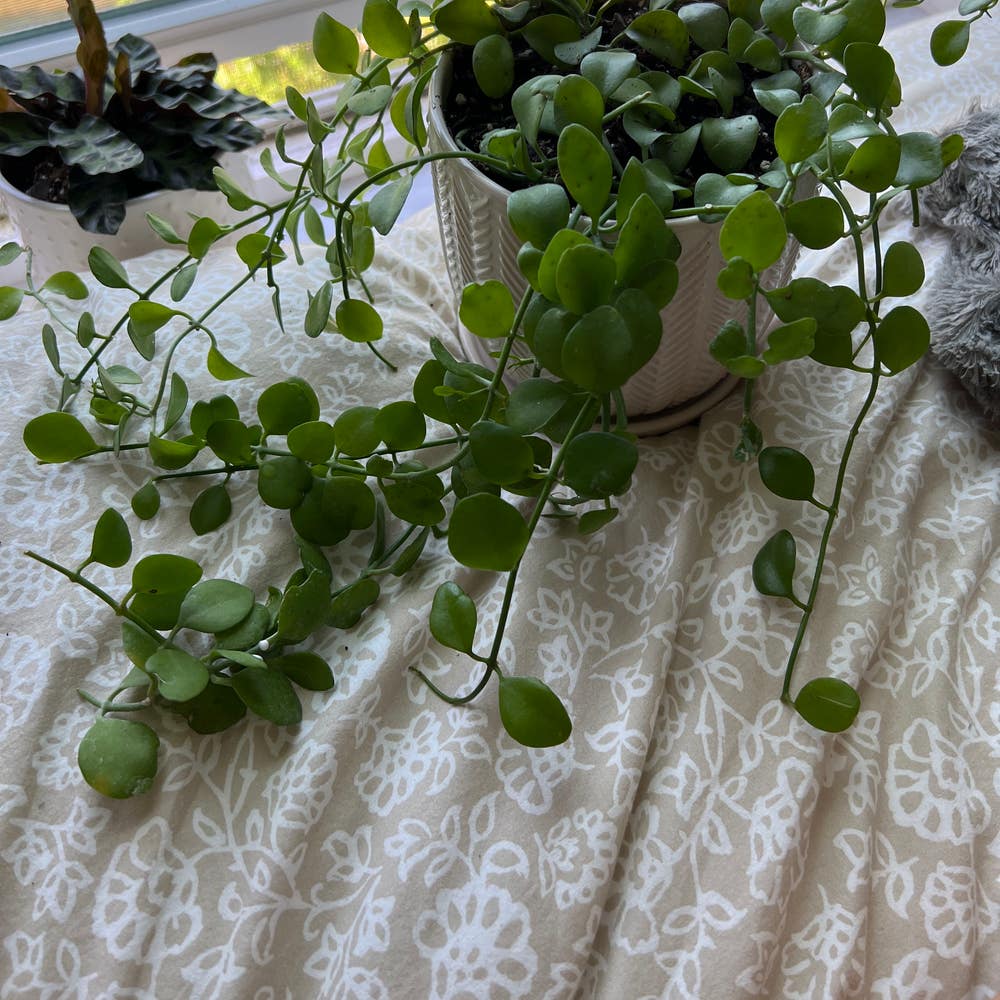
How to Grow String of Nickels Outdoors 🪙
Dischidia nummularia
By the Greg Editorial Team
Oct 02, 2024•6 min read
This article was created with the help of AI so we can cover more plants for you. May contain errors. See one? Report it here.
Unlock the secrets to a thriving String of Nickels outdoors with these essential care tips! 🌱✨
- 🌞 String of Nickels needs 4-6 hours of bright, indirect sunlight daily for optimal growth.
- 💧 Prevent yellowing leaves by allowing soil to dry completely between waterings.
- 🌱 Use well-draining soil to avoid root rot and ensure healthy plants.
Outdoor Care Requirements
🌞 Sunlight Needs
For your String of Nickels, bright, indirect sunlight is essential. Aim for about 4-6 hours of this light daily to keep your plant thriving.
If you notice stretching stems or pale leaves, it’s a sign your plant isn’t getting enough light. To remedy this, gradually acclimate your plant to outdoor conditions to avoid shock.
💧 Watering Requirements
Watering is crucial, but timing is everything. Allow the soil to dry out completely between waterings to prevent root rot.
Watch for yellowing leaves or mushy stems; these are clear signs of overwatering. Using well-draining pots or soil can significantly help in maintaining the right moisture levels.
🌱 Soil Preferences
The right soil can make all the difference. A well-draining potting mix, cactus mix, or sandy loam is ideal for your String of Nickels.
Aim for a soil pH between 6.0 and 7.0, which is slightly acidic to neutral. Good drainage is vital to prevent water retention and root rot, ensuring your plant stays healthy.
🌿 Fertilization Guidelines
Fertilizing your String of Nickels is important for robust growth. During the growing season, fertilize every 4-6 weeks with a balanced, diluted liquid fertilizer, such as NPK 10-10-10.
Keep an eye out for signs of nutrient deficiency, like stunted growth or pale leaves. Adjust your fertilization schedule accordingly to keep your plant vibrant and thriving.
With these outdoor care requirements in mind, you’re well on your way to nurturing a healthy String of Nickels. Next, let’s explore the various planting options available for this unique plant.
Planting Options
🌱 Container vs. Ground Planting
When deciding between container and ground planting for your String of Nickels, consider the unique benefits and drawbacks of each method.
Container Planting
Container planting offers remarkable mobility. You can easily move your plants to optimize sunlight exposure or protect them from harsh weather.
You also have control over soil quality and drainage. This is crucial for preventing root rot, which can be a common issue.
However, container planting has its downsides. Limited root space means you may need to water more frequently to keep your plants healthy.
Additionally, containers can overheat in direct sunlight, which may stress your plants.
Ground Planting
On the other hand, ground planting provides a natural growth environment. Your String of Nickels will have more space to expand their roots, promoting healthier growth.
Ground soil typically retains moisture better, leading to less frequent watering. This can be a significant advantage during hot summer months.
Yet, ground planting isn't without risks. You have less control over soil conditions, which can lead to poor drainage.
Moreover, plants in the ground are often more vulnerable to pests and diseases. Regular inspections are essential to catch any issues early.
In summary, both planting options have their merits and challenges. Choose the one that aligns best with your gardening style and environmental conditions.
Next, let’s explore how to protect your String of Nickels from environmental factors.
Protection from Environmental Factors
🌦️ Weather Protection Strategies
Shielding your String of Nickels from extreme temperatures is crucial for its health. Use shade cloth or mulch to protect it from harsh sunlight and heat.
In winter, consider covering the plant with frost cloth or bringing it indoors if you live in colder climates. Proper drainage is essential to avoid waterlogging, which can lead to root issues.
🐞 Managing Outdoor Pests
Outdoor pests can be a real headache for your plants. Common culprits include mealybugs, aphids, and spider mites.
Look out for signs of infestation, such as sticky residue, webbing, or discolored leaves. Control methods like neem oil, insecticidal soap, and regular inspections can help keep these pests at bay.
🦠 Common Diseases and Their Prevention
Root rot is a significant concern for String of Nickels, with symptoms like wilting and yellowing leaves. To prevent this, ensure you use well-draining soil and avoid overwatering.
Fungal infections can also occur, especially in high humidity. Maintaining good airflow around your plant is key to preventing these issues.
With these protective measures in place, your String of Nickels will thrive outdoors. Next, let’s explore how to adjust your care routine with the changing seasons.
Seasonal Care
🌱 Seasonal Changes and Their Impact on Care
Spring is a time of vibrant growth for your String of Nickels. Increase watering and fertilization to support this active phase.
As summer rolls in, keep an eye out for heat stress. Providing shade during peak sun hours can help your plant thrive.
In the fall, it's time to gradually reduce watering. This prepares your plant for dormancy as temperatures drop.
Winter care is crucial; minimize watering and protect your plant from frost. This ensures it stays healthy until spring returns.
🌍 Special Considerations for Different Climate Zones
String of Nickels thrives best in USDA hardiness zones 9-11. Understanding your zone helps tailor care effectively.
In dry climates, you’ll need to water more frequently. Conversely, in humid areas, reduce watering to prevent root issues.
For colder climates, consider container planting. This allows for easy mobility and protection from harsh weather conditions.
By adjusting your care based on seasonal changes and climate, you can ensure your String of Nickels remains healthy and vibrant throughout the year. Next, let’s explore advanced care techniques to take your gardening skills to the next level.
Advanced Care Techniques
🌱 Propagation Methods
Propagation is a fantastic way to expand your String of Nickels collection.
Leaf Cuttings
To propagate using leaf cuttings, select healthy leaves and allow them to callous for a few days. Once calloused, plant them in well-draining soil.
Stem Cuttings
For stem cuttings, cut healthy stems and root them either in water or directly in soil. This method is effective and can yield new plants quickly.
Timing
The best time for propagation is in spring or early summer. This timing aligns with the plant's active growth phase, ensuring optimal success.
🛠️ Troubleshooting Common Issues
Even the most seasoned plant lovers face challenges.
Overwatering
If you notice yellowing leaves or mushy stems, you might be overwatering. Adjust your watering schedule and improve drainage to help your plant recover.
Pest Infestations
Keep an eye out for pests like mealybugs or aphids. Identifying these nuisances early allows you to apply appropriate treatments before they cause significant damage.
Nutrient Deficiencies
If your String of Nickels shows stunted growth or pale leaves, it may need more nutrients. Adjust your fertilization schedule based on what you observe to keep your plant thriving.
With these advanced care techniques, you'll be well-equipped to nurture your String of Nickels. Next, let’s explore how seasonal changes can impact your outdoor care routine.
⚠️ Safety First
This content is for general information and may contain errors, omissions, or outdated details. It is not medical, veterinary advice, or an endorsement of therapeutic claims.
Always consult a qualified healthcare professional before using any plant as food, medicine, or supplement.
Never eat any plant (or feed one to pets) without confirming its identity with at least two trusted sources.
If you suspect poisoning, call Poison Control (800) 222-1222, the Pet Poison Helpline (800) 213-6680, or your local emergency service immediately.
Spotted an error? Please report it here.
Transform your outdoor String of Nickels into a thriving beauty 🌱 by using Greg for personalized watering reminders and expert care tips that keep your plant healthy and happy!