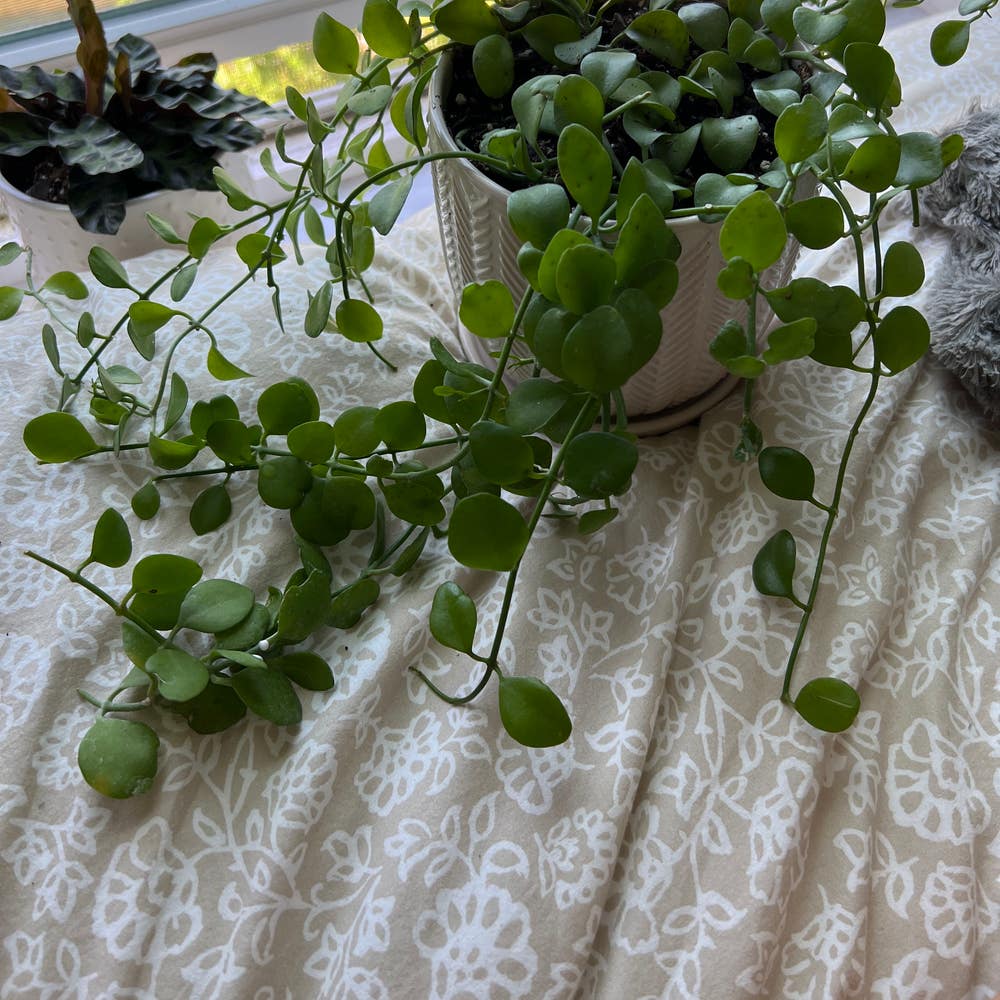
What You Should Know About Button Orchid 🌸
Dischidia nummularia
By the Greg Editorial Team
Jan 24, 2025•13 min read
This article was created with the help of AI so we can cover more plants for you. May contain errors. See one? Report it here.
Unlock the secrets to thriving Button Orchids 🌱 and elevate your gardening game with expert care tips!
- 🌞💧 Button Orchids thrive in humidity (50-70%) and indirect sunlight for optimal growth.
- 🌱 Use well-draining orchid mix and maintain pH 5.5-6.5 for healthy roots.
- 🐾 Safe for pets - Button Orchids are non-toxic to humans, dogs, and cats!
How to Grow
Choosing the Right Location 🌍
Selecting the perfect spot for your Button Orchid is crucial for its growth. These orchids thrive in indirect sunlight, as direct sunlight can scorch their delicate leaves.
Humidity is another key factor; aim for levels between 50-70% for optimal health. Additionally, maintain a temperature range of 20°C to 30°C (68°F to 86°F) to keep your orchid happy.
Soil Preparation 🪴
The right soil mix is essential for your orchid's success. Use a well-draining orchid mix or a bark-based medium to promote healthy root growth.
Check the pH levels of your soil, aiming for a range of 5.5 to 6.5. This ensures that your orchid can absorb nutrients effectively.
Planting Techniques 🌱
When planting, consider the spacing between your orchids. For container planting, allow about 6-12 inches between each plant, while for outdoor planting, 12-18 inches is ideal.
Depth matters too; plant your orchid at a depth where the roots are covered but the crown remains above the soil. This helps prevent rot and encourages healthy growth.
Watering Requirements 💧
Watering your Button Orchid correctly is vital. A general rule is to water once a week or whenever the top inch of soil feels dry.
For effective watering, consider soaking the pot in water for about 15 minutes or using a misting technique to maintain humidity without over-saturating the roots.
Fertilizing Schedule 🌿
To keep your orchid thriving, use a balanced orchid fertilizer with a ratio of 30-10-10. This provides the necessary nutrients for growth.
Apply the fertilizer every 2-4 weeks during the growing season, ensuring you follow the package instructions for the best results.
Pruning and Ongoing Care ✂️
Pruning is essential for maintaining your orchid's health. Trim spent flowers and leaves as needed, ideally after blooming has finished.
When pruning, use clean, sharp tools to avoid damaging the plant. This helps promote new growth and keeps your Button Orchid looking its best.
With these guidelines, you can create a nurturing environment for your Button Orchid. Next, let’s explore how to propagate these beautiful plants for even more blooms!
Propagation
🌱 Methods
Division
Dividing mature Button Orchids is a straightforward way to propagate these beautiful plants. Start by carefully removing the orchid from its pot and gently separating the root ball into sections, ensuring each division has at least a few healthy roots and a growth point.
Cuttings
Taking cuttings is another effective propagation method. Select a healthy stem, cut it just below a node, and allow it to callous for a few hours before placing it in a well-draining medium to root.
Seeds
Seed propagation is more complex but rewarding. Collect seeds from mature flowers and sow them in a sterile medium, keeping them moist and in a warm environment to encourage germination.
🌟 Best Practices
Timing
The best times for propagation are during the spring or early summer when the plant is actively growing. This timing increases the chances of successful rooting and growth.
Environmental Conditions
For optimal rooting, maintain humidity levels between 50-70% and temperatures around 20°C to 30°C (68°F to 86°F). These conditions create a nurturing environment for your new plants to thrive.
With these propagation methods and best practices, you can expand your Button Orchid collection or share the joy of these stunning plants with friends and family. Next, let’s explore the lifecycle of Button Orchids and what to expect as they grow.
Lifecycle
Stages 🌱
Germination
Germination is the first crucial step in the lifecycle of a Button Orchid. Typically, seeds germinate within 2 to 4 weeks under optimal conditions, which include warmth and moisture.
Seedling Stage
Once germinated, seedlings require careful attention for about 6 months. During this time, they need bright, indirect light and consistent humidity to thrive.
Vegetative Growth
After the seedling stage, the plant enters vegetative growth, which can last from 1 to 2 years. This phase is characterized by the development of leaves and roots, setting the foundation for future flowering.
Flowering
Flowering usually occurs when the plant is around 2 to 3 years old. Conditions such as adequate light, proper watering, and a slight temperature drop can trigger this beautiful stage.
Seed Production
Post-flowering, Button Orchids can produce seeds, completing their lifecycle. This process involves pollination, which can be facilitated by insects or manual methods.
Growth Timeline 📅
How Long Until Fully Grown
From seed to maturity, expect a Button Orchid to take about 2 to 3 years. This timeline can vary based on care and environmental conditions.
Growth Rate
On average, Button Orchids grow steadily, adding several inches each year. Factors like light, humidity, and temperature significantly influence their growth rate, making optimal care essential for a thriving plant.
With a solid understanding of the Button Orchid's lifecycle, you're well-equipped to nurture these stunning plants. Next, let's explore the size of Button Orchids and what to expect as they mature.
Size
Mature Height and Spread 🌱
Button Orchids typically reach a mature height of 12 to 24 inches. Their spread can vary, but they generally maintain a compact form that makes them suitable for both indoor and outdoor settings.
Growth Rate and Factors 📈
Several factors influence the growth rate of Button Orchids, including light, humidity, and temperature. These elements can significantly affect how quickly your orchid grows and its overall size, leading to variability depending on the environment.
Size Variability 📏
In different environments, you might notice that Button Orchids can grow larger or smaller. Optimal conditions will encourage fuller growth, while less-than-ideal settings may stunt their development.
Understanding these size characteristics can help you create the perfect environment for your Button Orchid. With the right care, you can enjoy a thriving plant that adds beauty to your space.
As we move forward, let’s explore the fascinating lifecycle of the Button Orchid and how it develops from seed to bloom.
Roots
Description 🌱
Button Orchids have a fibrous root system that is essential for their growth and stability. This type of root system allows for efficient nutrient absorption and helps anchor the plant securely in its growing medium.
Root Depth and Spread 📏
Typically, the roots of a Button Orchid can extend several inches deep and spread outwards, depending on the pot size and growing conditions. A well-developed root system is crucial for the overall health of the plant.
Common Issues ⚠️
Root Rot
Root rot is a common problem caused by overwatering or poorly draining soil. Signs include a foul smell and dark, mushy roots.
Rootbound
When a plant becomes rootbound, its roots fill the pot, restricting growth. You can identify this condition by checking for roots growing out of the drainage holes or circling tightly around the root ball.
Visual Cues 👀
Healthy Roots
Healthy roots are typically white and firm, indicating good moisture and nutrient uptake. They should feel solid and not easily break apart.
Unhealthy Roots
In contrast, unhealthy roots appear brown and mushy, often signaling rot or decay. If you notice these signs, it’s time to take action.
Management Tips 🛠️
Preventing Root Problems
To prevent root issues, ensure proper watering practices and use a well-draining orchid mix. Regularly check the moisture level of the soil to avoid overwatering.
When to Repot
Repotting is necessary when you observe signs of rootbound conditions or if the potting medium has degraded. Generally, repot every 1-2 years to refresh the growing environment.
Understanding the root system of your Button Orchid is vital for its health and longevity. With proper care and attention, you can ensure your plant thrives and flourishes. Next, let’s explore the benefits of growing this beautiful orchid.
Benefits
Top 5 Benefits 🌟
Button orchids are not just beautiful; they bring a range of benefits to your home and garden. Here are the top five reasons to consider adding them to your space.
Aesthetic Appeal 🎨
These stunning plants enhance both indoor and outdoor environments. Their vibrant blooms and unique foliage can elevate any decor, making them a favorite among plant enthusiasts.
Air Purification 🌬️
Button orchids contribute to improved air quality. They help filter toxins, making your living space healthier and more inviting.
Cultural Significance 🌍
In many cultures, orchids symbolize beauty and elegance. Incorporating them into your home can add a touch of sophistication and cultural richness.
Therapeutic Effects 🧘♀️
Gardening with button orchids can provide stress relief. The act of nurturing plants has been shown to boost mood and promote relaxation.
Biodiversity 🌱
These orchids support garden diversity and ecosystem health. By adding them to your garden, you contribute to a balanced environment that benefits various species.
Incorporating button orchids into your life not only beautifies your surroundings but also enhances your well-being. Next, let’s explore how to propagate these lovely plants for even more enjoyment.
Companion Plants
🌱 Companion Planting
Companion planting is a fantastic strategy for enhancing your Button Orchid's growth. By pairing it with the right plants, you can improve pest management and create a thriving ecosystem.
🌿 Compatible Plants
Certain plants work exceptionally well alongside Button Orchids. Consider these companions:
- Ferns: They provide a humid microclimate that orchids love.
- Peace Lilies: Their similar care requirements make them great partners.
- Bromeliads: These add visual interest and share humidity needs.
These plants not only complement each other aesthetically but also support each other's growth.
🚫 Incompatible Plants
While some plants thrive together, others can hinder your Button Orchid's health. Avoid planting near:
- Cacti: Their dry conditions clash with the orchid's humidity needs.
- Heavy feeders: Plants that consume too many nutrients can starve your orchid.
Keeping these incompatible plants at bay ensures your Button Orchid receives the care it deserves.
Transitioning to the next section, let's explore the toxicity of Button Orchids to humans and pets.
Toxicity to Humans
Safety Overview 🌱
Button orchids are generally safe for humans. They are not listed as toxic by major poison control centers, making them a great choice for homes with children and pets.
Potential Minor Issues ⚠️
While they are non-toxic, some individuals may experience mild skin irritation or digestive discomfort if they ingest the plant in excessive amounts. It's always wise to be cautious and monitor any reactions.
Recommendations 🩺
If you or someone else experiences unusual symptoms after contact with a button orchid, seek medical advice. Staying informed and cautious can ensure a safe and enjoyable experience with these beautiful plants.
Toxicity to Dogs
Safety Overview 🐶
Button Orchids are a safe choice for dog owners. They are not listed as toxic by major pet poison control centers, which means you can enjoy their beauty without worrying about your furry friends.
However, it's important to note that excessive consumption may lead to mild gastrointestinal upset. While this is generally not serious, it's best to keep an eye on your dog if they nibble on the plant.
Tips for Introduction 🏡
To ensure a harmonious relationship between your Button Orchid and your dog, proper placement is key. Keep the plant out of reach to prevent any curious snacking.
Additionally, monitoring your dog's behavior around the plant can help you catch any unusual interactions early. Observing how your pet engages with the orchid will give you peace of mind and help maintain a safe environment for both your plant and your pup.
With these simple precautions, you can enjoy the vibrant beauty of Button Orchids while keeping your canine companion safe.
Toxicity to Cats
Safety Overview 🐱
Button Orchids are non-toxic to cats, meaning they won't pose a serious risk if your feline friend decides to take a nibble. However, excessive consumption can lead to mild gastrointestinal upset, so it's best to keep an eye on their munching habits.
Tips for Introduction 🐾
To ensure a safe environment, place your Button Orchid out of reach of curious paws. Regularly monitor your cat's interactions with the plant to prevent any unwanted snacking and to ensure they remain healthy and happy.
By taking these simple precautions, you can enjoy the beauty of your Button Orchid while keeping your furry companion safe.
Problems
Common Issues 🌱
Growing Button Orchids can be rewarding, but it comes with its share of challenges. Here are some common issues you might encounter:
Incorrect Watering
Overwatering can lead to root rot, while underwatering causes the plant to wilt. Look for signs like yellowing leaves for overwatering or dry, crispy edges for underwatering.
Incorrect Light Conditions
Button Orchids thrive in bright, indirect light. If you notice leggy growth, your plant may not be getting enough light, while scorched leaves indicate too much direct sunlight.
Incorrect Temperature
These orchids prefer a temperature range of 20°C to 30°C (68°F to 86°F). If your plant shows signs of stress, like drooping leaves, it may be too hot or too cold.
Diseases
Common diseases include powdery mildew and root rot. Keep an eye out for white, powdery spots or mushy roots, which signal a need for immediate action.
Leaf Issues
Yellowing leaves can indicate overwatering, while scorching may suggest too much light. Fuzzy growth could be a sign of fungal infections, requiring prompt attention.
Solutions 🛠️
Identifying the problem is the first step to a healthy Button Orchid. Here’s how to tackle these issues effectively:
Identification and Causes
- Overwatering: Yellow leaves and mushy roots.
- Underwatering: Crispy, dry leaves.
- Light Issues: Leggy growth or scorched leaves.
- Temperature Stress: Drooping leaves.
- Diseases: White spots or mushy roots.
Steps to Resolve Issues
- Adjust Watering: Water only when the top inch of soil is dry.
- Modify Light Exposure: Move the plant to a location with bright, indirect light.
- Regulate Temperature: Ensure your orchid stays within the optimal temperature range.
- Treat Diseases: Remove affected parts and apply appropriate fungicides.
- Address Leaf Problems: Adjust care based on the specific symptoms observed.
By staying vigilant and responsive to your Button Orchid's needs, you can ensure it thrives beautifully. Next, let’s explore the fascinating world of pests that may affect your orchid.
Bugs
🐛 Pest Issues
Button Orchids are generally resilient against pests, making them a great choice for both novice and experienced gardeners. Their natural toughness helps them withstand many common threats, but vigilance is still key.
🦠 Common Pests
Spider Mites
Spider mites are tiny, often invisible to the naked eye, but their damage is unmistakable. Look for stippling on leaves and fine webbing; these pests suck the sap from your plant, leading to weakened growth.
Scale Insects
Scale insects can be tricky to spot due to their protective shells. If you notice sticky residue or yellowing leaves, it might be time to investigate. Treatment often involves wiping them off with a cotton swab dipped in alcohol.
Mealybugs
Mealybugs resemble small cottony masses on your orchid. They feed on plant sap, causing stunted growth and leaf drop. A simple solution is to apply insecticidal soap or neem oil to eliminate these pests effectively.
Aphids
Aphids are small, soft-bodied insects that can cluster on new growth. They can cause curling leaves and overall plant stress. Regularly inspecting your plant and using a strong stream of water can help dislodge them.
✅ Conclusion
Keeping an eye out for these common pests will help ensure your Button Orchid thrives. With a little care and attention, you can enjoy a healthy, vibrant plant that brings beauty to your space. Next, let’s explore how to manage any problems that may arise in your orchid care journey.
What Eats
Common Animals 🦌
Button Orchids can attract a variety of animals that may munch on their leaves or flowers. Common culprits include deer, rabbits, squirrels, birds, rodents, and groundhogs.
Signs of Damage 🐾
Identifying damage from these animals is crucial for effective management. Look for chewed leaves, missing flowers, or droppings near your plants, which can indicate a visitor.
Deterrent Methods 🚫
To protect your Button Orchids, consider both chemical and organic control methods.
- Chemical deterrents: Use commercial repellents that are safe for plants.
- Organic options: Try sprinkling cayenne pepper or using garlic spray to keep animals at bay.
Implementing these strategies can help safeguard your orchids and ensure they thrive in your garden.
⚠️ Safety First
This content is for general information and may contain errors, omissions, or outdated details. It is not medical, veterinary advice, or an endorsement of therapeutic claims.
Always consult a qualified healthcare professional before using any plant as food, medicine, or supplement.
Never eat any plant (or feed one to pets) without confirming its identity with at least two trusted sources.
If you suspect poisoning, call Poison Control (800) 222-1222, the Pet Poison Helpline (800) 213-6680, or your local emergency service immediately.
Spotted an error? Please report it here.
Cultivating your Button Orchid is a breeze 🌸 with Greg's tailored watering reminders and expert tips to create the perfect humidity and light conditions for thriving blooms!