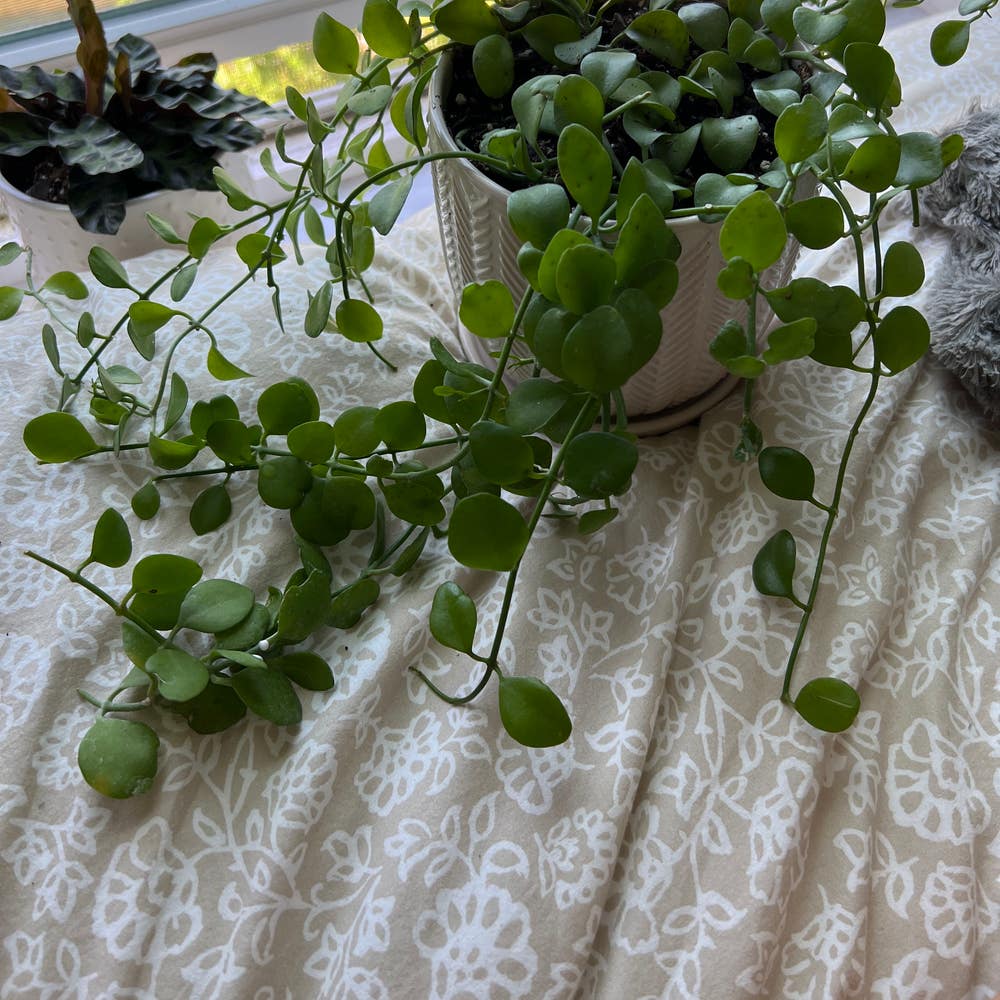
3 Tips for Pruning String of Nickels
Dischidia nummularia
By the Greg Editorial Team
Jul 21, 2024•3 min read
This article was created with the help of AI so we can cover more plants for you. May contain errors. See one? Report it here.
Revitalize your String of Nickels 🌿 with timely pruning for lush, vibrant growth!
- 🌿 Prune in spring/early summer for healthy String of Nickels growth.
- ✂️ Use sharp shears; cut above leaf nodes to promote bushiness.
- 🚫 Avoid dull tools, over-pruning, and immediate watering post-pruning.
Optimal Pruning Times
Pruning your String of Nickels isn't just a chore; it's a way to foster a more vibrant and healthy plant.
Signs Your String of Nickels Needs Pruning
- Watch for vines that have grown too long and are starting to look leggy, indicating they're in need of a trim.
- Yellowing or damaged leaves are a clear sign that it's time to prune. They detract from the plant's beauty and siphon off energy that could go to healthier growth.
🌿 Seasonal Pruning Guide
- The best times to prune your String of Nickels are during the spring and early summer. This aligns with the plant's active growth phase, allowing it to heal quickly and put out new growth.
- Pruning during these seasons helps maintain the plant's shape and encourages a lush, full appearance. Avoid pruning in late fall or winter when the plant is dormant, as this can hinder its recovery.
Pruning Techniques
✂️ Where to Cut
To promote a fuller String of Nickels, it's essential to make cuts in the right places.
- Identify the leaf nodes, as these are pivotal for new growth.
- Snip just above these nodes, which will encourage the plant to branch out more densely.
🛠️ Pruning Tools and Methods
Using the correct tools and techniques is crucial for a clean cut and to avoid plant stress.
- Opt for sharp, sterilized pruning shears or scissors for precision.
- Make angled cuts close to the nodes to minimize the risk of disease and to direct growth effectively.
- Remember, it's about guiding the plant's energy, not just removing excess growth.
Deadheading Details
🌸 The Role of Deadheading in Pruning
Deadheading, the removal of spent or fading flowers, is not a common practice for String of Nickels as it rarely blooms indoors. However, if you are one of the lucky few to witness its flowers, removing them after they fade can redirect energy back into foliage growth.
🌼 Step-by-Step Deadheading
If your String of Nickels does flower and you choose to deadhead, here's how to do it effectively:
- Wait until the blooms naturally wither.
- Using clean, sharp scissors, snip the flower stem close to the base, being careful not to damage the vine.
- Dispose of the spent flowers to keep the area around your plant tidy and pest-free.
Pruning Maintenance
After you've given your String of Nickels a trim, it's crucial to focus on post-pruning care to encourage healthy regrowth. Here's how to pamper your plant after its haircut:
- Keep the soil evenly moist, but avoid waterlogging to prevent root rot.
- Ensure the plant receives adequate light to support new growth.
- Wait to fertilize until you see signs of new growth, then use a half-strength liquid fertilizer.
- Inspect regularly for pests, as freshly cut stems can attract unwanted visitors.
Avoiding common pruning mistakes can save you from unintentional harm to your String of Nickels:
- Never use dull or dirty pruning tools, as they can introduce diseases.
- Resist the urge to over-prune; too much trimming can shock the plant.
- Be careful not to water immediately after pruning, which can increase the risk of fungal infections at the cut sites.
- Avoid fertilizing right after pruning, as the plant needs time to recover before it can utilize the nutrients effectively.
⚠️ Safety First
This content is for general information and may contain errors, omissions, or outdated details. It is not medical, veterinary advice, or an endorsement of therapeutic claims.
Always consult a qualified healthcare professional before using any plant as food, medicine, or supplement.
Never eat any plant (or feed one to pets) without confirming its identity with at least two trusted sources.
If you suspect poisoning, call Poison Control (800) 222-1222, the Pet Poison Helpline (800) 213-6680, or your local emergency service immediately.
Spotted an error? Please report it here.
Prune your String of Nickels to perfection 🌱 with Greg's seasonal care reminders, tailored to encourage vibrant growth when it matters most.