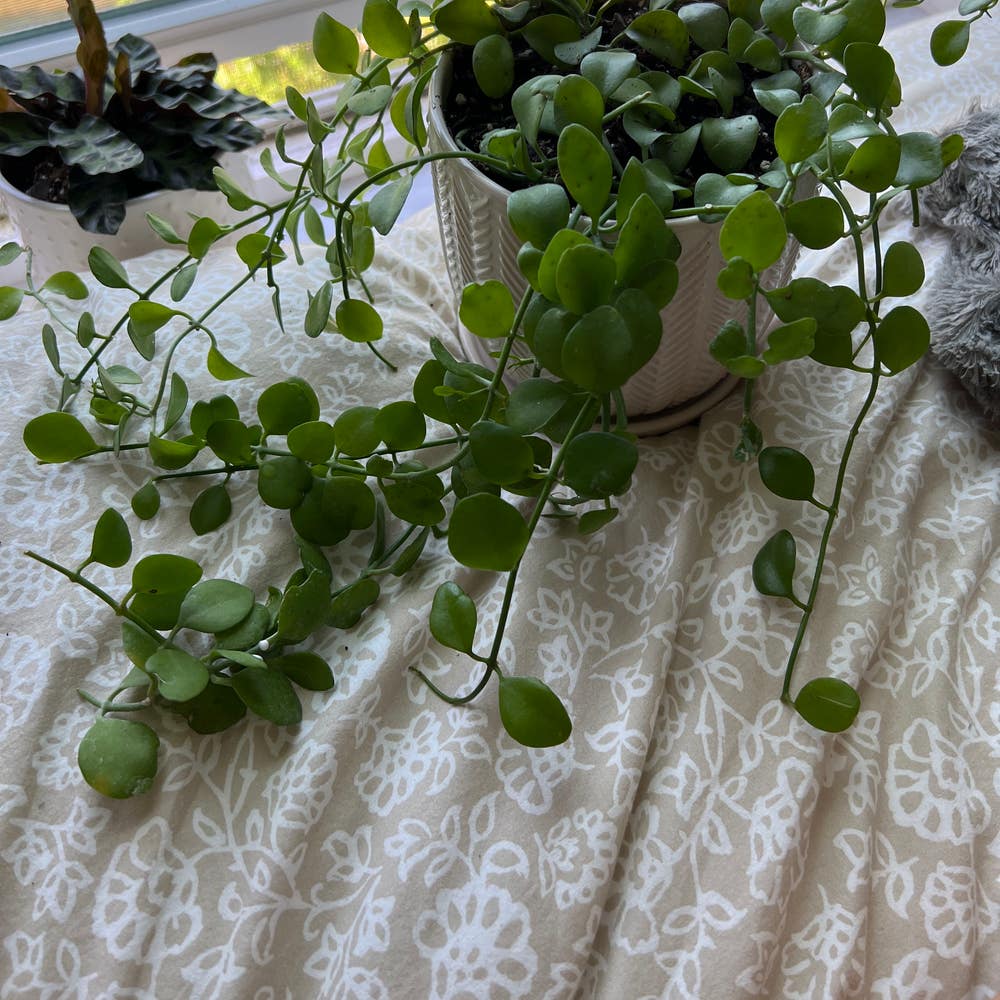
🪴 All About Your String of Nickels's Roots
Dischidia nummularia
By the Greg Editorial Team
Oct 02, 2024•6 min read
This article was created with the help of AI so we can cover more plants for you. May contain errors. See one? Report it here.
Master root care for your String of Nickels 🌱 and watch it thrive with vibrant growth and resilience!
- 🌱 String of Nickels has shallow, fibrous roots for efficient moisture storage.
- 💧 Drought-resistant roots thrive in less-than-ideal conditions; avoid overwatering to prevent rot.
- 🔍 Healthy roots are white or light tan; brown, mushy roots indicate problems.
Root System Characteristics
Type of Root System 🌱
The String of Nickels features a fibrous root system, characterized by shallow yet extensive roots. This design allows the plant to efficiently store moisture, making it well-suited for various environments.
In comparison to other root types, such as taproots or rhizomatous systems, fibrous roots spread laterally. This adaptation maximizes moisture absorption, crucial for the plant's survival.
Specific Characteristics 🌟
One of the standout features of the String of Nickels is its drought resilience. The roots are adept at storing moisture, enabling the plant to thrive even in less-than-ideal conditions.
When assessing root health, texture and color are key indicators. Healthy roots typically appear white or light tan, while unhealthy roots may turn brown or become mushy. Keeping an eye on these characteristics can help ensure your plant remains vibrant and strong.
Understanding these root system characteristics sets the foundation for effective care practices. Next, we’ll explore how root growth patterns influence your plant's overall health.
Root Growth Patterns
Depth and Spread 🌱
The String of Nickels features a shallow root structure, typically extending just 6-12 inches deep. This design allows the plant to maximize moisture absorption through an extensive lateral spread.
Growth Patterns in Different Conditions 🌍
Soil type significantly impacts root growth. Well-draining soil promotes healthy roots, while compacted soil can hinder development.
Light and temperature also play crucial roles in root development. Optimal conditions, including bright indirect light and moderate temperatures, foster robust root systems.
Understanding these growth patterns helps ensure your String of Nickels thrives in its environment. With the right conditions, you can support its growth and overall health effectively.
Next, we’ll explore care practices influenced by these root characteristics, ensuring your plant remains vibrant and healthy.
Care Practices Influenced by Roots
Watering Techniques 💧
Watering your String of Nickels is crucial for its health. Allow the soil to dry out between waterings to prevent root rot.
Signs of overwatering include wilting leaves and a mushy root system, while underwatering may cause leaves to shrivel. Keep an eye on your plant's response to your watering routine.
Fertilizing Considerations 🌱
Using the right fertilizer can boost your plant's growth. Opt for balanced, diluted fertilizers during the growing season to provide essential nutrients.
Timing is key; fertilize every 4-6 weeks for optimal results. This will help your String of Nickels thrive and maintain vibrant foliage.
Transplanting Tips 🌿
Transplanting is an essential practice for maintaining root health. Look for signs of rootbound conditions, such as roots growing out of drainage holes or stunted growth.
When repotting, choose a pot that’s one size larger and use a well-draining soil mix. This will encourage healthy root expansion and overall plant vitality.
By following these care practices, you can ensure your String of Nickels remains healthy and vibrant. Next, let’s explore common root-related issues that may arise.
Common Root-Related Issues
🦠 Identifying Root Rot and Other Diseases
Root rot is a sneaky adversary for your String of Nickels. Look out for wilting, yellowing leaves, and mushy roots—these are telltale signs that something is amiss.
Other common root diseases can also affect your plant's health. Keep an eye out for unusual growth patterns or discoloration, as these can indicate underlying issues.
🛡️ Tips for Prevention
Preventing root problems starts with proper watering techniques. Always allow the soil to dry out between waterings to avoid creating a soggy environment.
Choosing the right soil mix is equally crucial. A well-draining mix prevents compaction, allowing roots to breathe and thrive. This simple step can make a world of difference in maintaining root health.
By staying vigilant and proactive, you can ensure your String of Nickels remains vibrant and healthy. Next, let’s explore how to identify indicators of root health to keep your plant thriving.
Indicators of Root Health
🌱 Visual Cues for Healthy Roots
Healthy roots are essential for the vitality of your String of Nickels. Look for roots that have a firm texture and a color ranging from white to light tan.
During repotting, a robust root system will appear well-structured and free from any signs of distress. This is a good indicator that your plant is thriving.
🚨 Signs of Unhealthy Roots
On the flip side, unhealthy roots can spell trouble. If you notice brown, mushy roots or a foul odor emanating from the soil, it's time to take action.
Neglecting root health can lead to stunted growth and even plant death. Keeping an eye on these indicators ensures your String of Nickels remains vibrant and healthy.
Understanding these signs will help you maintain a flourishing plant, setting the stage for the next section on rootbound conditions.
Rootbound Plants
Definition and Recognition 🌱
Rootbound conditions occur when a plant's roots grow too densely within its pot, restricting their ability to absorb nutrients and water. This often leads to stunted growth and can severely impact the plant's health.
Look for signs like roots pushing out of drainage holes or a noticeable lack of new growth. If your plant seems to be struggling despite proper care, it might be time to check its roots.
Solutions for Rootbound Plants 🛠️
To alleviate rootbound conditions, repotting is essential. Choose a pot that is one size larger and ensure it has good drainage.
Timing is crucial; repot during the growing season for the best results. When repotting, consider root pruning to encourage healthier growth. Trim away any excessively tangled or damaged roots to promote new development.
By addressing rootbound issues promptly, you can help your plant thrive and flourish. This proactive approach not only enhances root health but also contributes to the overall vitality of your String of Nickels.
Next, let’s explore how to propagate and divide your plant effectively.
Propagation and Division
Importance of Root Health 🌱
Healthy roots are crucial for successful propagation. They ensure that new plants can establish themselves quickly and thrive.
Timing is also key when propagating. Wait until your String of Nickels shows signs of robust root health before attempting to divide.
Step-by-Step Guide for Dividing String of Nickels ✂️
Preparing tools: Start with clean, sharp scissors or pruning shears to prevent infection.
Identifying suitable sections: Look for sections that have multiple stems and healthy roots.
Carefully separating roots: Gently pull apart the roots, ensuring each section has a healthy root system attached.
Repotting divided sections: Place each section in appropriate soil and pots, giving them a fresh start.
By following these steps, you can successfully propagate your String of Nickels and enjoy the satisfaction of nurturing new plants. This process not only enhances your collection but also promotes overall plant health.
Next, let’s explore common root-related issues that can arise and how to tackle them effectively.
⚠️ Safety First
This content is for general information and may contain errors, omissions, or outdated details. It is not medical, veterinary advice, or an endorsement of therapeutic claims.
Always consult a qualified healthcare professional before using any plant as food, medicine, or supplement.
Never eat any plant (or feed one to pets) without confirming its identity with at least two trusted sources.
If you suspect poisoning, call Poison Control (800) 222-1222, the Pet Poison Helpline (800) 213-6680, or your local emergency service immediately.
Spotted an error? Please report it here.
Unlock the secret to thriving roots for your String of Nickels with Greg's tailored watering alerts and care tips, ensuring your plant stays root-healthy! 🌿