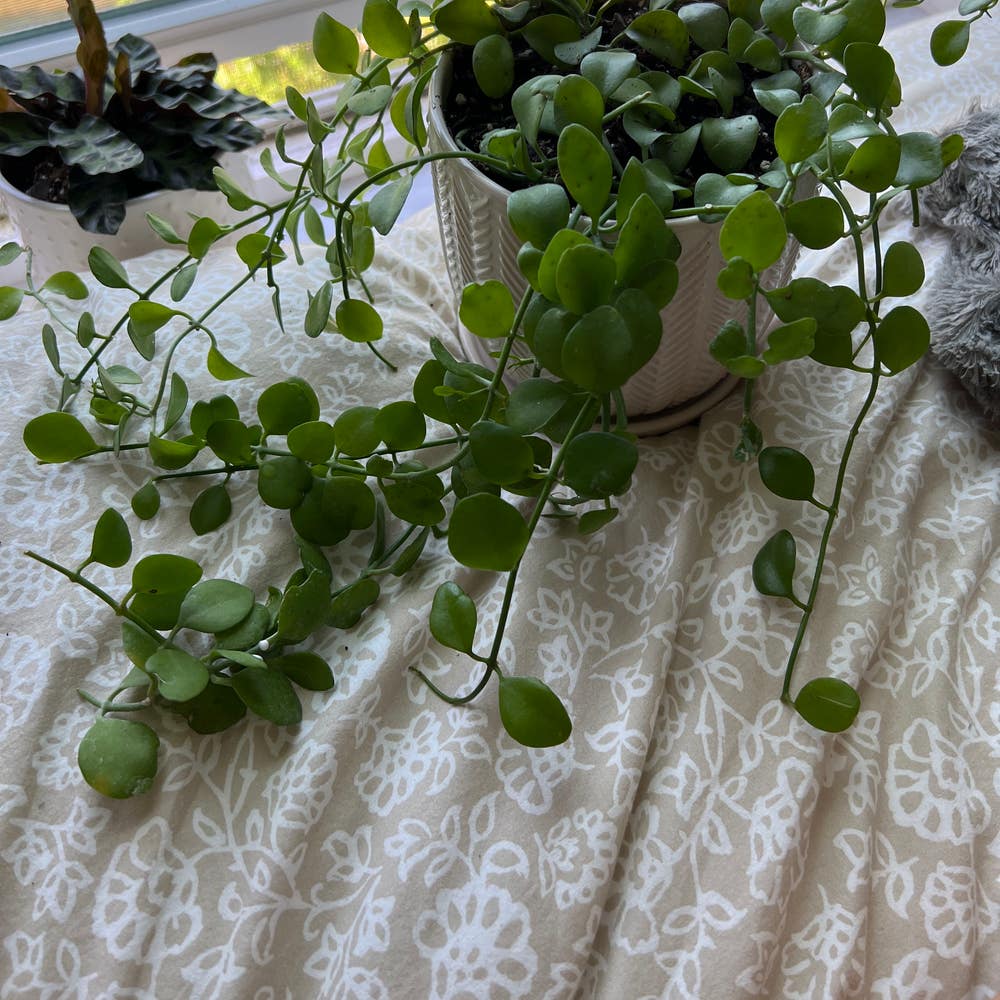
😴 Understanding Why Your String of Nickels Is Wiling
Dischidia nummularia
By the Greg Editorial Team
Oct 02, 2024•6 min read
This article was created with the help of AI so we can cover more plants for you. May contain errors. See one? Report it here.
Transform wilting plants 🌱 into thriving beauties by mastering essential care techniques and understanding their needs!
- 💧 Wilting leaves indicate water stress, either from underwatering or overwatering issues.
- ☀️ Heat stress causes curling leaves; relocate to bright, indirect light for relief.
- 🌱 Consistent care and monitoring prevent wilting and promote healthy growth.
Common Causes of Wilting Leaves
💧 Water Stress
Wilting leaves often signal water stress, where they appear limp and may feel soft to the touch. This can stem from two main causes:
- Underwatering: When the plant doesn't receive enough moisture, it leads to dehydration.
- Overwatering: Surprisingly, too much water can also cause wilting. Root rot may develop, making the plant wilt even in soggy soil.
🔥 Heat Stress
Heat stress is another common culprit behind wilting leaves. Symptoms include curling or crispy edges, indicating the plant is struggling.
- Excessive Sunlight Exposure: Direct sunlight can scorch the leaves, leading to rapid moisture loss.
- High Ambient Temperatures: Elevated temperatures can exacerbate moisture loss, putting additional strain on the plant.
🦠 Disease-Related Wilting
While less common, disease-related wilting can occur. Symptoms often include yellowing leaves that precede wilting, sometimes accompanied by a foul smell.
- Pathogenic Wilt: This rare condition can arise from soil-borne pathogens. However, it's essential to note that environmental factors are far more likely to cause wilting.
Understanding these causes is crucial for effective plant care. By identifying the underlying issues, you can take the necessary steps to revive your string of nickels and keep it thriving.
Diagnosing Wilting
Step-by-Step Guide to Diagnosis 🌱
Diagnosing wilting in your string of nickels starts with assessing soil moisture. Check the top inch of soil; if it's dry, your plant may be underwatered. Conversely, if the soil feels soggy, overwatering could be the culprit.
Next, evaluate the environmental conditions. Look for direct sunlight exposure and check the temperature levels around your plant.
Inspect the leaves for any signs of disease, such as yellowing or a foul smell. These symptoms can indicate more serious issues that need addressing.
Finally, consider any recent care changes. Have you altered your watering routine, relocated the plant, or changed its fertilization schedule? These factors can significantly impact your plant's health.
Signs to Look for in Wilting Leaves 👀
Keep an eye out for specific signs that indicate wilting. Limpness or softness in the leaves is a primary symptom to watch for.
You might also notice curling or crispy edges, which suggest heat stress. Yellowing or browning leaves can indicate a more serious issue, while a foul odor may signal root rot.
By being vigilant and following these diagnostic steps, you can better understand the health of your string of nickels and take appropriate action. This proactive approach sets the stage for effective solutions, which we'll explore next.
Solutions for Wilting Leaves
Addressing Water Stress 🌊
Water stress is a common culprit behind wilting leaves.
For underwatering, give your plant a good soak until excess water drains from the bottom.
If overwatering is the issue, let the soil dry out completely before the next watering.
In cases of suspected root rot, consider repotting in fresh, well-draining soil to give your plant a fighting chance.
Addressing Heat Stress ☀️
Heat stress can also lead to wilting, so it’s crucial to adjust your plant's environment.
Relocate the plant to a spot with bright, indirect light to protect it from harsh rays.
Make sure the ambient temperature stays within the ideal range of 20°C to 30°C (68°F to 86°F) for optimal growth.
Addressing Disease-Related Wilting 🦠
Disease-related wilting is less common but still worth addressing.
Start by removing any affected leaves and inspecting the roots for signs of rot.
If necessary, treat with appropriate fungicides, although this is usually a last resort.
By taking these steps, you can help your string of nickels bounce back from wilting.
Next, let’s explore how to revive a wilted plant effectively.
Reviving a Wilted Plant
Techniques for Bottom Watering 🌊
Bottom watering is a gentle way to revive your plant.
- Place the pot in a shallow dish of water.
- Allow the plant to absorb moisture from the bottom for 30 minutes.
- Remove it and let any excess water drain away.
Relocating the Plant Temporarily 🌍
Sometimes, a change of scenery can work wonders.
Move your plant to a more suitable environment with stable temperatures and indirect light.
Keep an eye on it for signs of recovery over the next few days.
Pruning Damaged Leaves ✂️
Pruning can be a game-changer for a wilted plant.
Use clean, sharp scissors to remove any wilted or damaged leaves.
This encourages new growth and helps the plant focus its energy on healthier parts.
By following these steps, you can breathe new life into your wilted plant. If you notice improvements, you’re on the right track! Next, let’s explore preventive measures to keep your plant thriving.
Preventive Measures
Best Practices for Care 🌱
To keep your string of nickels thriving, establish a consistent watering schedule. Allow the top inch of soil to dry out between waterings to prevent both underwatering and overwatering.
Choosing the right soil is equally crucial. Opt for a well-draining succulent mix to ensure your plant's roots stay healthy and free from rot.
Environmental Considerations 🌞
Light conditions play a vital role in your plant's health. Aim for bright, indirect light to promote optimal growth without risking leaf scorch.
Temperature control is essential too. Keep your plant in a stable environment, away from drafts or heat sources, to maintain its overall well-being.
By following these preventive measures, you can significantly reduce the risk of wilting and ensure your string of nickels flourishes. Next, let’s explore how to recognize when your plant needs immediate attention.
When to Seek Help
🆘 Signs That Professional Help is Needed
If your string of nickels continues to wilt despite your best care efforts, it may be time to seek professional assistance. Persistent wilting can indicate underlying issues that simple adjustments won't fix.
Look for signs of severe disease or pest infestation. If you notice unusual spots, discoloration, or tiny critters on your plant, don’t hesitate to get expert advice.
🌱 Resources for Plant Care Assistance
Local nurseries are excellent resources for hands-on advice and diagnosis. The staff can provide tailored recommendations based on your plant's specific needs.
Online communities can also be invaluable. Platforms like Greg offer a wealth of knowledge and support from fellow plant enthusiasts who share your passion. Engaging with these communities can help you troubleshoot issues and connect with others who understand your plant care journey.
Recognizing when to seek help is crucial for the health of your plants. With the right support, you can turn your wilting string of nickels into a thriving beauty.
⚠️ Safety First
This content is for general information and may contain errors, omissions, or outdated details. It is not medical, veterinary advice, or an endorsement of therapeutic claims.
Always consult a qualified healthcare professional before using any plant as food, medicine, or supplement.
Never eat any plant (or feed one to pets) without confirming its identity with at least two trusted sources.
If you suspect poisoning, call Poison Control (800) 222-1222, the Pet Poison Helpline (800) 213-6680, or your local emergency service immediately.
Spotted an error? Please report it here.
Keep your string of nickels thriving 🌱 by using Greg's tailored watering reminders and community insights to tackle wilting issues head-on!