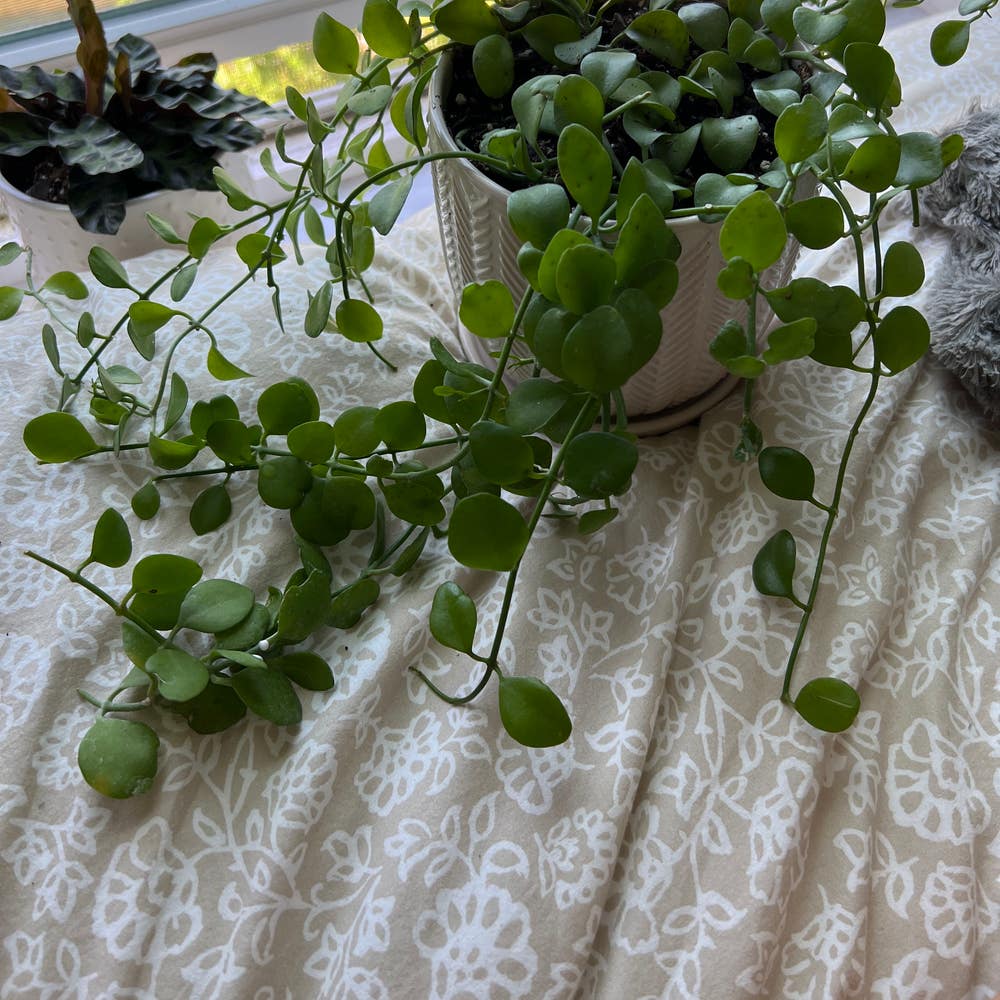
8 Plants That Thrive Alongside String of Nickels 💰
Dischidia nummularia
By the Greg Editorial Team
Oct 02, 2024•6 min read
This article was created with the help of AI so we can cover more plants for you. May contain errors. See one? Report it here.
Elevate your garden's beauty and health 🌱 by pairing String of Nickels with the best companion plants!
- 🌱 Choosing the right companions enhances String of Nickels' growth and health.
- 🌼 Echeveria, Sedum, and Aloe Vera are ideal companions for pest control and aesthetics.
- 🌿 Avoid incompatible plants to prevent overwatering and maintain a thriving garden ecosystem.
Best Companion Plants for String of Nickels
🌱 Description of Each Companion Plant
Choosing the right companion plants for your String of Nickels is essential for a thriving garden. Look for plants that share similar care needs, possess pest-repellent properties, and offer visual appeal.
🌼 Specific Examples of Plants that Thrive with String of Nickels
Echeveria
Echeveria thrives in bright, indirect light and well-draining soil, making it a perfect match for String of Nickels. Its rosette shape not only complements the trailing nature of String of Nickels but also deters common pests like aphids.
Sedum
Sedum is drought-tolerant and prefers similar watering schedules, ensuring compatibility. Its varied textures and colors enhance the aesthetic, while it attracts beneficial insects that prey on pests.
Haworthia
Haworthia enjoys bright light and minimal watering, aligning well with the needs of String of Nickels. Its unique leaf patterns add interest to arrangements and it is naturally resistant to mealybugs.
Aloe Vera
Aloe Vera requires well-draining soil and infrequent watering, making it another suitable companion. Its tall, upright growth contrasts nicely with trailing plants and contains compounds that deter pests.
String of Hearts
String of Hearts thrives under similar light and watering conditions, creating a harmonious environment. Its heart-shaped leaves not only attract pollinators but also repel harmful insects.
Jade Plant
Jade Plant has low water requirements and enjoys bright light, making it easy to care for alongside String of Nickels. Its thick, glossy leaves provide a striking contrast that enhances visual appeal.
Pothos
Pothos tolerates low light and irregular watering, making it versatile for different settings. Its cascading vines enhance the overall look while helping to deter spider mites.
ZZ Plant
ZZ Plant thrives in low light and requires minimal water, making it an excellent companion. Its glossy leaves add a touch of elegance and it is resistant to most pests.
These companion plants not only thrive alongside String of Nickels but also contribute to a vibrant and healthy garden ecosystem. Next, we’ll explore which plants to avoid to ensure your garden remains flourishing and pest-free.
Plants to Avoid with String of Nickels
🌱 Description of Plants that Do Not Thrive with String of Nickels
When selecting companion plants for your String of Nickels, it's crucial to know which ones to avoid. Incompatible plants often have vastly different care needs or growth habits that can hinder the health of your String of Nickels.
Some plants thrive in moist conditions, while others prefer drier environments. This mismatch can lead to overwatering, which is detrimental to the String of Nickels.
🚫 Reasons for Incompatibility
Differing Water Needs
Plants that require more moisture can create a soggy environment. This excess water can lead to root rot, a common issue for succulents like String of Nickels.
Pest Attraction
Certain plants may attract pests that can harm your String of Nickels. For instance, some flowering plants draw in aphids or spider mites, which can wreak havoc on your succulent's health.
By avoiding these incompatible plants, you can create a thriving environment for your String of Nickels. This ensures that your garden remains vibrant and healthy, paving the way for a successful companion planting strategy.
Next, let’s explore how to enhance visual appeal and garden diversity with the right companion plants.
Visual Appeal and Garden Diversity
Importance of Visual Appeal in Companion Planting 🌈
Creating an attractive garden involves more than just choosing plants; it’s about harmonizing color, texture, and shape. Companion planting allows for a vibrant display, where the contrasting hues and varied leaf textures can truly shine.
Cascading plants, like String of Nickels, add movement and softness, while upright varieties provide structure and height. This combination creates a dynamic visual interest that draws the eye and enhances the overall garden aesthetic.
How Companion Plants Enhance Garden Diversity 🌍
Incorporating a variety of species promotes ecological balance. Different plants can attract beneficial insects, improve soil health, and create a more resilient garden ecosystem.
Diversity not only enriches the visual landscape but also leads to healthier plants. A varied garden can reduce pest issues, as a mix of species often confuses pests and encourages natural predators.
Tips for Creating a Visually Appealing Arrangement 🎨
Layering plants based on height and growth habits is key to a stunning arrangement. Place taller plants at the back or center, with trailing varieties cascading over the edges for a lush look.
Consider color combinations that complement String of Nickels. Pairing it with plants that have contrasting colors or textures can elevate your garden's appeal, making it a feast for the eyes.
By thoughtfully selecting companion plants, you can create a visually captivating and diverse garden that thrives together.
Pest Management through Companion Planting
🌱 How Certain Companion Plants Can Deter Pests
Companion planting is a powerful strategy for managing pests naturally. Many plants possess natural pest deterrents, such as essential oils or compounds that repel unwanted insects.
For instance, marigolds are famous for their ability to deter nematodes and aphids. Similarly, herbs like basil and mint can ward off pests while attracting beneficial insects.
🌼 Creating a Balanced Ecosystem
By pairing plants wisely, you can create a balanced ecosystem in your garden. This diversity not only enhances visual appeal but also promotes healthier plants.
When certain plants thrive together, they can support each other in pest management. For example, planting garlic near roses can help keep aphids at bay.
📊 Examples of Pest Management Strategies Using Companion Plants
Implementing specific strategies can significantly enhance your pest management efforts. Here are a few effective approaches:
Interplanting: Mix pest-repelling plants with vulnerable ones. This method confuses pests and reduces their chances of finding their preferred targets.
Trap Cropping: Use a sacrificial plant to lure pests away from your main crops. For example, planting radishes can attract flea beetles, sparing your more valuable plants.
Companion Grouping: Group plants with similar pest-repelling properties together. This creates a protective barrier around your more susceptible plants.
📚 Case Studies in Successful Pest Management
Many gardeners have successfully utilized companion planting to manage pests. For instance, a community garden in California reported a significant reduction in aphid populations by interplanting nasturtiums with their vegetables.
Another example comes from a home gardener who found that pairing zucchini with marigolds led to fewer squash bugs. These real-world observations highlight the effectiveness of companion planting strategies.
By understanding and applying these methods, you can create a thriving garden ecosystem that minimizes pest issues. This not only benefits your plants but also enhances your gardening experience.
As you explore companion planting, consider how these strategies can work for your own garden. The next section will delve into the visual appeal and diversity that companion plants bring to your space.
⚠️ Safety First
This content is for general information and may contain errors, omissions, or outdated details. It is not medical, veterinary advice, or an endorsement of therapeutic claims.
Always consult a qualified healthcare professional before using any plant as food, medicine, or supplement.
Never eat any plant (or feed one to pets) without confirming its identity with at least two trusted sources.
If you suspect poisoning, call Poison Control (800) 222-1222, the Pet Poison Helpline (800) 213-6680, or your local emergency service immediately.
Spotted an error? Please report it here.
Create a thriving garden ecosystem 🌿 around your String of Nickels with the right companion plants, and let Greg's personalized care reminders guide you to success!