8 Ideal Locations to Plant Cathedral Window Haworthia 🪟
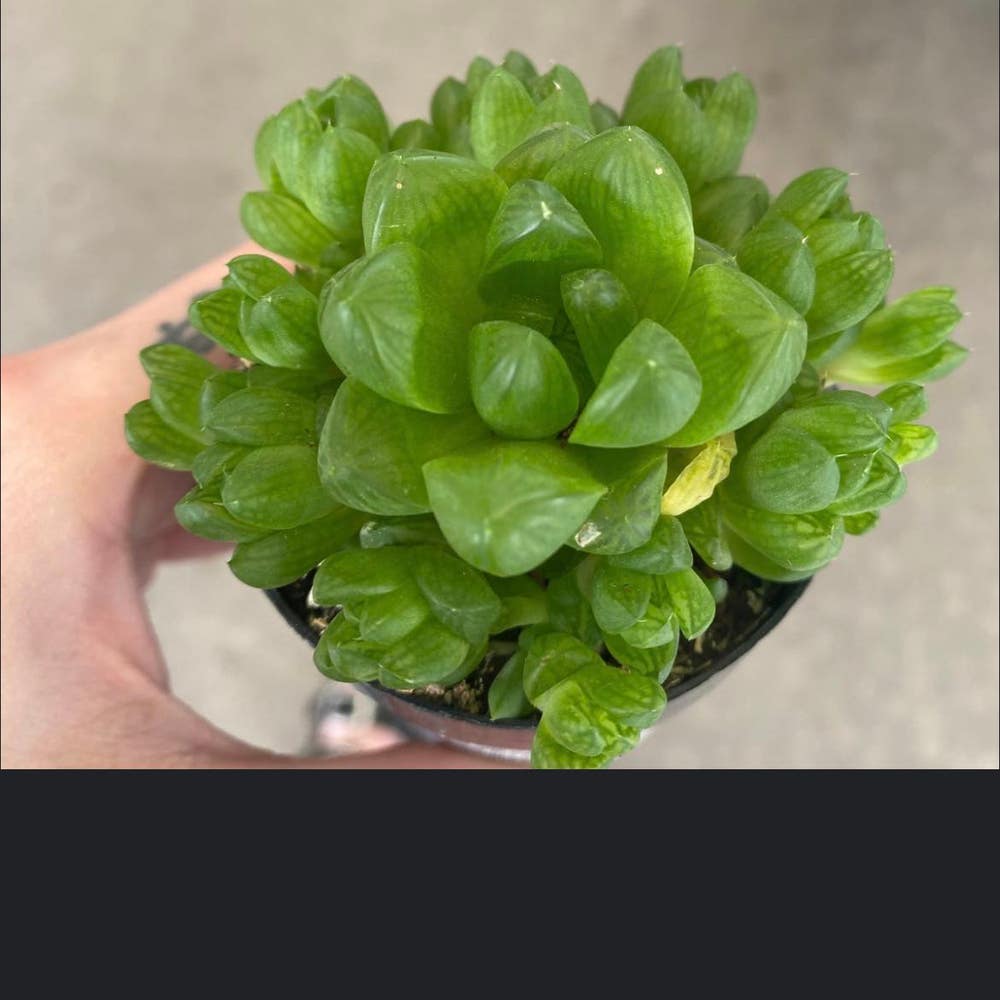
Haworthia cymbiformis
By the Greg Editorial Team
Oct 09, 2024•4 min read
This article was created with the help of AI so we can cover more plants for you. May contain errors. See one? Report it here.
Master sunlight, soil, and spacing for a thriving Cathedral Window Haworthia garden! 🌞🌱
- 🌞 Cathedral Window Haworthia loves bright, indirect sunlight; avoid harsh direct light.
- 🌡️ Hotter climates require careful placement to prevent overheating and stress.
- 🏡 Ideal locations include bright rooms, patios, and shaded outdoor spots for optimal growth.
Sunlight Exposure Requirements
Optimal Light Conditions 🌞
Cathedral Window Haworthia thrives in bright, indirect sunlight. This succulent loves to soak up light without the harshness that can scorch its delicate leaves.
Tolerance to Shade 🌳
In hotter climates, it can handle partial shade quite well. This adaptability makes it a great choice for various garden settings.
Signs of Inadequate Light 🚨
If your Haworthia starts stretching or its leaves become elongated, it’s a clear sign it's not getting enough light. Additionally, a loss of color vibrancy indicates that your plant is craving more sun.
Ideal Outdoor Sun Exposure 🌅
For outdoor planting, aim for morning sun with afternoon shade. This setup helps prevent leaf scorch while still providing the light your plant needs to flourish.
By understanding these sunlight exposure requirements, you can create the perfect environment for your Cathedral Window Haworthia. Next, let’s explore the soil type preferences that will keep your plant healthy and happy.
Soil Type Preferences
Preferred Soil Composition 🌱
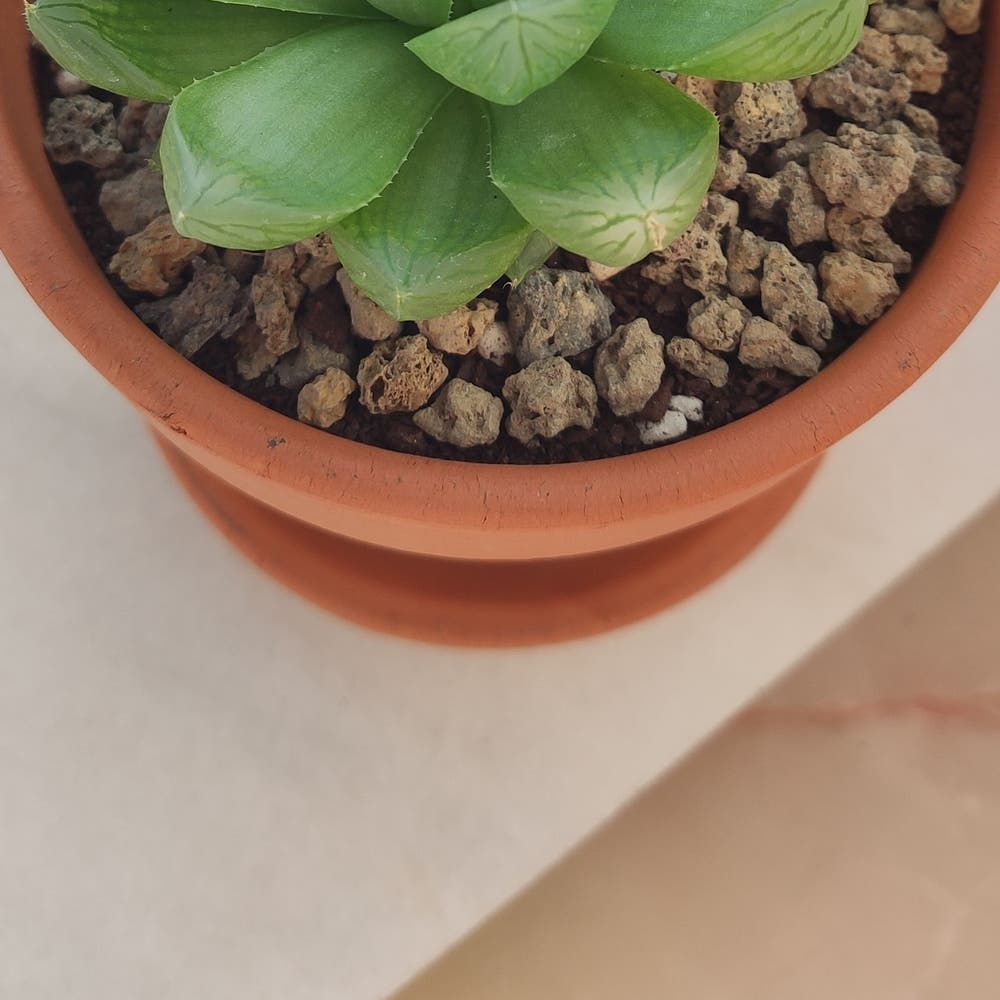
Cathedral Window Haworthia thrives in well-drained, sandy soils. This type of soil is crucial for preventing root rot and overwatering issues, which can be detrimental to your plant's health.
Importance of Drainage 🚰
Good drainage is essential for these succulents. Without it, the roots can become waterlogged, leading to decay and ultimately, plant death.
Recommended Soil Amendments 🛠️
To enhance drainage, consider incorporating perlite or coarse sand into your soil mix. These amendments create air pockets that allow excess water to escape, keeping your Haworthia happy and healthy.
Soil pH Range ⚖️
Aim for a slightly acidic to neutral soil pH, ideally between 6.0 and 7.0. This range supports optimal nutrient absorption, ensuring your plant gets everything it needs to flourish.
By focusing on the right soil type and composition, you set the stage for a thriving Cathedral Window Haworthia. Next, let’s explore how to space your plants effectively for optimal growth.
Proximity to Other Plants and Structures
🌱 Spacing and Companion Planting
When planting your Cathedral Window Haworthia, ensure they are spaced at least 12 inches apart from other plants. This spacing promotes airflow, which is crucial for preventing mold and disease.
🤝 Considerations for Companion Plants
Choose companion plants that share similar water and light requirements. Succulents like Echeveria or Sedum can thrive alongside Haworthia, creating a harmonious garden aesthetic.
🚫 Avoiding Overcrowding
Overcrowding can lead to competition for light and nutrients. By giving each plant enough space, you allow them to flourish without stress.
🏠 Placement Near Structures
Positioning your Haworthia near structures can be beneficial. They can enjoy reflected light, which enhances growth, but be cautious of excessive shade that may hinder their development.
Understanding these spacing and placement strategies will help your Cathedral Window Haworthia thrive. Next, we’ll explore how to assess microclimates for optimal growth conditions.
Assessing Microclimates
🌡️ Understanding Microclimates
Microclimates are the subtle variations in temperature and light that can exist within your garden. These small changes can significantly impact how well your Cathedral Window Haworthia thrives.
🔥 Identifying Warm Spots
Look for areas near walls or fences that absorb heat. These spots can provide a cozy environment for your plants, especially during cooler months.
💧 Evaluating Moisture Levels
Check for areas that retain water or dry out quickly. Understanding moisture levels helps you avoid overwatering or underwatering your Haworthia.
👀 Importance of Observation
Take the time to monitor sun patterns throughout the day. This observation will guide you in finding the perfect spot for your plants, ensuring they get the right amount of light.
By assessing these microclimates, you can create an ideal environment for your Cathedral Window Haworthia. This attention to detail will help your plants flourish, setting the stage for the next topic on wind protection and drainage considerations.
Wind Protection and Drainage Considerations
🌬️ Strategies for Protection and Drainage
Wind can be a sneaky adversary for your Cathedral Window Haworthia. To shield these delicate plants, consider using barriers like fences or taller plants. These not only provide physical protection but also create a more stable microclimate.
When it comes to drainage, the right pot is crucial. Always choose pots with drainage holes for indoor settings. For outdoor beds, elevating them can significantly improve water flow and prevent soggy roots.
🪨 Importance of Drainage Layers
Don't underestimate the power of a good drainage layer. Adding gravel or stones at the bottom of your pots enhances drainage and keeps roots healthy. This simple step can make a world of difference, especially in heavy rains or humid conditions.
By ensuring proper wind protection and drainage, you set your Cathedral Window Haworthia up for success. Next, let’s explore how to assess microclimates for optimal growth.
⚠️ Safety First
This content is for general information and may contain errors, omissions, or outdated details. It is not medical, veterinary advice, or an endorsement of therapeutic claims.
Always consult a qualified healthcare professional before using any plant as food, medicine, or supplement.
Never eat any plant (or feed one to pets) without confirming its identity with at least two trusted sources.
If you suspect poisoning, call Poison Control (800) 222-1222, the Pet Poison Helpline (800) 213-6680, or your local emergency service immediately.
Spotted an error? Please report it here.
Find the perfect sunny spot ☀️ for your Cathedral Window Haworthia, and let Greg provide tailored care tips to help your succulent flourish in any environment!