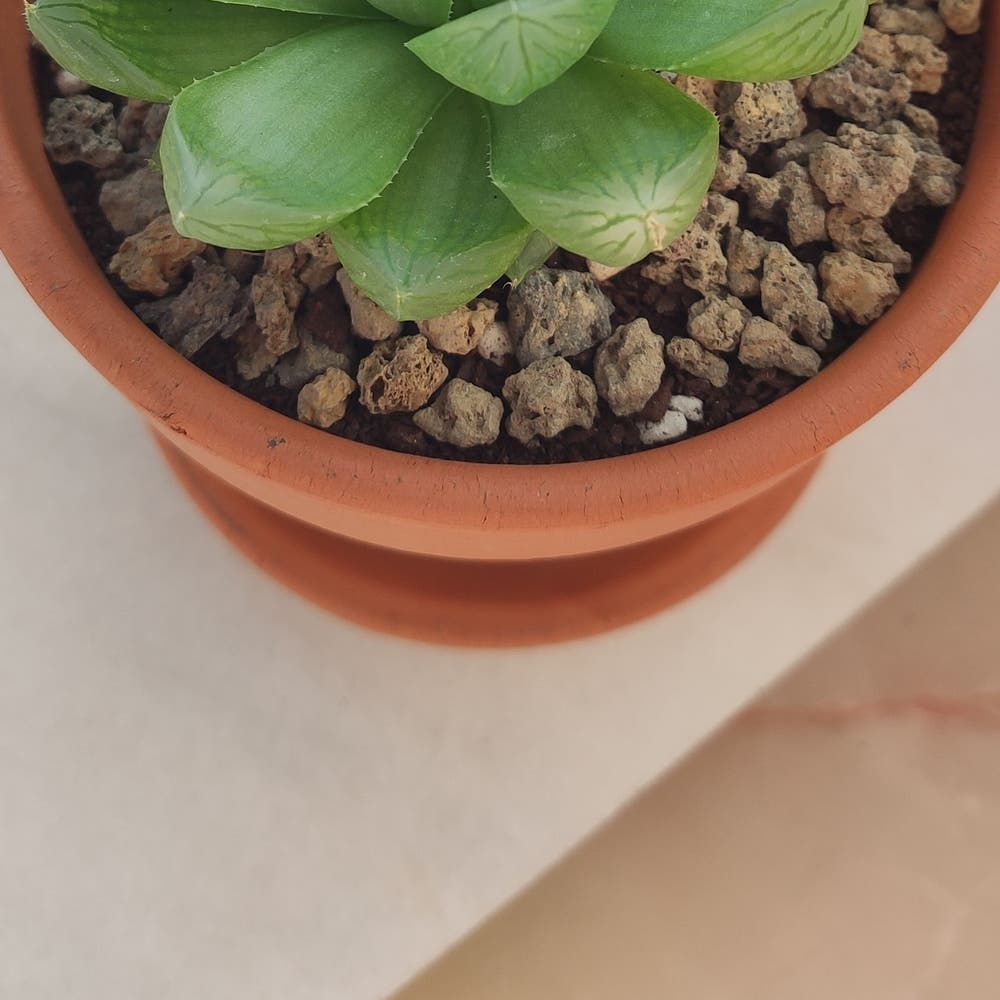
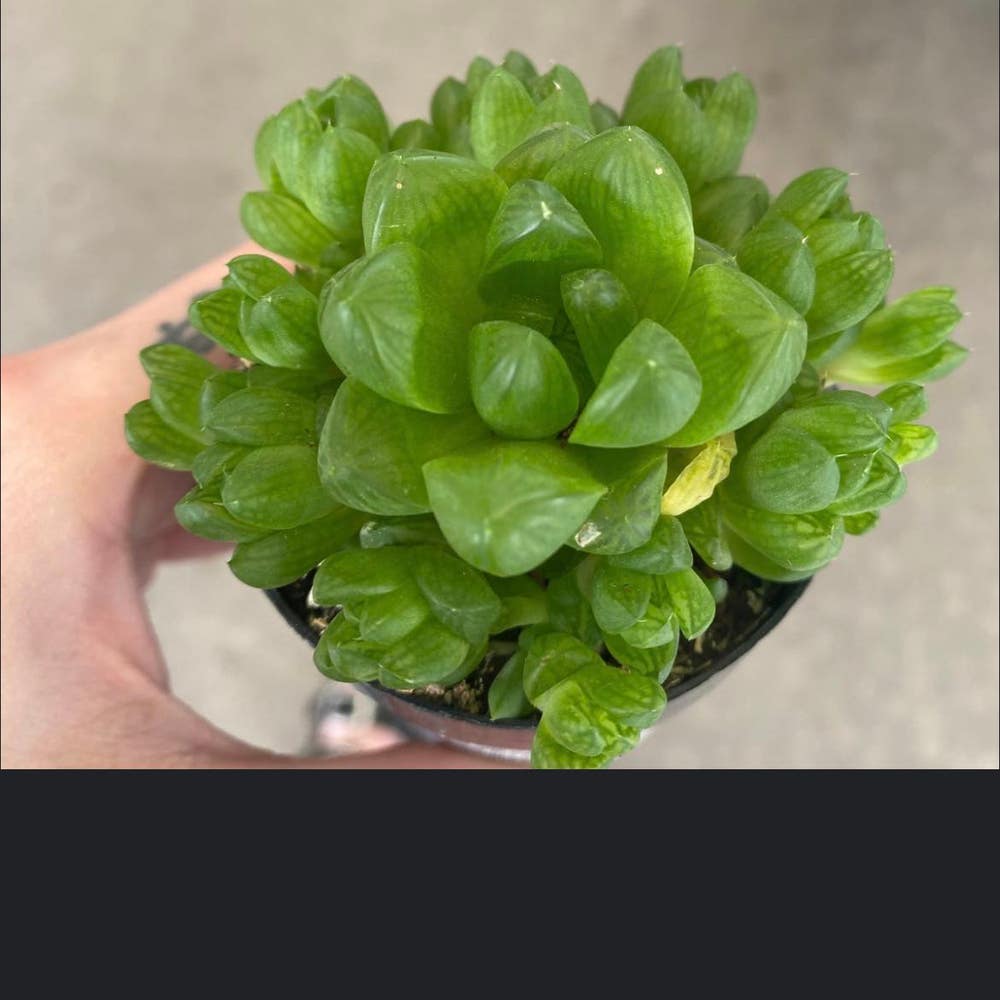
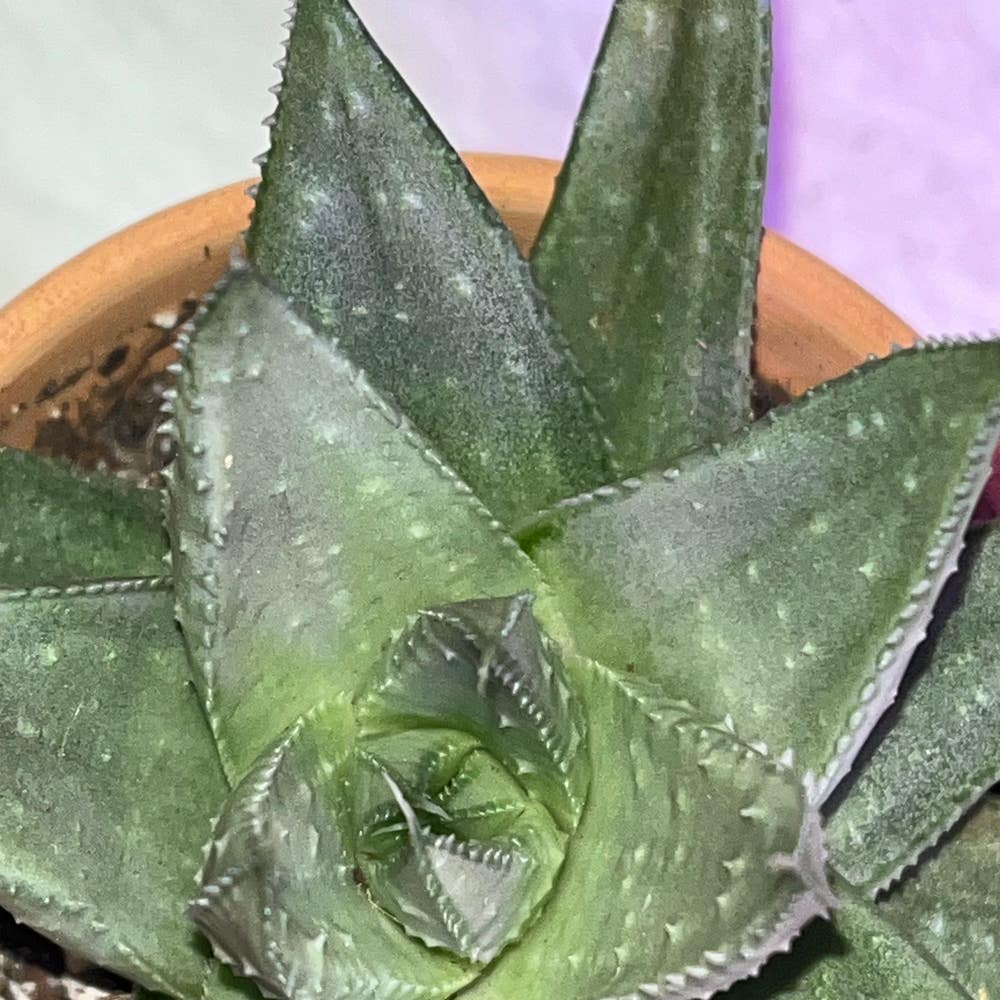
🏰 Overview of Cathedral Window Haworthia
Haworthia cymbiformis
By the Greg Editorial Team
Jan 09, 2025•11 min read
This article was created with the help of AI so we can cover more plants for you. May contain errors. See one? Report it here.
Elevate your home with the Cathedral Window Haworthia, a stunning, low-maintenance succulent that thrives on minimal care! 🌿
- 🌞 Cathedral Window Haworthia thrives in bright, indirect sunlight; avoid harsh direct light.
- 💧 Water every 2-3 weeks, allowing soil to dry completely to prevent root rot.
- 🌱 Low maintenance and drought-resistant, this succulent is perfect for small spaces.
How to Grow
Choosing a Location 🌞
To thrive, Cathedral Window Haworthia needs bright, indirect sunlight. Direct harsh sunlight can scorch its leaves, so finding a well-ventilated area with good airflow is crucial, whether indoors or outdoors.
Soil Preparation 🌱
Use a well-draining cactus or succulent mix for optimal growth. Aim for a soil pH between 6.0 and 7.0, which is slightly acidic to neutral.
Planting Techniques 🌿
Select pots with drainage holes, ideally 4-6 inches in diameter for young plants. When planting, ensure the base of the rosette is level with the soil surface to promote healthy growth.
Watering Guidelines 💧
Allow the soil to dry out completely between waterings, typically every 2-3 weeks. Watch for signs of overwatering, such as yellowing leaves or a mushy texture.
Fertilizing Tips 🌼
During the growing season in spring and summer, use a diluted, balanced fertilizer every 4-6 weeks. Avoid fertilizing during dormancy in fall and winter to prevent stress on the plant.
Pruning Methods ✂️
Regularly remove dead or damaged leaves at the base to maintain plant health. The best time to prune is during the growing season when the plant is most active.
Ongoing Care 🕵️♂️
Keep an eye out for pests and diseases, checking your plant regularly. Adjust your watering and fertilization routines based on seasonal changes to ensure your Haworthia remains healthy and vibrant.
With these guidelines, you'll be well on your way to cultivating a thriving Cathedral Window Haworthia!
Propagation
🌿 Leaf Cuttings
To propagate your Cathedral Window Haworthia, start by selecting healthy, mature leaves. Look for plump leaves that are free from damage, as these will yield the best results.
After selecting the leaves, allow them to callous for 1-2 days. This step is crucial as it helps prevent rot when you plant them.
🌱 Offsets Division
Offsets are small rosettes that grow at the base of the parent plant. Identifying these offsets is key to successful propagation.
Once you've spotted them, gently twist or cut the offsets from the main plant. Be careful not to damage the parent plant during this process.
🌼 Seed Propagation
If you prefer to propagate through seeds, start by collecting them from mature flowers. This method can be rewarding but requires patience.
For germination, use a well-draining mix and maintain humidity. This environment will help ensure that your seeds sprout successfully.
With these propagation techniques, you can easily expand your collection of Cathedral Window Haworthia. Whether you choose leaf cuttings, offsets, or seeds, each method offers a unique way to enjoy this beautiful succulent. Next, let’s explore the lifecycle of this fascinating plant.
Lifecycle
Lifecycle Stages 🌱
The Cathedral Window Haworthia is a perennial succulent, thriving for several years with proper care. Its lifecycle is marked by distinct stages, each contributing to its growth and beauty.
Germination Process 🌱
Seeds of this succulent typically germinate in 2-4 weeks under optimal conditions. Providing the right environment is crucial for successful sprouting.
Seedling Stage 🌱
During the seedling stage, you'll notice small rosettes with developing leaves. This phase is vital as the plant establishes its foundation for future growth.
Vegetative Growth 🌱
The vegetative growth period occurs in spring and summer, when the plant actively grows. This is the time to ensure it receives adequate light and care.
Flowering and Seed Production 🌱
Flowering happens in late summer, producing small, tubular flowers. This not only adds to the plant's charm but also allows for potential seed production.
Lifespan and Growth Timeline 🌱
It takes approximately 2-3 years for the Cathedral Window Haworthia to reach maturity. With a moderate growth rate, it can expand to about 4-6 inches in diameter, making it a lovely addition to any collection.
As you nurture your Cathedral Window Haworthia, understanding its lifecycle will enhance your gardening experience. Next, let’s explore the size of this unique succulent and what influences its growth.
Size
Mature Height and Spread 🌱
The Cathedral Window Haworthia typically reaches a mature height of 4-6 inches and spans 6-8 inches in diameter. This compact size makes it an ideal choice for small spaces or as part of a succulent collection.
Growth Rate and Size Variability 📈
This succulent exhibits a moderate growth rate, which can vary based on environmental conditions. Factors such as light, water, and soil quality play a significant role in determining how quickly your plant will thrive.
Factors Affecting Size 📏
Impact of Light
Providing adequate light is crucial for achieving denser growth. More light generally encourages the plant to grow fuller and more robust.
Watering Practices
Conversely, overwatering can stunt growth and lead to other issues. It's essential to find the right balance to ensure your Haworthia flourishes without becoming waterlogged.
Understanding these size dynamics will help you cultivate a healthy Cathedral Window Haworthia. With the right care, you can enjoy its unique beauty for years to come.
Roots
Characteristics of the Root System 🌱
The Cathedral Window Haworthia features a fibrous root system that is both shallow and wide-spreading. This structure allows the plant to efficiently absorb moisture and nutrients from the soil.
Root Depth and Spread 📏
Typically, the roots extend about 4-6 inches deep. This shallow depth makes them susceptible to issues like root rot if overwatered.
Common Root-Related Issues ⚠️
Root rot is a significant concern for this succulent, primarily caused by overwatering. Symptoms include mushy roots that can lead to the plant's decline if not addressed promptly.
Identifying Healthy vs. Unhealthy Roots 🔍
Healthy roots are firm and exhibit a white or light tan color. In contrast, unhealthy roots appear dark, mushy, or may even emit a foul smell.
Recognizing Rootbound Plants 🌿
If you notice roots growing out of the drainage holes, your plant may be rootbound. The solution is simple: repot it into a larger container with fresh soil to give it room to thrive.
Understanding the root system of your Cathedral Window Haworthia is crucial for its health. By monitoring root conditions and addressing any issues early, you can ensure your plant remains vibrant and flourishing.
Next, we will explore the benefits of growing this unique succulent, highlighting why it deserves a spot in your home or garden.
Benefits
Top 5 Benefits 🌟
Cathedral Window Haworthia is a fantastic choice for plant enthusiasts, especially beginners. Here are the top five benefits that make this succulent a must-have.
Low Maintenance
This plant thrives on minimal care, making it perfect for those who might not have a green thumb. Just a little attention goes a long way!
Air Purification
Not only does it look good, but it also helps improve indoor air quality. It’s a natural air purifier, filtering out toxins while you enjoy its beauty.
Aesthetic Appeal
With its unique, striking appearance, Cathedral Window Haworthia enhances any decor. It adds a touch of elegance and charm to your living space.
Drought Resistance
This succulent is a champion of drought resistance. It thrives in low-water conditions, making it an eco-friendly choice that conserves resources.
Symbolism
Beyond its physical attributes, this plant symbolizes resilience and adaptability in various cultures. It’s a reminder of strength and perseverance, adding depth to your plant collection.
Incorporating Cathedral Window Haworthia into your home not only beautifies your space but also offers practical benefits. Next, let’s explore the best companion plants to pair with this stunning succulent.
Companion Plants
🌱 Concept of Companion Planting
Companion planting is all about creating a harmonious garden environment. It enhances diversity and can significantly improve pest management, making your gardening experience more enjoyable and productive.
🌼 Best Companion Plants
When it comes to Cathedral Window Haworthia, consider pairing it with other succulents like Echeveria and Sedum. These plants share similar care needs, ensuring a low-maintenance garden.
Additionally, incorporating pest-repellent plants like marigolds can help keep unwanted critters at bay. Their vibrant blooms not only add color but also serve a practical purpose.
🚫 Plants to Avoid
While planning your garden, steer clear of plants that require high moisture or heavy shade, such as ferns. These plants can compete for resources and create an unfavorable environment for your Haworthia.
By choosing the right companions, you can create a thriving garden that showcases the beauty of your Cathedral Window Haworthia while minimizing potential issues. Now that you have a grasp on companion planting, let’s explore the benefits of this unique succulent.
Toxicity to Humans
Safety for Humans 🌿
Cathedral Window Haworthia is generally safe for humans. It is not listed as toxic by major poison control centers, making it a great choice for homes.
However, there are some potential minor issues to be aware of. If consumed in large quantities, it may cause mild skin irritation or digestive discomfort.
Caution ⚠️
While the risks are low, it's always wise to exercise caution. If you experience any unusual symptoms after contact or consumption, consult a medical professional for guidance.
This plant can be a beautiful addition to your space without the worry of toxicity, allowing you to enjoy its unique charm with peace of mind.
Toxicity to Dogs
Safety for Dogs 🐶
Cathedral Window Haworthia is generally safe for dogs. Major pet poison control centers do not list it as toxic.
Potential Minor Issues ⚠️
While it’s not harmful, consuming large quantities can lead to mild gastrointestinal upset.
Tips for Pet Owners 🐾
To keep your furry friend safe, place the plant out of reach. Always monitor your dog's behavior around the plant to ensure they don’t nibble on it.
This knowledge allows you to enjoy your beautiful succulent without worrying about your dog's health. Next, let’s explore how this plant interacts with our feline friends.
Toxicity to Cats
Safety for Cats 🐱
Cat owners can breathe a sigh of relief—Cathedral Window Haworthia is not listed as toxic by major pet poison control centers. This means your feline friends can safely coexist with this charming succulent.
Potential Minor Issues ⚠️
While generally safe, consuming large quantities of the plant may lead to mild gastrointestinal upset in cats. It's always wise to keep an eye on your pet's behavior around the plant to ensure they don't overindulge.
Tips for Care 🌿
To prevent any potential issues, consider placing the plant out of reach. Monitoring your cat's interactions with the plant can help you catch any unusual behavior early on.
With these precautions, you can enjoy the beauty of Cathedral Window Haworthia without worrying about your furry companions. Now, let’s explore some common problems that may arise with this resilient plant.
Problems
Common Problems 🌱
Caring for your Cathedral Window Haworthia can be rewarding, but it's not without its challenges. Here are some common issues you might encounter:
- Incorrect Watering: Overwatering leads to yellowing leaves, while underwatering causes shriveling.
- Incorrect Light Conditions: Too much direct sunlight can scorch the leaves, damaging their vibrant appearance.
- Incorrect Temperature: Cold drafts can stress the plant, affecting its overall health.
- Diseases: Fungal issues, like powdery mildew, can arise; good airflow is key to prevention.
- Root Problems: Root rot often results from poor drainage; always ensure your pots have drainage holes.
Identifying Symptoms and Causes 🔍
Recognizing symptoms early is crucial for effective intervention. Keep an eye out for changes in your plant's appearance, as these can signal underlying issues.
Solutions for Common Issues 🛠️
Adjusting your care routine can resolve many problems. Modify watering and light conditions based on the symptoms you observe, ensuring your Cathedral Window Haworthia thrives.
With a little attention and care, you can keep your plant healthy and vibrant, ready to bring beauty to your space.
Bugs
Potential Pest Issues 🐜
While Cathedral Window Haworthia is generally pest-resistant, it can still fall victim to a few unwelcome guests. Keeping an eye out for pests is essential to maintaining the health of your plant.
Identification and Damage 🔍
Spider Mites: These tiny pests can be tricky to spot. Look for fine webbing and stippled leaves, which indicate their presence.
Mealybugs: Recognizable by their cotton-like masses on leaves, mealybugs can sap the plant's vitality. Their sticky residue can also attract other pests.
Effective Treatment Options 💪
If you notice any signs of infestation, don’t panic! Neem oil or insecticidal soap can be effective treatments. Just apply them according to the instructions, and your Cathedral Window Haworthia should bounce back in no time.
By staying vigilant and addressing pest issues promptly, you can ensure your succulent remains healthy and vibrant. Next, let’s explore what animals might be tempted to nibble on your plant.
What Eats
Common Animals 🦌
Cathedral Window Haworthia can attract a few curious critters. Deer, rabbits, and squirrels are known to nibble on their succulent leaves, especially when other food sources are scarce.
Signs of Animal Presence 🐾
Keep an eye out for signs that these animals have been visiting your plants. Chewed leaves, droppings, or tracks near the plant can indicate their presence and potential munching activities.
Methods for Deterring Animals 🚫
To protect your beloved Haworthia, consider using a few deterrent strategies. Chemical repellents can help keep animals at bay, while physical barriers like fencing can provide a more permanent solution to safeguard your plants.
By taking these precautions, you can enjoy your Cathedral Window Haworthia without the worry of it becoming a snack for local wildlife.
⚠️ Safety First
This content is for general information and may contain errors, omissions, or outdated details. It is not medical, veterinary advice, or an endorsement of therapeutic claims.
Always consult a qualified healthcare professional before using any plant as food, medicine, or supplement.
Never eat any plant (or feed one to pets) without confirming its identity with at least two trusted sources.
If you suspect poisoning, call Poison Control (800) 222-1222, the Pet Poison Helpline (800) 213-6680, or your local emergency service immediately.
Spotted an error? Please report it here.
Unlock the beauty of your Cathedral Window Haworthia with Greg's tailored care tips and reminders, ensuring your plant thrives effortlessly! 🌿 Flourish with Greg!